Author: artoronto

  • Almagul Menlibayeva at Aga Khan Museum

    Menlibayeva’s photographic series, Nomadized Suprematism, shows studies of decolonial and nomadic aesthetics placed within the dynamic context of post-socialist, contemporary Kazakhstan. Born in 1969, in Almaty, Kazakhstan with Kazakh-German roots, Menlibayeva’s work analyzes the historical shifts between cultural establishments and the sacrifice for survival in post-socialist Central Asia, inviting us to take a different look at the Silk Roads and showing how the changes touched its ancient people. With education in the Soviet avant-garde school of Futurism, Menlibayeva draws inspiration from enduring mythologies and geopolitics and builds a bridge between past and present. This exhibition brings awareness about the post-Soviet experiences of the native Kazakh people, who are re-establishing their identity after 80 years of Soviet domination and cultural genocide.
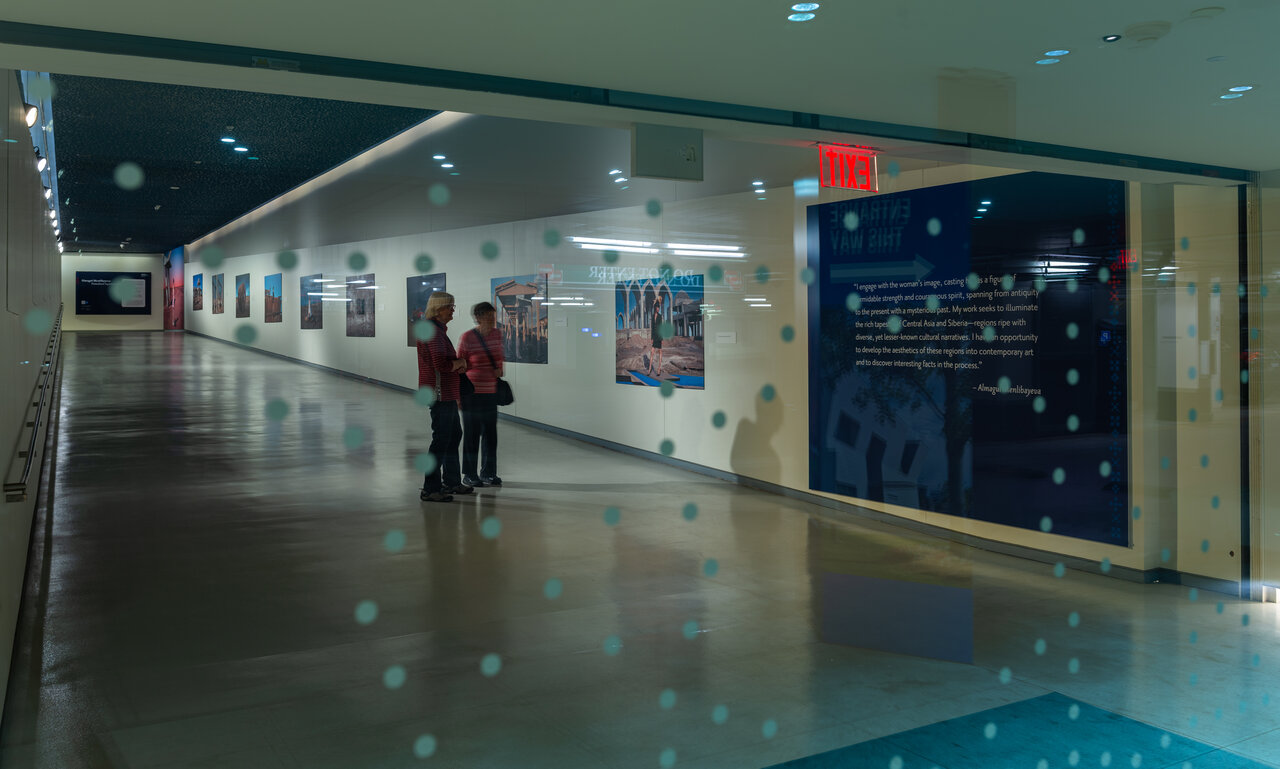
    Installation view of Almagul Menlibayeva, Nomadized Suprematism at the Aga Khan Museum

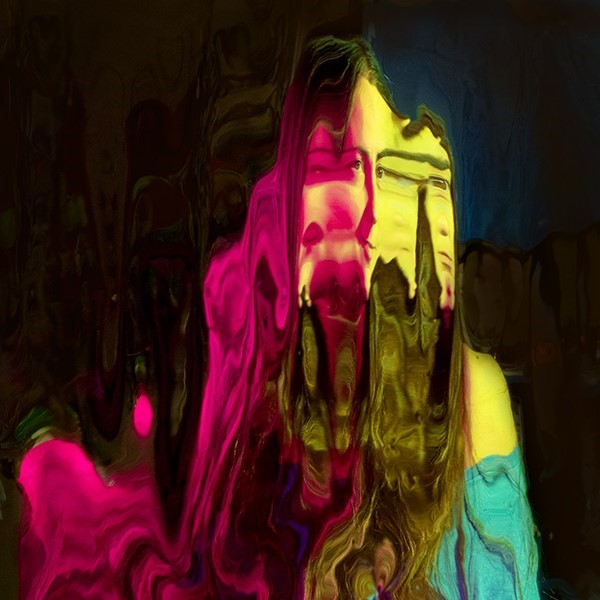
    Menlibayeva specializes in site-specific, multi-channel video installations, immersive digital media, photography, and contemporary textile art; integrating all into video installations. By expanding artistic horizons using AI technology, this masterpiece of an exhibition critically examines Soviet modernity and post-socialist Central Asian transformations and offers decolonial perspectives on gender, environmental issues, and Eurasian mythologies.
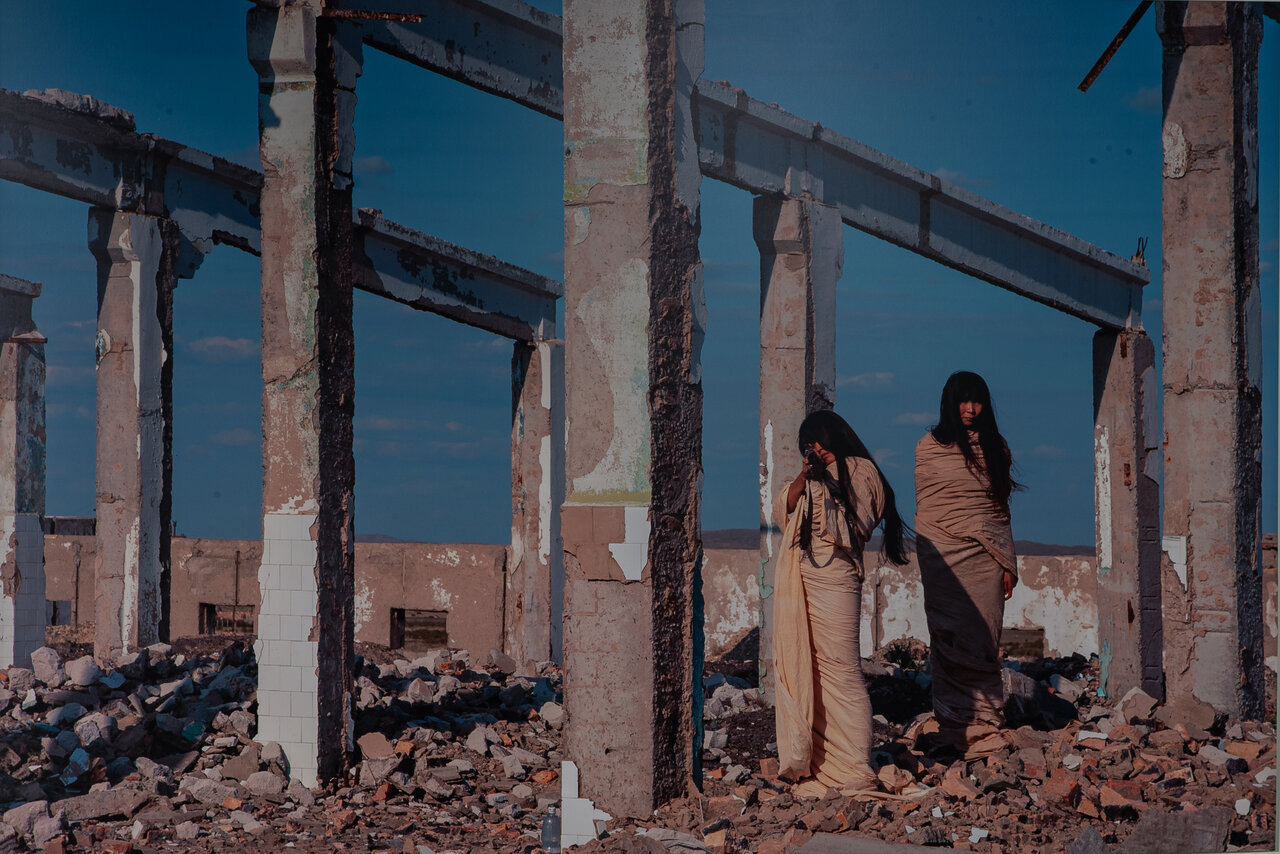
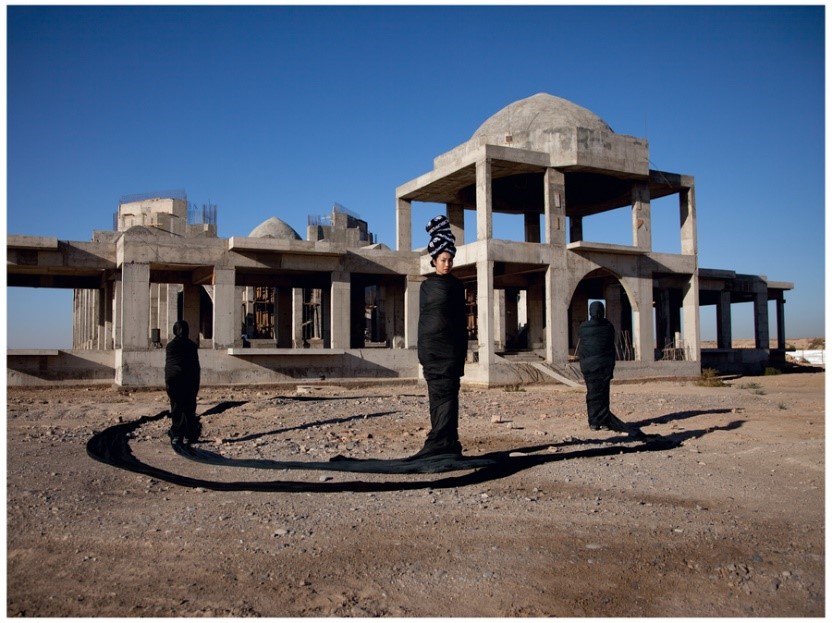
    Almagul Menlibayeva, I’m waiting for you, 2010.

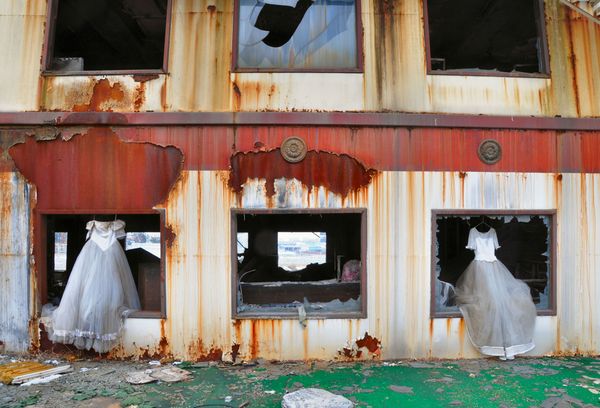
    The linen-wrapped figures speak to stories of preservation and rebirth. The linen is worn out, like the ruins in the background—a reminder of the impact of colonialism and the oppression of ancient practices. The artist’s work deepens with a personal perspective and lets the viewer see that the women depicted in this series are symbols in search of a new sense of humanity—responding with new identities to the dystopian rise after the collapse of modern utopian ideals. The artist uses close friends and family members (women) as models. These photographs radiate feelings of tribute to the remaining figures of the ancestral tree of today’s Kazakhstan and to the artist’s relations.
    Almagul Menlibayeva, Global Entry, 2010.

    “The Bus Stop (Konehchnaya)” documents a former Soviet nuclear test site, where, between 1949 and 1989, 456 explosions (underground and atmospheric) were carried out. The entire area of 16,000 square kilometres served as the scientific center of the city and was usually indicated on maps as “Final” or “End”.
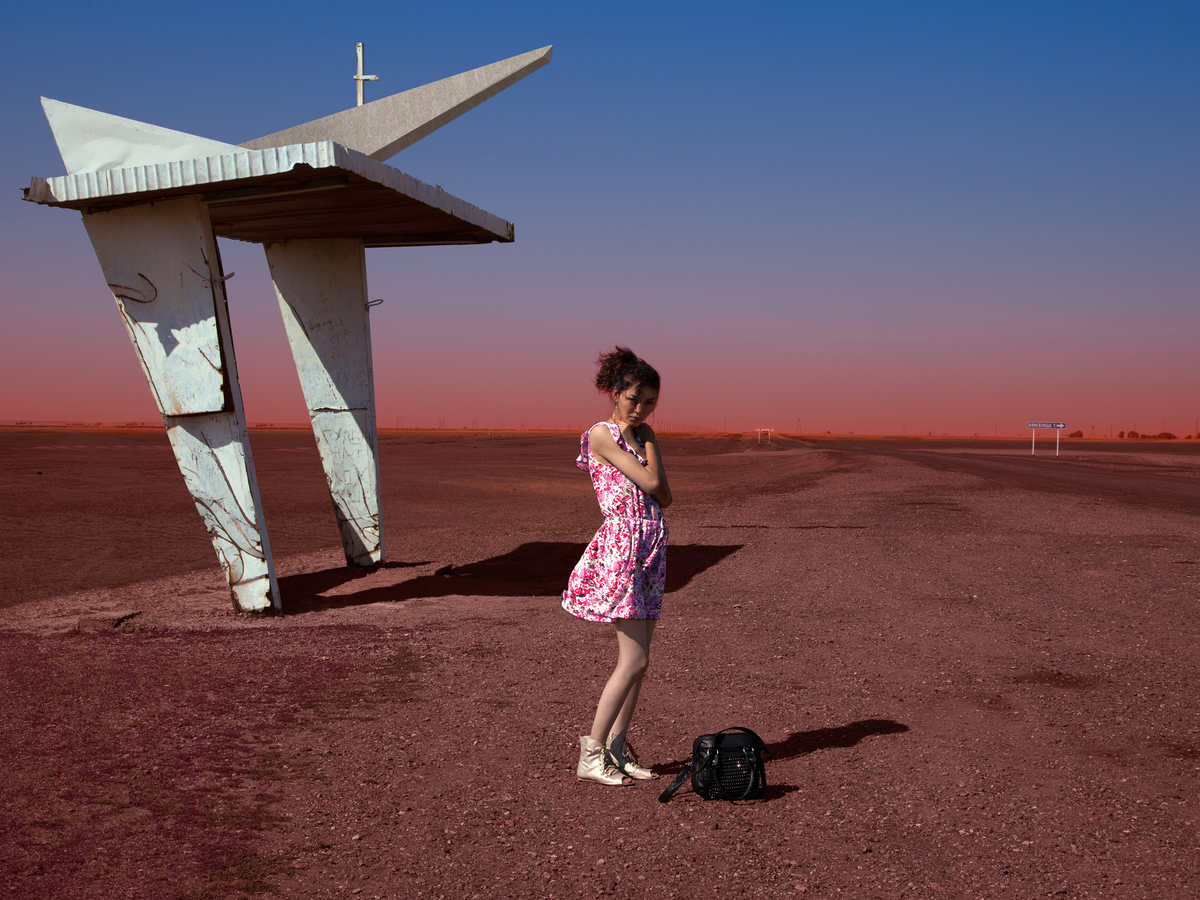
    Almagul Menlibayeva, The Bus Stop (Konehchnaya) (End), 2018

    Another work that demonstrates this ecological disaster is “Malevich Tank”, 2011, where a piece of an industrial gas tank, with a soviet cartoon on it, was left untouched in this location, almost as if it had set its roots into the ground, becoming one with the land where it was once foreign.
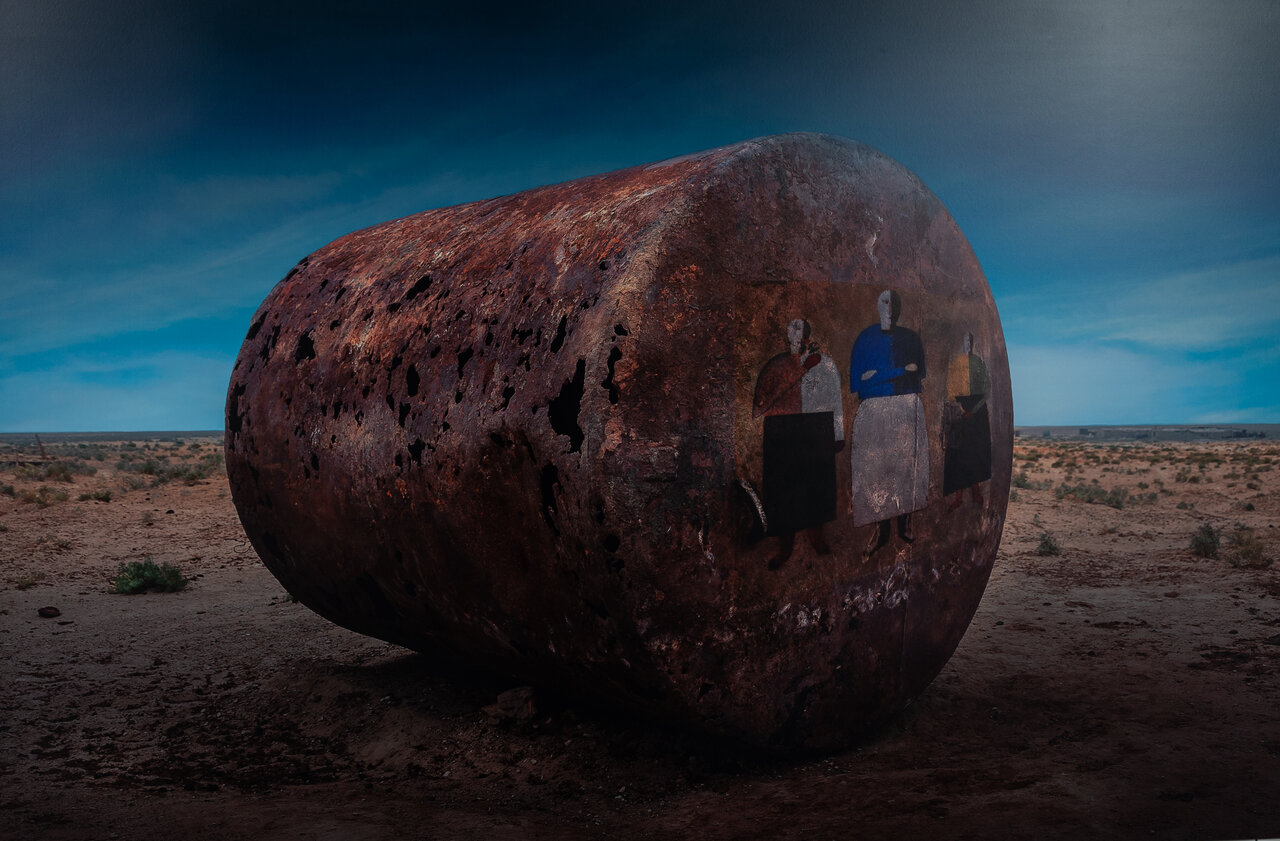
    Almagul Menlibayeva, Malevich Tank, 2011

    Almagul Menlibayeva’s work combines narrative construction and socio-political commentary, putting women at the centre for their role of weaving heritage and culture with social and political change.
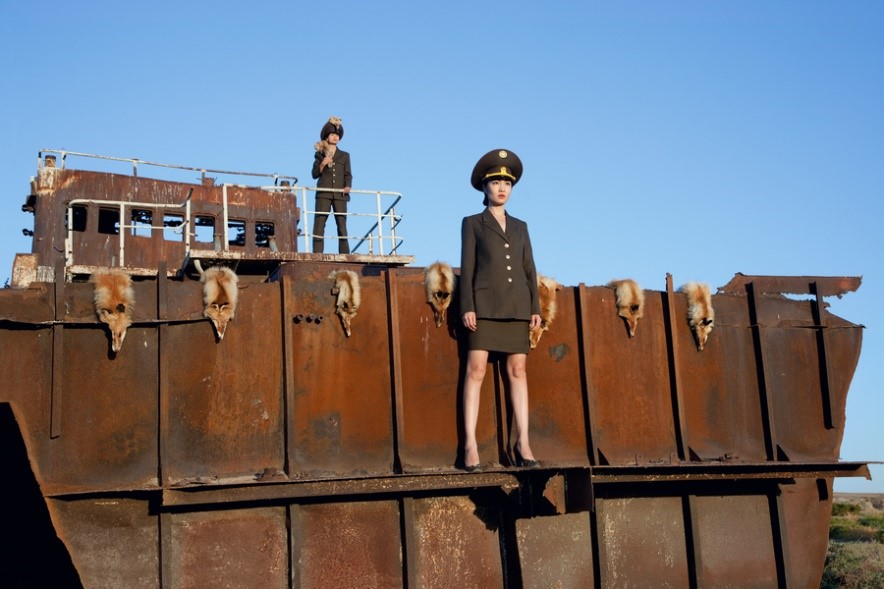
    Almagul Menlibayeva, Transoxiana Dreams, 2011

    Since the collapse of Soviet rule, many mosques were never completed or removed. This is an interesting transition because it is another short-lived time that has marked the land and the life of people living there for generations. Perhaps the artist is trying to tell us that some monuments are meant to stay to show us what a decolonial process might look like even after empires fall. In other words, it doesn’t rewind time and take everything back to its original place but rather gives a perspective on how to move forward to rebuild with what has been left behind.  
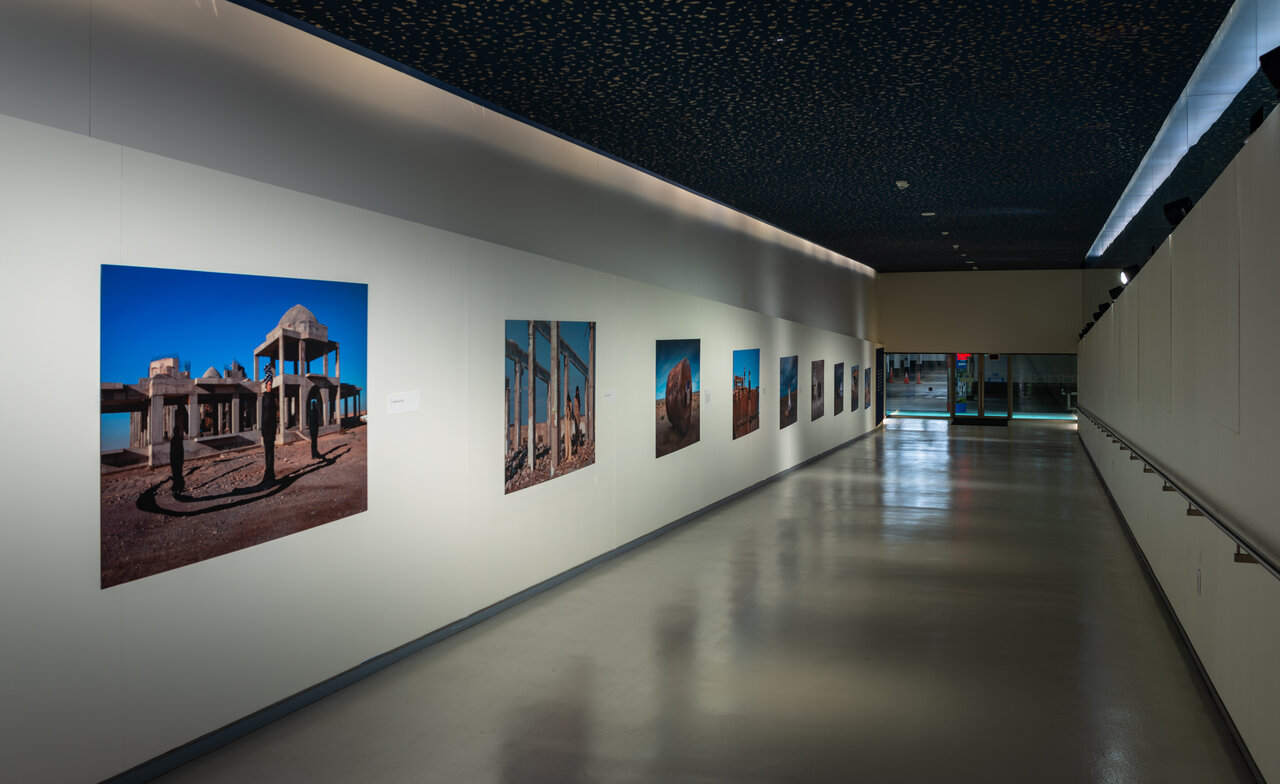
    Installation view of Almagul Menlibayeva, Nomadized Suprematism at the Aga Khan Museum

    Nomadized Suprematism serves as a voice, that empowers a cultural exodus that makes us question who we are and where are we going.

    Polyna Alexseev

    Images are: Aga Khan Museum Exhibition Contact Photography Festival Park Tunnel. Photo: Aly Manji.

    *Exhibition information: Almagul Menlibayeva, Nomadized Suprematism, May 1 – June 12, 2024, Almagul Menlibayeva, My Silk Road to You is open till September 3, 2024, Aga Khan Museum, 77 Wynford Drive, Toronto. Museum hours: Tue & Thu – Sun 10:30 am – 5:30 pm, Wed 10 am – 8 pm.

    The exhibitions are part of CONTACT Photography Festival.
  • Finn O’Hara, Band on the Run at Donna’s

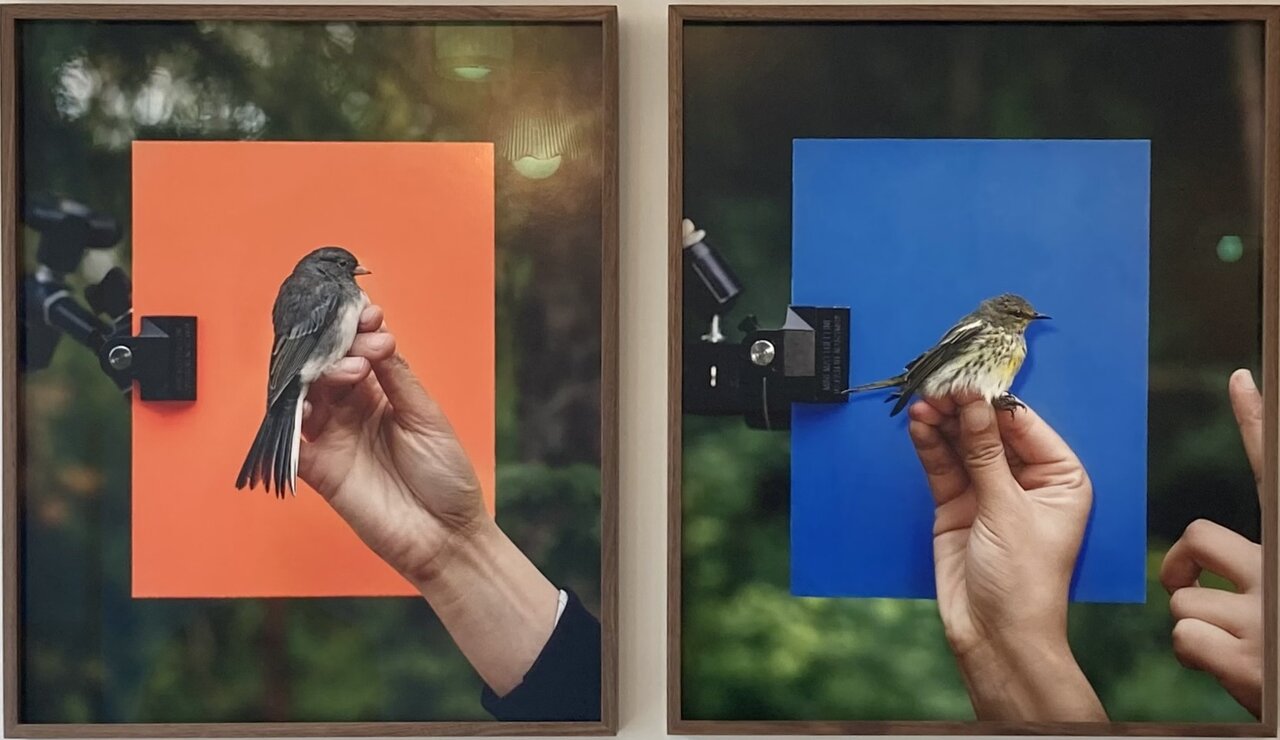
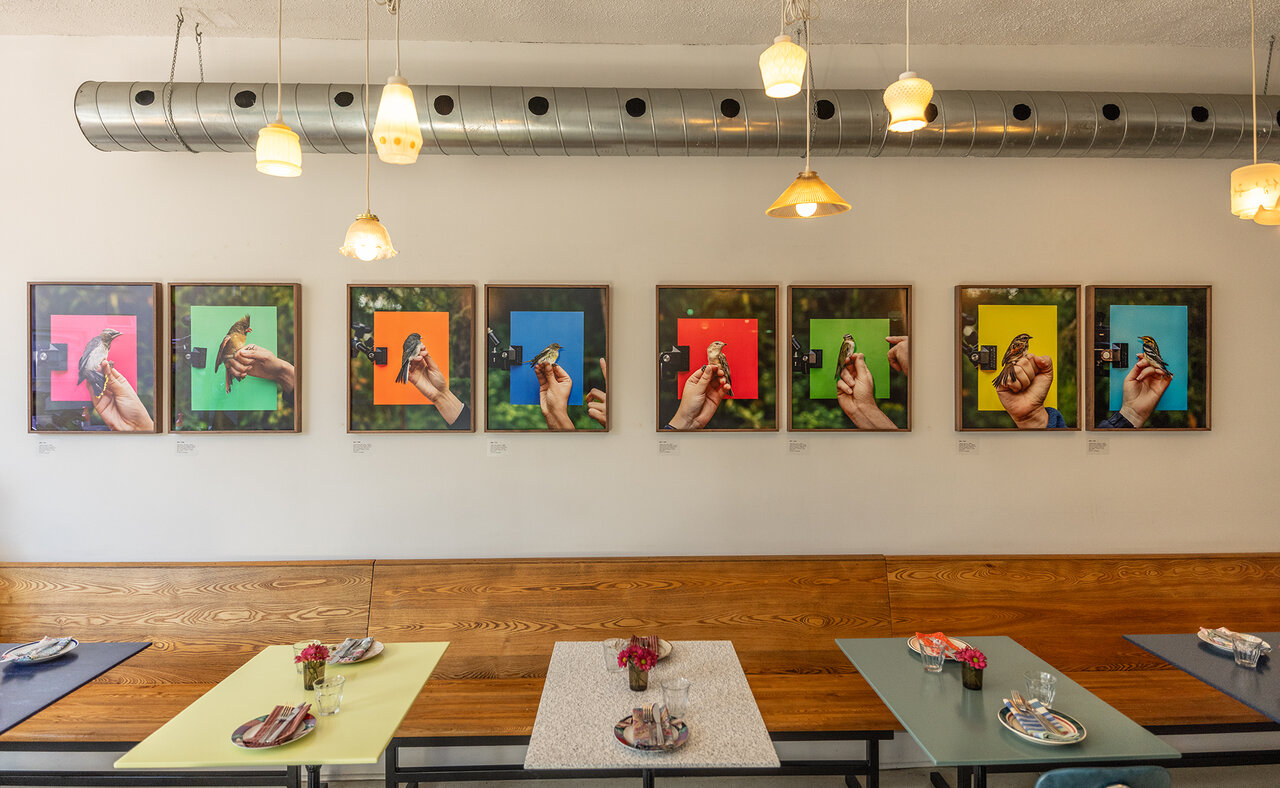
    There’s something about having to book a reservation at a restaurant that builds up the anticipation. What makes the space so special that I have to let them know I want to be there? To know that it is so frequented that they may not have space for you. It encourages you to scope it out, take a look at the menu to try and figure out what makes it special. There’s also something similar to viewing art: scoping out exhibitions, seeing which catches your eye, purchasing tickets before they are sold out, and making plans to visit the venue. The planning and the research can build up the excitement, and you can only hope that your expectations are met, or better, exceeded. Thankfully, the latter was the case when visiting Finn O’Hara’s “Band on the Run”, part of the programming of CONTACT Photography Festival 2024, on view at Donna’s. The exhibition playfully explores the process of bird banding and documents the subjects in dynamic poses.

    Exhibition view of Finn O’Hara, Band on the Run at Donna’s. Courtesy of the artist.

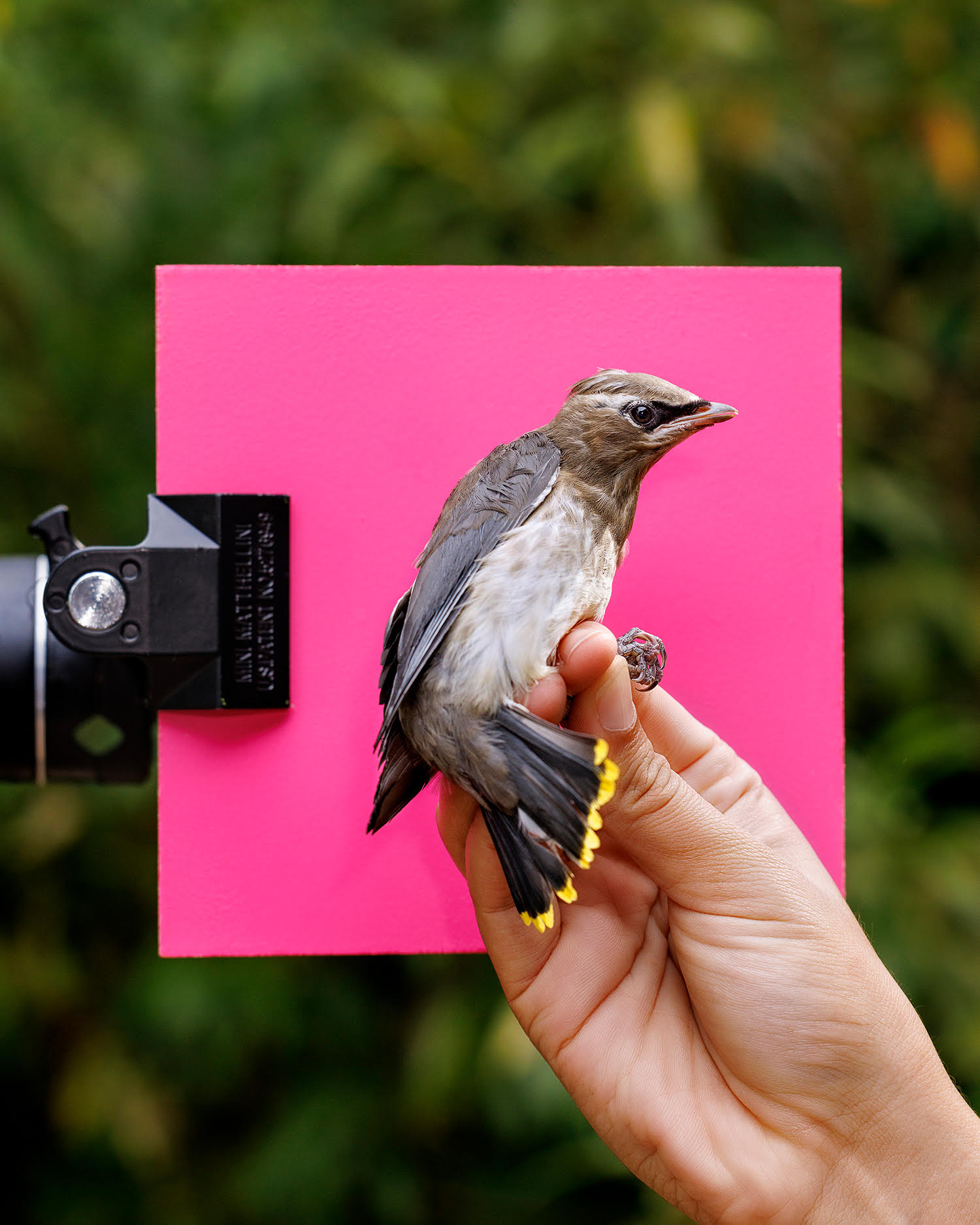
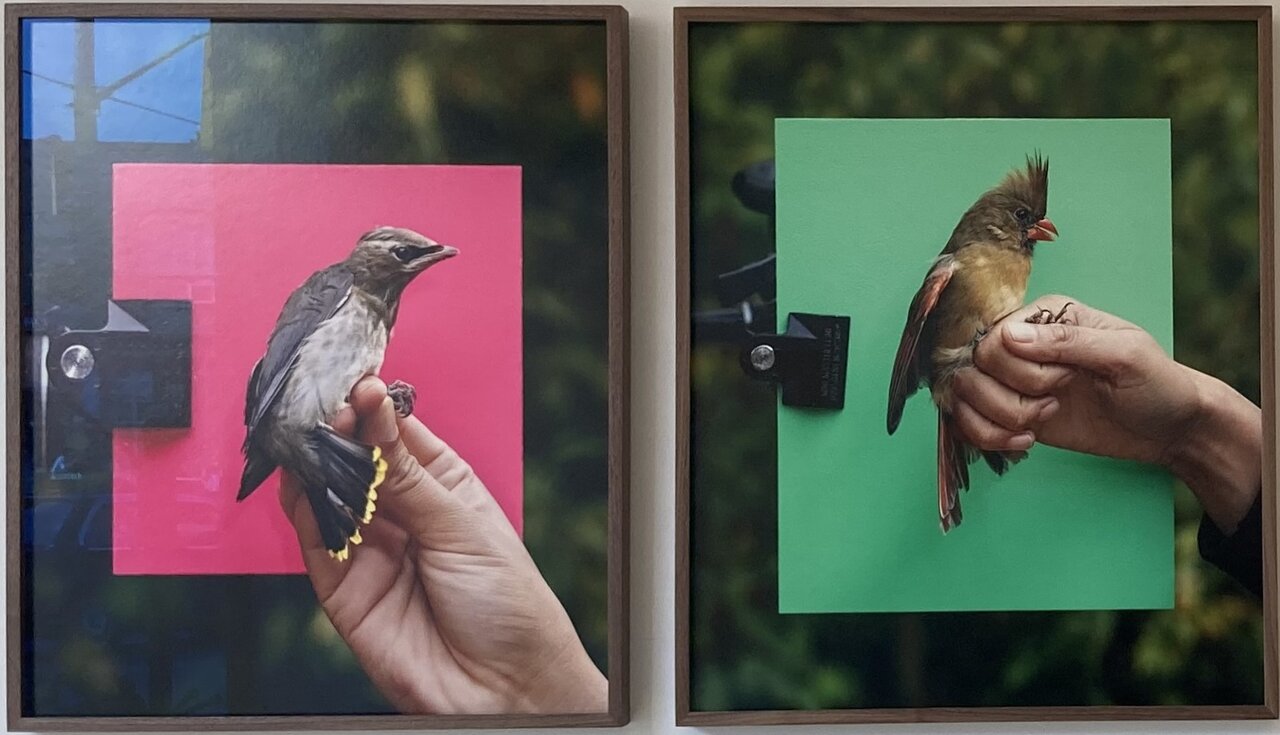
    To ensure I had a chance to view O’Hara’s work at Donna’s I booked a table for two on a Saturday evening since it’s a restaurant, not a gallery. Thankfully we made it on time and immediately upon entering the venue “Band on the Run” is very  visible, spanning the wall above an extended bench. The sun shone in through the bay window adjacent to the wall in which “Band on the Run” is installed. The space near the window holds an abundance of plants, bringing nature into the field of vision with the series of bird portraits at the centre, and Donna’s kitchen to the left. I had entered during a brief ebb in patrons and had time to familiarize myself with the immediate works of CEWA + LULI (2023) and NOCA + ELGR (2023), a Cedar Waxwing and Northern Cardinal, respectively.

    Finn O’Hara, CEWA + LULI (2023) and NOCA + ELGR (2023).

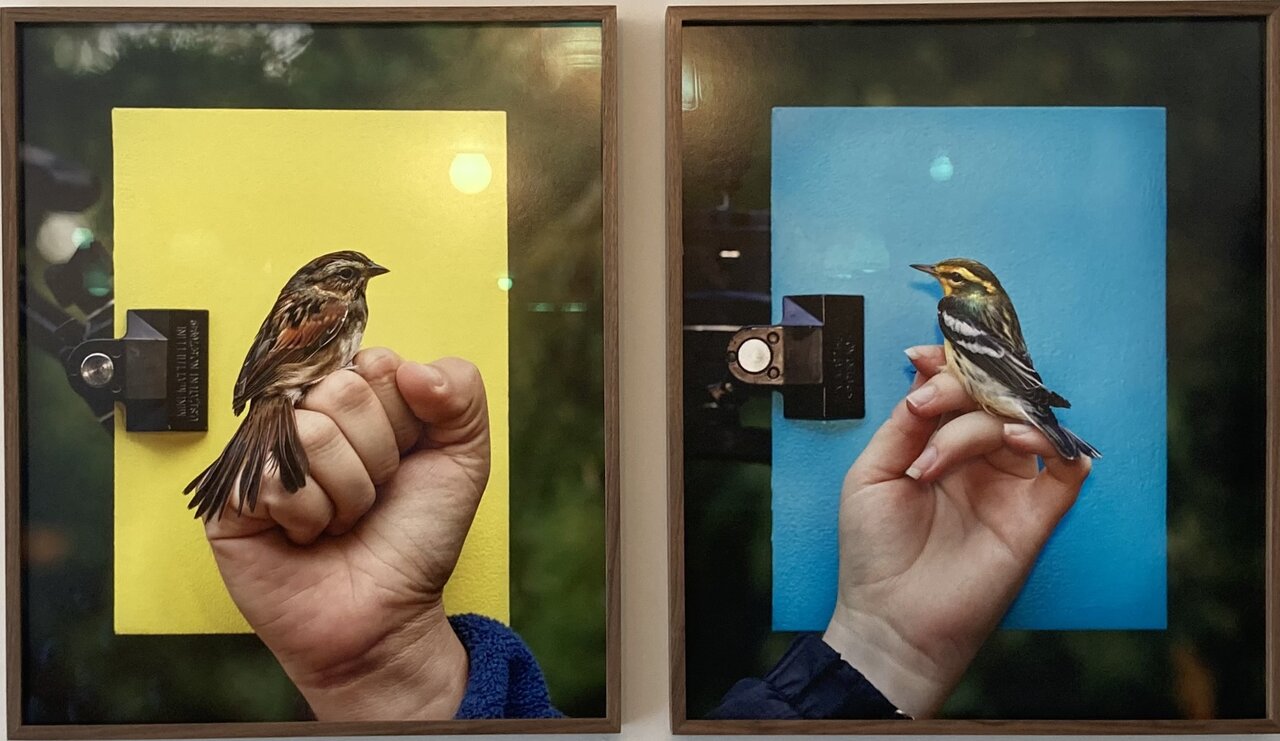
    Soon the band of birds had an audience and I was in the front row. The subject birds meet  our gaze as we’re the direction they face. Not often are humans the focus of a bird’s serenade. We are just people passing. While the birds are not photographed performing their songs, the photographs do capture their static form. This is more of an album cover than a live session. This is not the case of the early bird gets the worm. Here, the bird gets the cover, it’s a star. The subjects each pose on their own cover, but not necessarily that of National Geographic. The personality of each bird shines through beyond the setting of its natural habitat, through the vivid backgrounds and subtle positioning to emphasize certain features. For example, the tufts of the Cardinal appear as a rock star haircut, reminiscent of punk scenes. Then further along the series is a Blackburnian Warbler in BLBW + ELZO (2023), taking on the reticent energy of Thom Yorke from 90’s Radiohead.

    Finn O’Hara, SWSP + MAFU (2023) and BLBW + ELZO (2023).

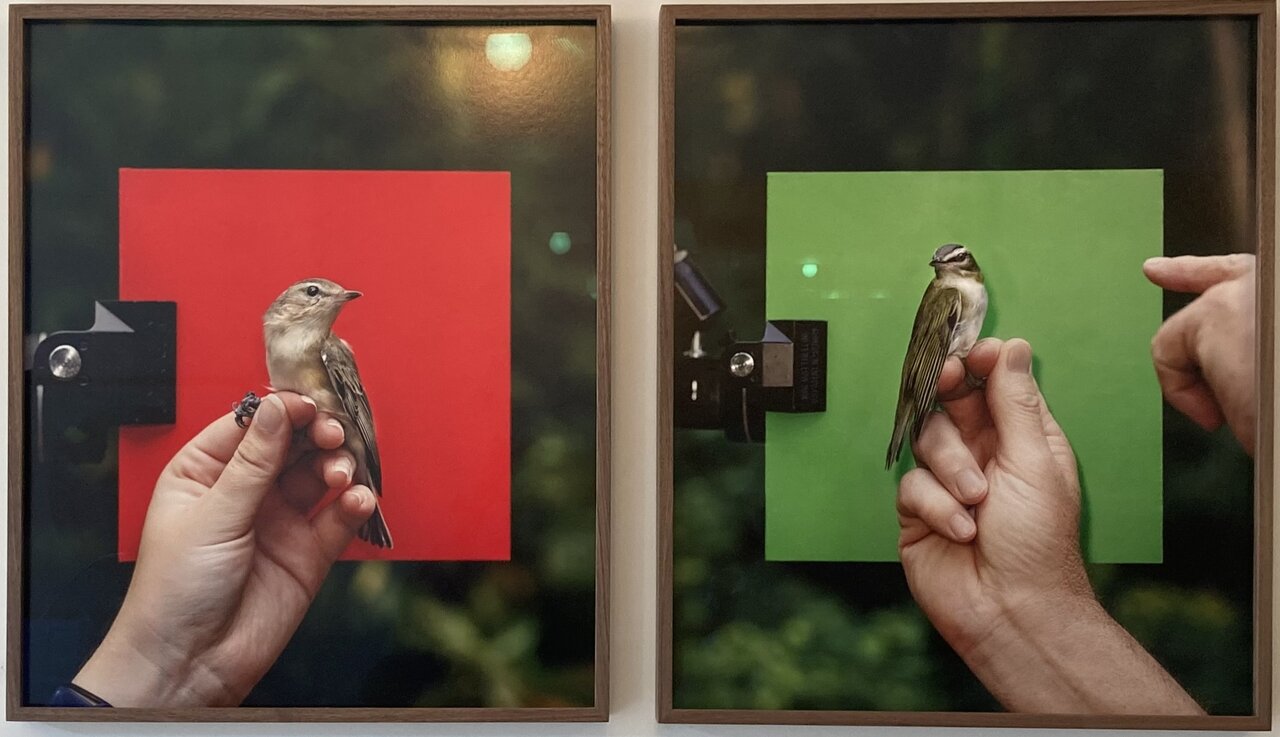
    The series is comprised of 8 photographs, each with a bird as the primary subject held in place by a human hand, the latter varying in position: a pinch, a fist, a grasp accompanied by a stern point. The photographs have been installed in pairs, with a larger gap in space between each set. There is an array of background colour blocks, one for each portrait: neon pink, sea-foam green, tangerine, cobalt, crimson, pear green, canary yellow, and cerulean. The selection of colours is lively and works with the features of the subject. For example, the cadmium yellow tail feathers of the Cedar Waxwing in CEWA + LULI is paired with neon pink in a coordinated effort to attract interest. Meanwhile, the green of NOCA + ELGR forms a subtle contrast to the agape rust beak of the Northern Cardinal. The wooden frames complement the foliage that is consistent in the background of the series, nature being further emphasized by the plants within the space.

    Finn O’Hara, SCJU + ELGR (2023) and CMWA + LULI (2023).

    Presented with each portrait is a label noting the species of bird, such as CMWA + LULI (2023) with the title formed by Cape May Warbler and their human holder, Lucas Liu. O’Hara uses the first two letters of the species and the individual holding the bird in a combination for a title. The label also states the site, the Long Point Bird Conservatory, Old Cut Research Station in Port Rowan, Ontario. In this disclosure, viewers understand this site of learning is also one of performance. On that note, we understand birds as singers and in turn, as performers— something inherent to the species. The performance aspect can be perceived in their communication for food, travel, danger, mating, and in play. Witnessing the bird in this way prompts patrons to consider our perceptions of birds and how we project the performance aspect onto them, or whether we even consider them as being capable of composing their songs. Is it in their nature? Do we reduce their method of communication to a lesser version than those of humans? Or is it a case of different performers singing different songs?

    Finn O’Hara, WAVI + ELZO (2023) and REVI + RODU (2023).

    The exhibition also brings up important discussions related to bird banding. What have they learned from the subjects. What does migration look like to them? Where and how do they live? How can we further support their habitat? While O’Hara’s work is playful, it is also critical to consider the conservation component attached to the species depicted and our responsibility as humans to be good neighbours. In this way, O’Hara strikes a careful balance between playful and deliberate. The works featured in “Band on the Run” elevates the biographical-documenting nature inherent to photography and portraiture. O’Hara shifts away from the documentation of species as something sterile though scientific, instead imbuing personality through bright colours, dynamic poses, and titles that present the bird and hand holding it as stars performing together.

    Text and photo: Rashana Youtzy

    *Exhibition information: Finn O’Hara, Band on the Run, May 1 – 31, 2024, Donna’s, 827 Lansdowne Avenue, Toronto. Hours: Tuesday – Saturday 9 am – 10 pm.

  • Sage Szkabarnicki-Stuart at Rukaj Gallery

    In this multi-media solo exhibition, titled Home: Between Worlds, artist Sage Szkabarnicki-Stuart explores her heritage using contemporary elements and a fresh perspective. Through the practice of self-portraiture, Sage outlines her life of transition, tradition, and rituals through the eyes of her kin, particularly her grandparents. She focuses on their life in Ukraine and in rural Canada.

    Sage began to experiment with photography when she was 22, living in Montreal. But since then, like her grandparents, she made her own life-changing decision to move away from the city to a remote rural homestead, where she was able to experience what it is like to live in the countryside. While learning and unlearning habits of the past, Sage’s art takes this opportunity to document her present life resulting in a great leap in her work. A good example is “Centrist IV”, staged in a rural area, where she is sitting on a fence using things such as a blower for her hair, a farm dress and no shoes at all. Lately, she is creating images very different than she used to.

    Sage Szkabarnicki-Stuart, Centrist IV, 2024, archival pigment print & hand applied varnish, 48 x 35.75 in.

    Living in the city and now on a farm can really make a person contemplate past and present; so, Sage was able to build a new connection with her family’s past. She was mostly raised by her grandparents and this exhibition is a beautiful tribute to them.

    Sage Szkabarnicki-Stuart, Korovai, 2024, archival pigment print, 36 x 48 in.

    Sage’s work will take you by surprise because you will realize her hands-on process and traditional practices show how she cherishes her cultural traditions. Some of us do not believe in materialistic possessions and when we are displaced or forced to leave our homes and all we had behind, we still believe that wherever we go we can build a home again. As long as we treasure our ancestors and keep their teachings in our hearts, it does not matter what we carry in our bags. Sage shows how she’s done this in her work.

    Some of her photographs evoke memories of family gatherings and the sweet smell of crispy breads. Especially when she depicts Eastern European scenes, she poses women in her work to show her ties with her heritage. It is always important to remember the traditions of generations past, especially when facing displacement or immigration, so the new generations will remember their origins. In images like “Bread Burning,” Sage reflects heavily on family traditions, many of them revolving around food. Baking bread from scratch is a time consuming process. In this composition the artist depicts her successful and failed attempts at baking braided bread. Braided bread is a strong symbol in many religious traditions that connects and ties families together, regardless of where we are. These values hold strong like a braid. Bread is also part of rituals that involve blessing and it has magical properties as it is baked using fire that our mothers, and the women before them, lit. Flames keep us alive and enlighten our family history for generations to come.

    Sage Szkabarnicki-Stuart, Bread Burning, 2024, archival pigment print. 36 x 48 in.

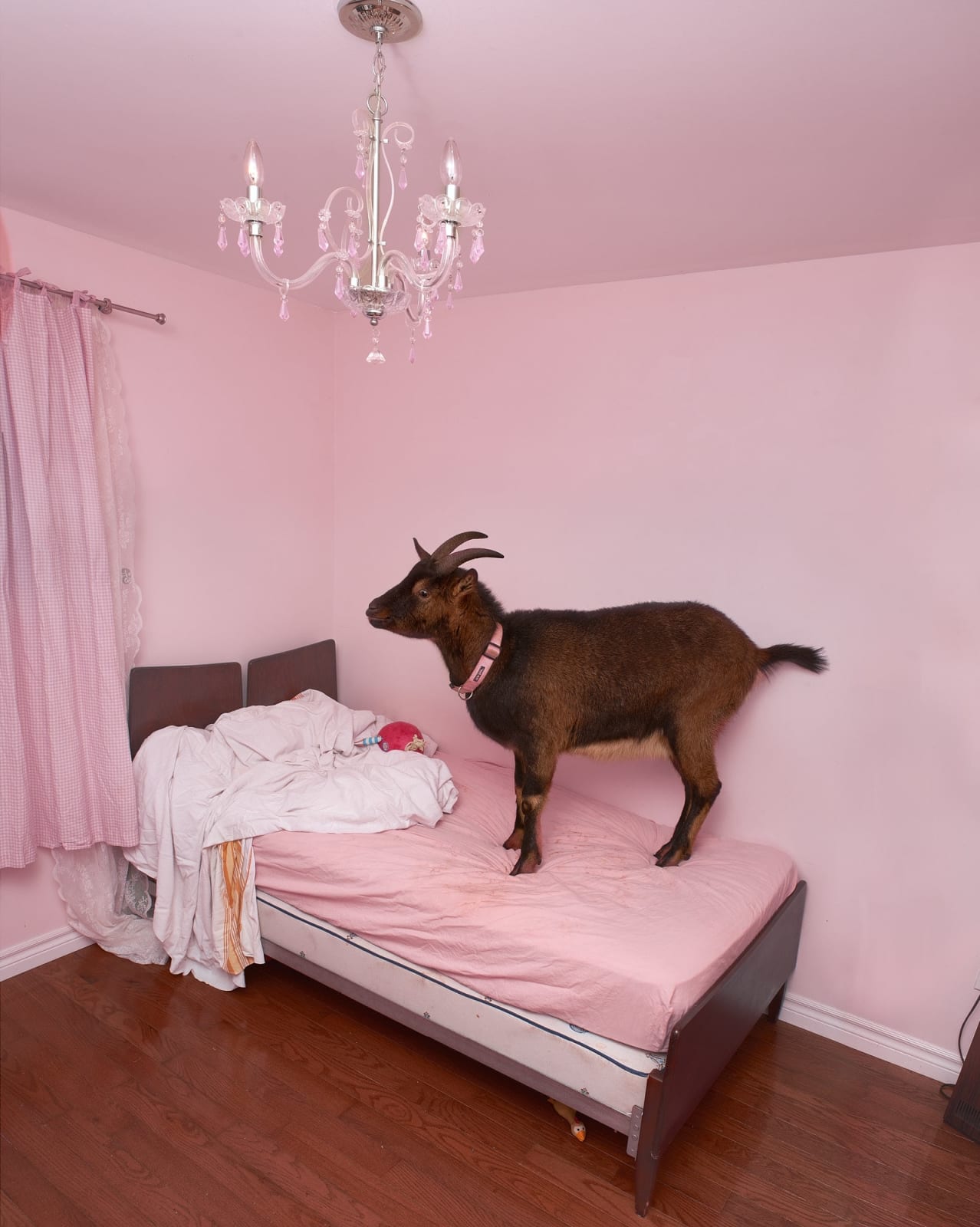
    In “Girls Room,”Sage tells a story of her childhood. When they moved into their new home, she was greeted by abandoned dairy goats roaming the house. One of them was wearing a pink collar, indicating that it was kept as a pet by the daughter of the previous owners. This photography portrays a piercing narrative of nostalgia. This sense of an abandoned place made the artist think about how hard it must be to get used to an empty house where there was once a home filled with life and laughter. And now that there are people living in the house again, how challenging it is for them to make themselves comfortable, even with all of those goats around and some of them not very friendly at first.

    Sage Szkabarnicki-Stuart, Girls Room, 2022, archival pigment print, 30 x 371/2 in

    Sage Szkabarnicki-Stuart’s exhibition “Home: Between Worlds” is a beautiful tour along memory lane and a thoughtful trip between past and present. It is a homage to people who had to leave their countries, but however painful it was, they found a new land and built a home there, carrying their cultural and religious traditions with them, so they are at HOME again.

    Polyna Alexseev

    Images are courtesy of Rukaj Gallery

    *Exhibition information: Home: Between Worlds, May 4 – 18, Rukaj Gallery, 384 Eglinton Ave W, Toronto. Gallery hours: Mon – Sat 10 am – 6 pm.

    The exhibition is part of CONTACT Photography Festival.
  • Jake Kimble at United Contemporary

    Just off bustling Dupont Street is United Contemporary Gallery, exhibiting Jake Kimble’s series “Make Yourself at Home”, an exciting feature in this year’s CONTACT Photography Festival. It’s a modest space with inviting and warm staff who introduce the artist with admiration and pride. This is Kimble’s first solo exhibition in Toronto.

    Jake Kimble, a burgeoning photographer and graduate of Vancouver’s Emily Carr University of Art + Design, has cleverly woven together a series of photographs, each section exploring the intricacies of the relationship to one’s home. While he lives in Vancouver now, he’s always felt the magnetic pull back to his childhood home in the Northwest Territories. After experiencing two life-altering tragedies – first, the 2023 wildfires that destroyed most of his community and then his brother tragically passed away in a car accident – he sought to process his grief and strive to heal through artistic expression. “Make Yourself at Home” is a show of resilience – of connection. In the artist’s note, Kimble says, “I’m finding myself in need of not only repairing but rebuilding,” and the bittersweet process is chronicled on the white walls of the gallery.

    Installation view of Jake Kimble, Make Yourself At Home, 2023, digital photo composites

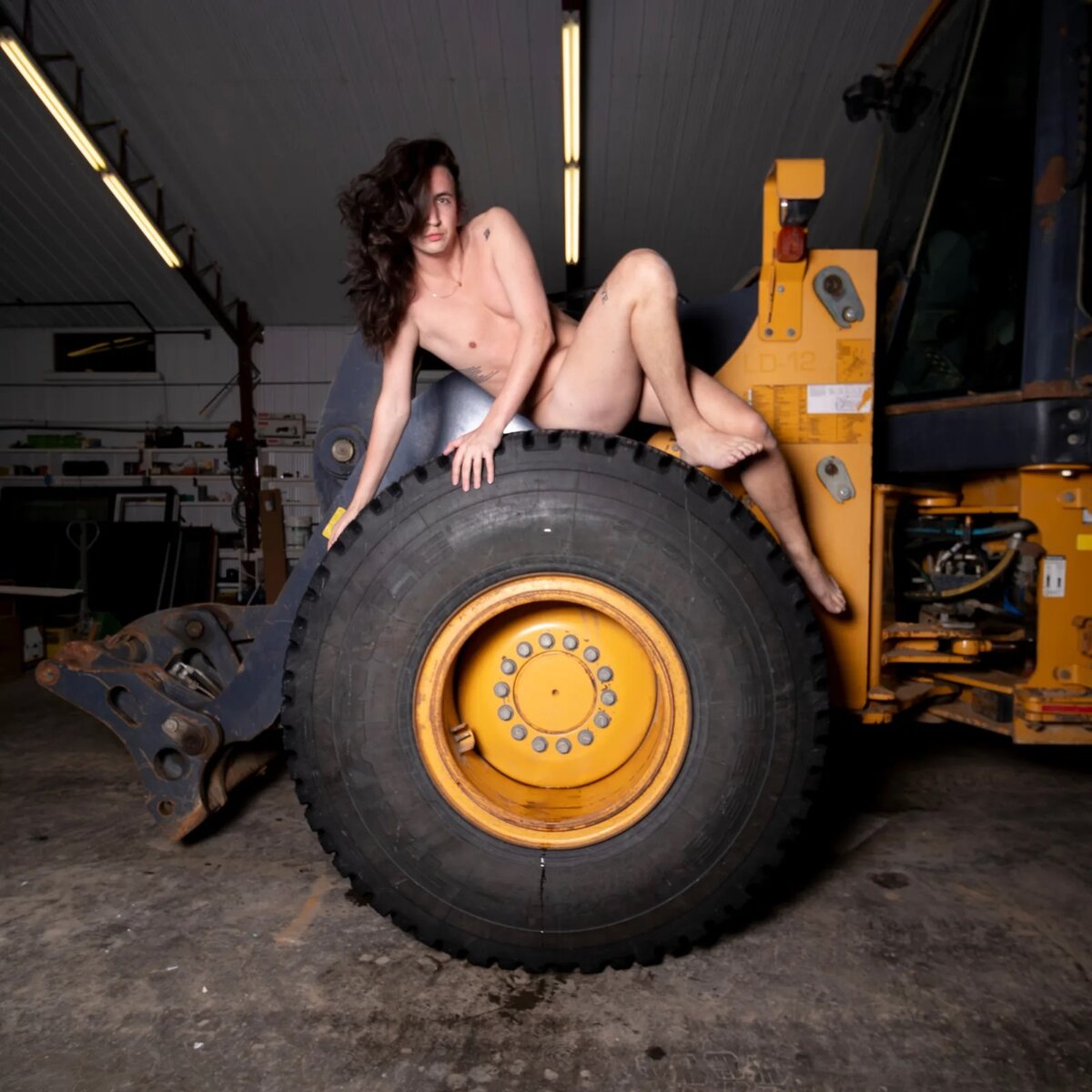
    It is a relatable feeling: losing someone or something close to us requires work to begin recovering. It can be a grievous process, heavy and daunting. Yet Kimble embraces the weight with humour, employing his ‘funny bone’ in his work to add levity. Take, for instance, Heavy Operator Equipment (H.O.E.), which features a nude Kimble posing on a large tractor wheel. The tongue-in-cheek title speaks to his humour, and the image speaks to themes of contrast and unity. The hard, unyielding metal and solid rubber juxtaposed with the soft and lithe posture of Kimble’s body should not work as well as it does. Yet somehow, despite the duality, the tractor and man are unified – they are as one, both creatures of home.

    Jake Kimble, Heavy Operator Equipment (H.O.E.), 2023, Archival Pigment Print, 40 x 40 in.

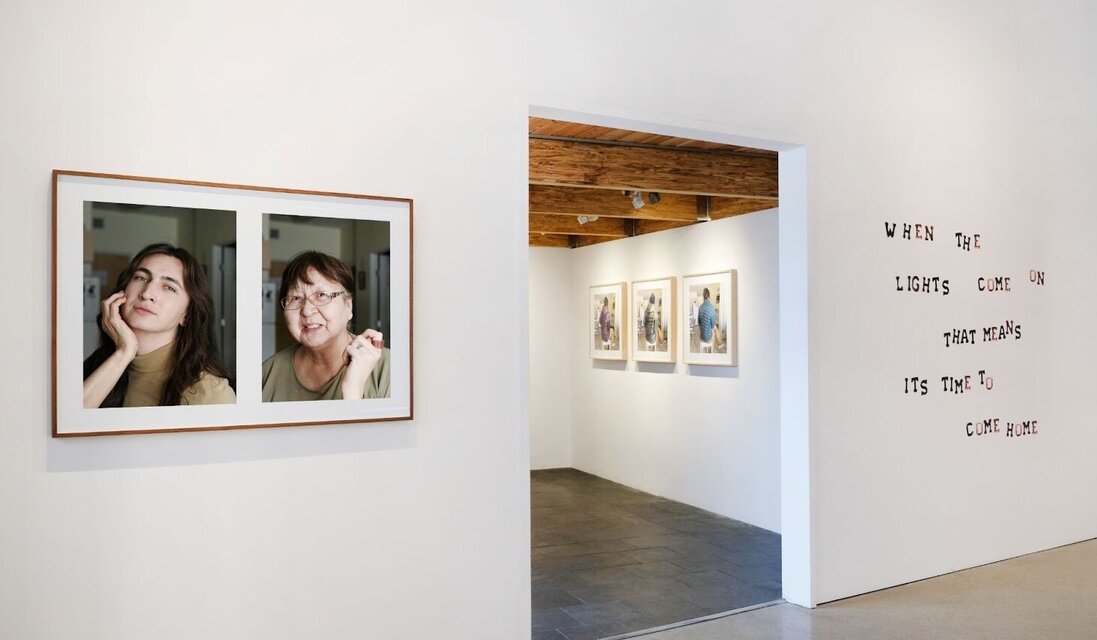
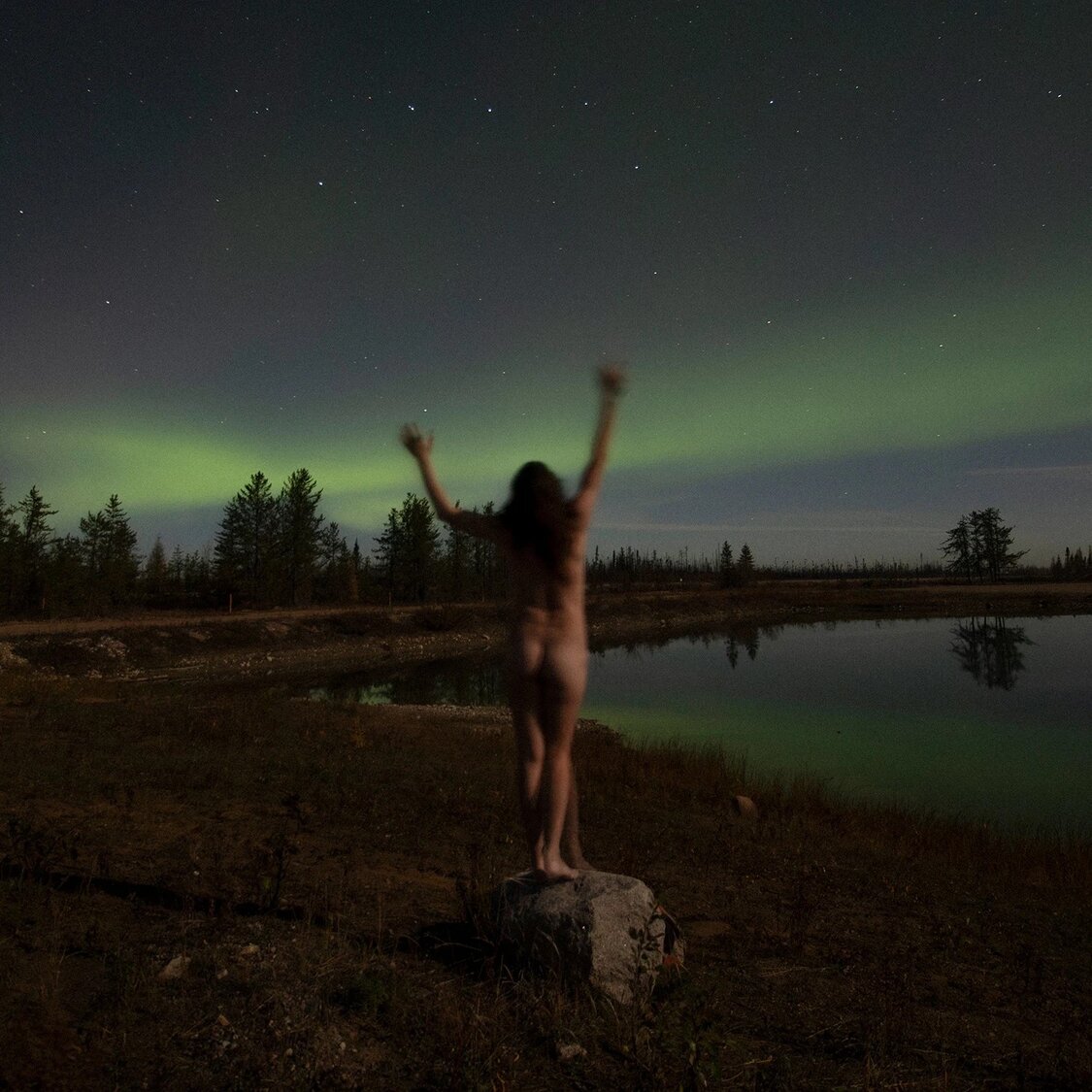
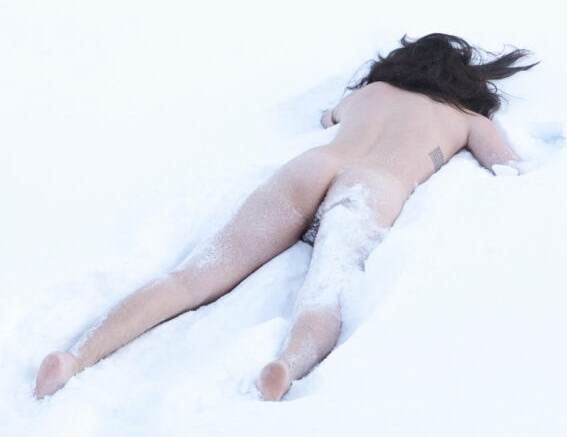
    Beside it on the gallery’s wall, in a similar maple frame, is When the Lights Come On That Means It’s Time To Come Home, a visually stunning photograph of Kimble and the Northern Lights. In this image, he has tamed the ever-morphing aurora borealis while rendering himself in constant movement, dancing with and reaching for the lights of his home’s backyard. The theme of physical, mental, and spiritual unity with his home emerges in this triad of photos, with the third being potentially the most resonant. Bath Time shows a face-down Kimble in crisp and undisturbed snow. As though he has readily fallen into its cold embrace, he is purified and cleansed in the mid-winter snows.

    Jake Kimble, When the Lights Come On That Means It’s Time To Come Home, 2023, Archival pigment print, 40 x 40 in.

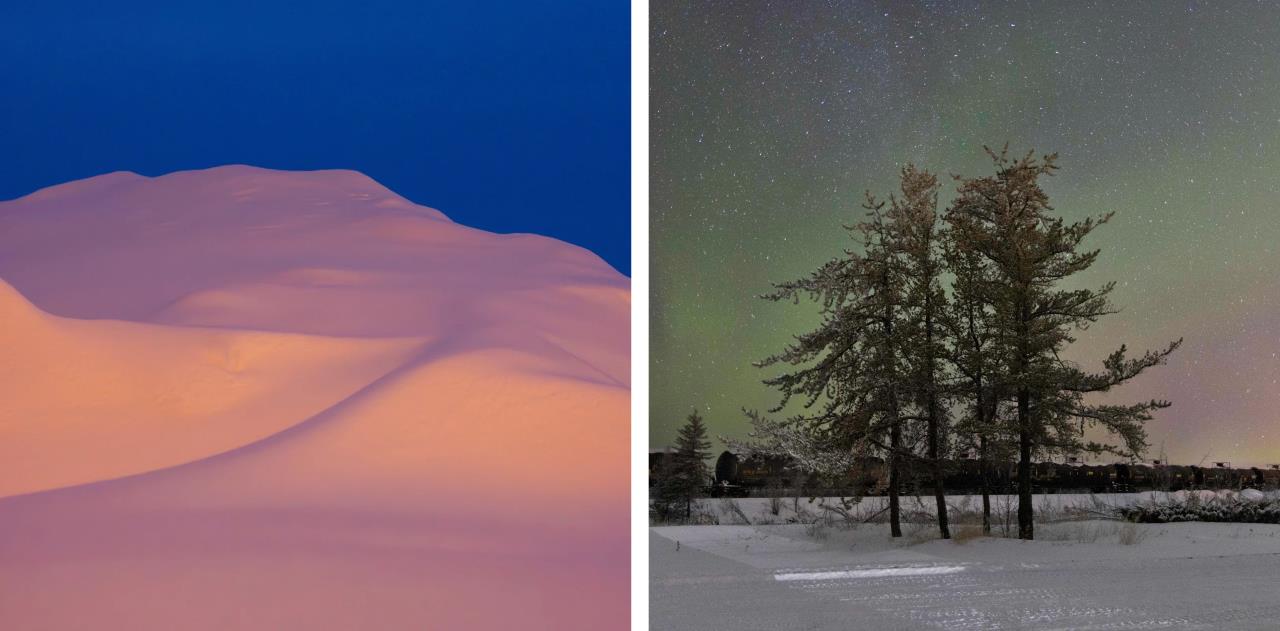
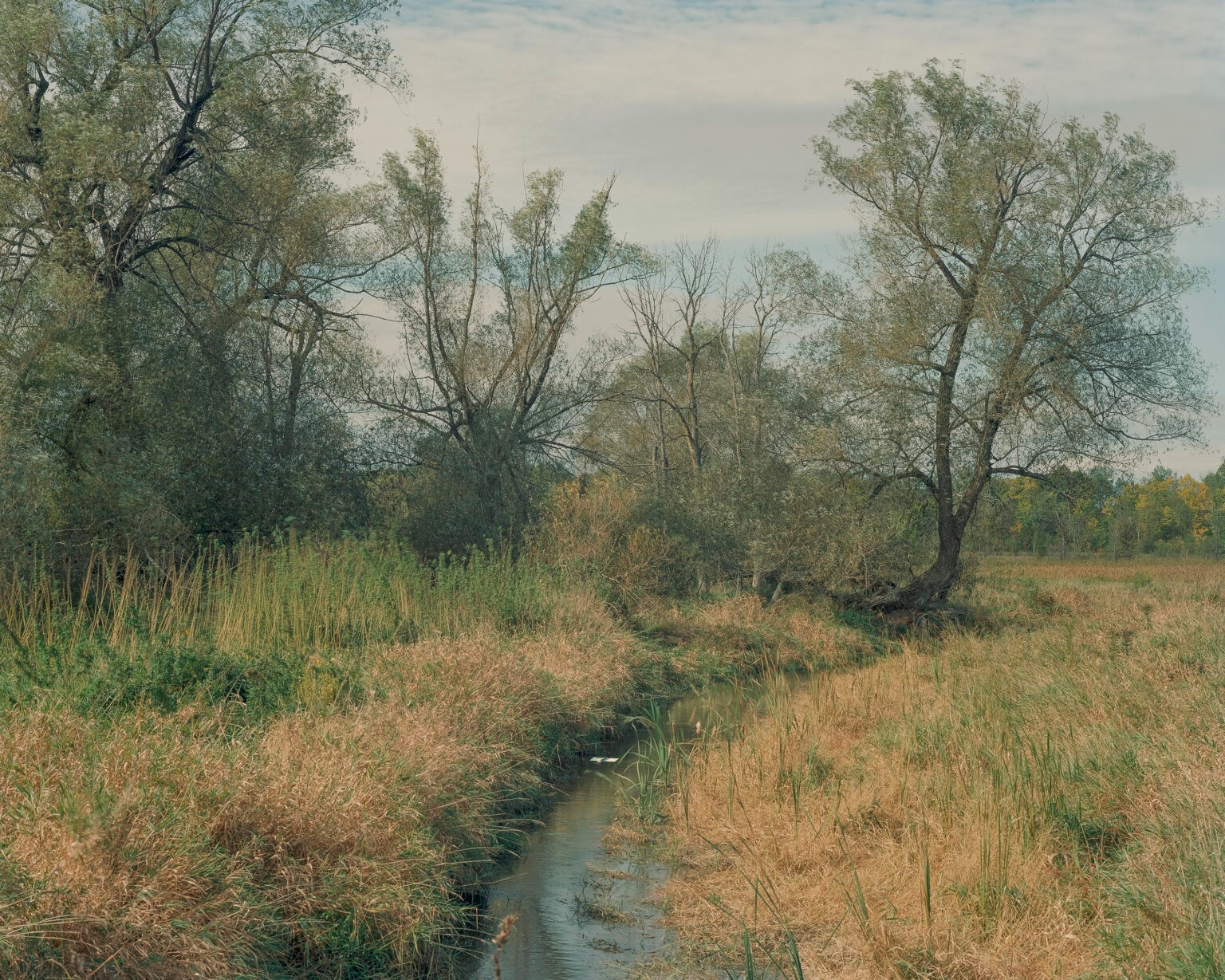
    Adjacent to the gallery’s entrance is another triad, with its theme of home centred on physical settings. In this excerpt of photographs, the protagonist is Enterprise (the hamlet in which the photographer’s community is located) near the border of Alberta along the Hay River. Home Sweet Home captures a snow dune, the saturated pink reflecting a setting sun offset by the deep blue of the darkening sky. It’s a striking piece, with its colour and depth rendered almost reverently by Kimble. 12’4” features a group of trees standing strong, their limbs made colossal by the green and violet northern lights stretching across the star-speckled sky. Nowhere in the light-polluted suburban and urban areas of Southern Ontario can one see the night like this. Finally, Playing with the Ground and the Lake contrasts the playground’s primary colours against the stark white of the snow and sky. These are glimpses into the details that make Kimble’s home so unique. How difficult it must have been to lose it; how heartening to have reclaimed it.

    Jake Kimble, Home Sweet Home (left) and 12’4” (right); both 2023, Archival pigment print, 22 x 22 in

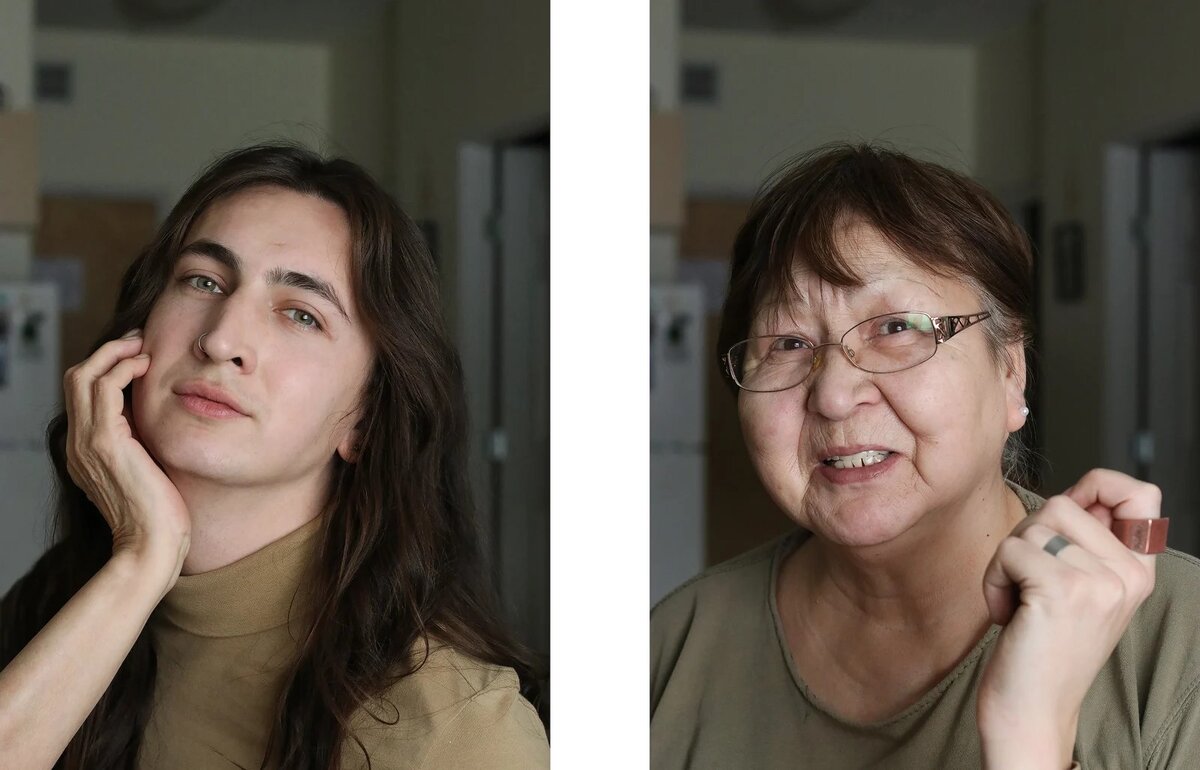
    Switching walls, the immediate draw is a diptych of the artist and his grandmother in DNA Holy You Ever Act Like Granny. The resemblance is obvious: both have kind and inquisitive eyes, with a humorous glint that catches the light in Kimble’s grandmother’s home. The ‘funny bone’ mentioned can be found here too. The hands in each image belong to the other – the two were playing when this was taken, experimenting with perspective and their alikeness.

    Jake Kimble, DNA Holy You Ever Act Like Granny, 2023, Archival pigment print, 25 x 39 in.

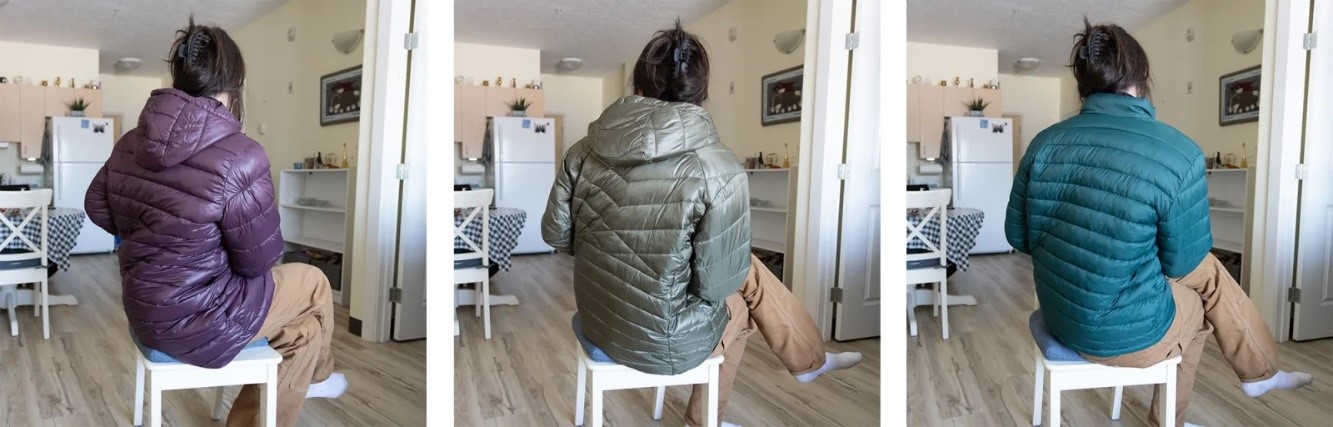
    Similarly, in the triptych Setsune, ?ama, Sekui, Kimble dons the identities of his grandmother, mother, and self by wearing their coats and photographing himself from behind. Aaccording to the artist, the three of them cannot be told apart from the back. His family is clearly synonymous with home – they are the safety and stability only home can provide.

    Jake Kimble, Setsune, ?ama, Sekui, 2023, Archival pigment print, 20 x 20 in

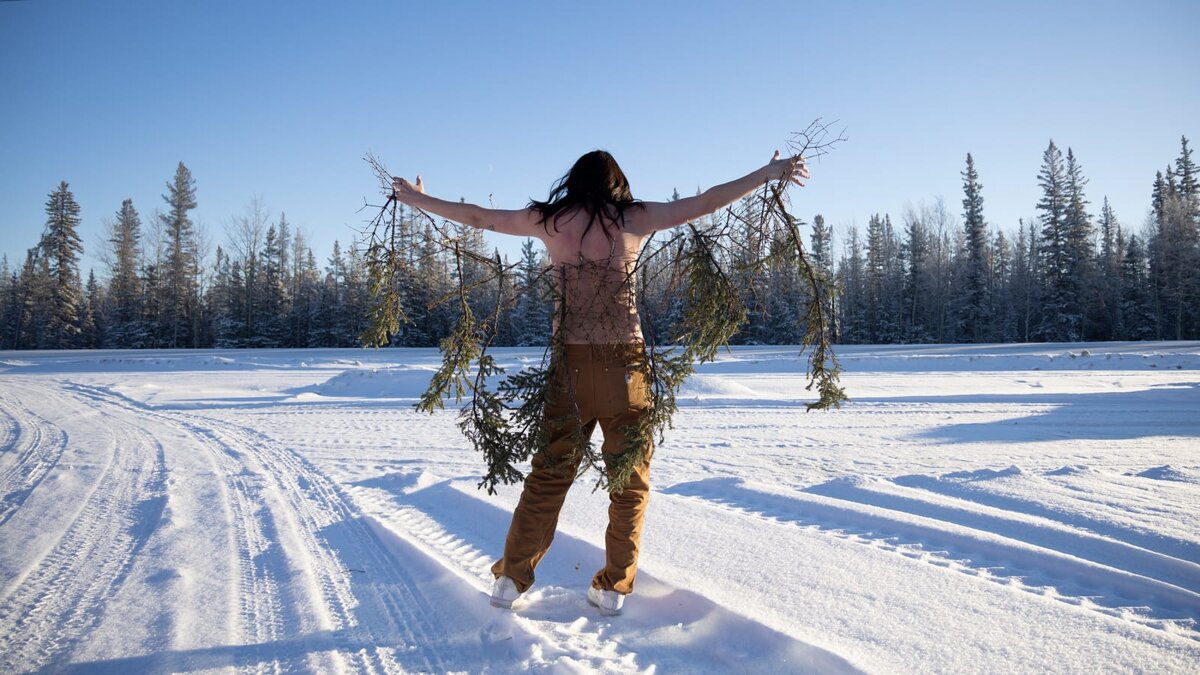
    The last section invites us into Kimble’s past, his Chipewyan ancestry. Funny Looking Raven, which features Kimble donning an imagined ceremonial Chipewyan shawl, draws inspiration from artist Cheyenne Rain LeGrande, whose artwork aims to bring her ancestors along with her. Kimble, here, with his outstretched arms and makeshift shawl spreading across his back like a wingspan, seems to be embracing his home: both the physical surroundings of his present and the cultural visualizations of his tribe’s past.

    Jake Kimble, Funny Looking Raven, 2023, Archival pigment print, 25 x 36 in.

    This exhibition invites the viewer to process the grief of loss alongside the artist while also encouraging laughter, a key element in any healing journey. 

    Elin MacRae

    Images are courtesy of United Contemporary Gallery.

    *Exhibition information: Jake Kimble, Make Yourself at Home, April 4 – May 11, 2024, United Contemporary Gallery, #22, 1444 Dupont Street, Toronto. Gallery hours: Wed – Sat 11 am – 6 pm. 

    The exhibition is part of CONTACT Photography Festival. 
  • GradEx 109 at OCAD U

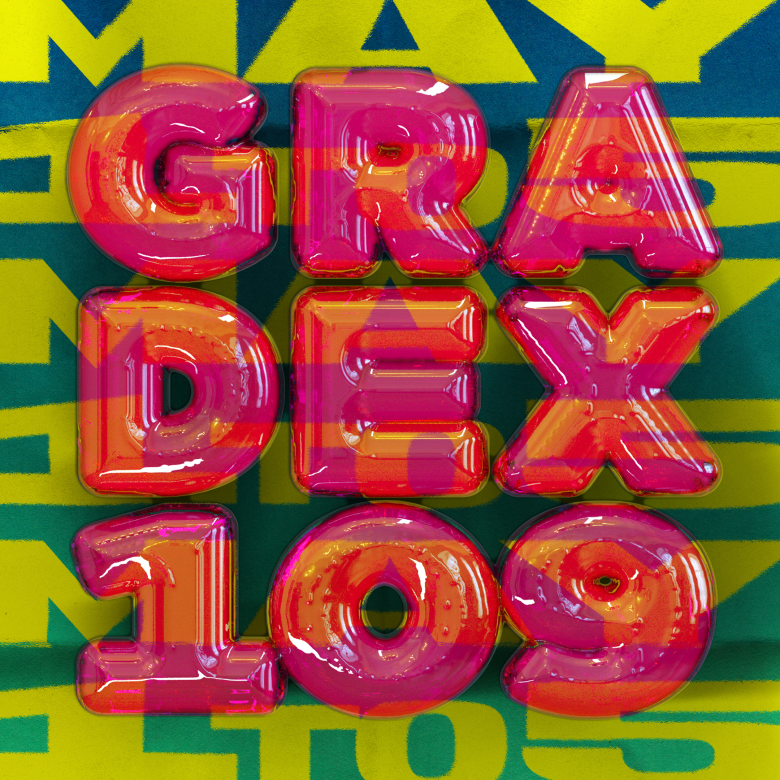
    If you’ve been on McCaul Street lately, you can’t have missed the posters promoting OCAD University’s 109th graduate exhibit “GRADEX 109” in hot pink bubble letters. Toronto’s largest free art and design exhibition, GradEx, has always delivered an exciting, well-rounded array of emerging artists; its 109th show promised the most experimental work yet.

    I made my way to the Great Hall to see a performance by Pixel Heller to kick off the opening reception. Previously shown at the Artist Project, the performance featured stilt walkers in vibrantly-coloured Moko Jumbie masks as an ode to Pixel’s cultural heritage and celebration of diasporic resilience. The magic of Pixel’s performance engaged many visitors who followed their path in awe and excitement.

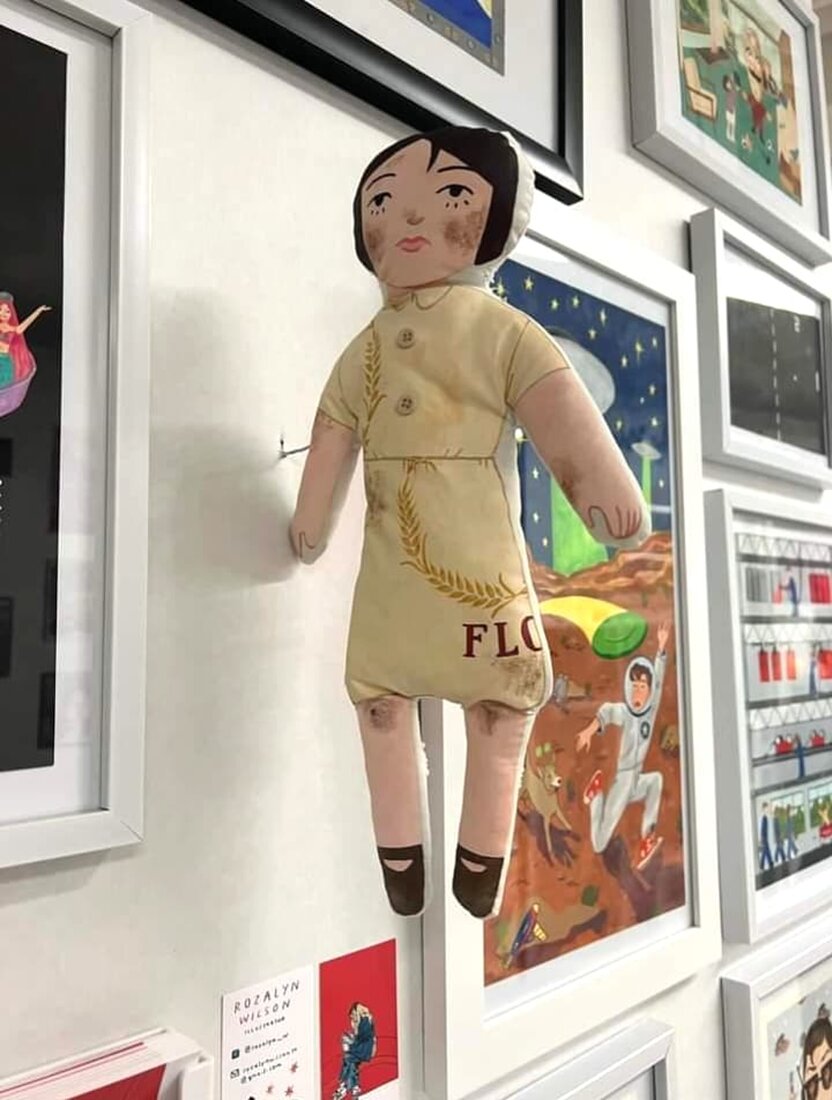
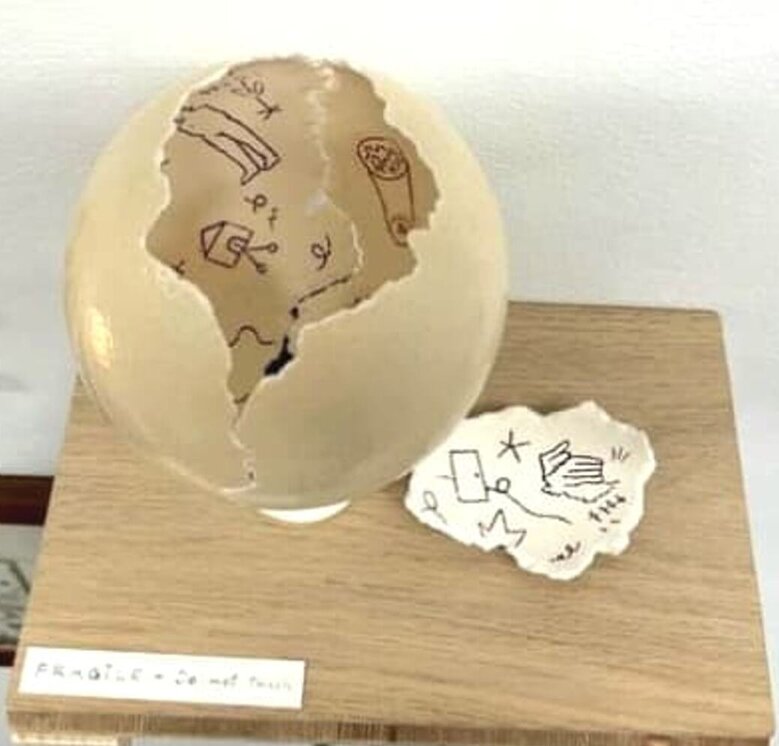
    Of all departments, this year’s Illustration department had the largest number of exhibitors in GradEx history. The sixth floor offered a large variety of work that, in a refreshing turn, saw emerging illustrators lean toward analogue approaches in spite of the prior years’ overwhelming presentation of digital artwork. Aside from illustrative work, artists incorporated other mediums into their displays such as Rozalyn Wilson’s handmade doll, Leah Chudoba’s fungi animation, and Nik Clydesdale’s painted ostrich egg. I found that there was an effort to challenge the line between fine art and design.

    Rozalyn Wilson, handmade doll

    Nik Clydesdale, painted ostrich egg

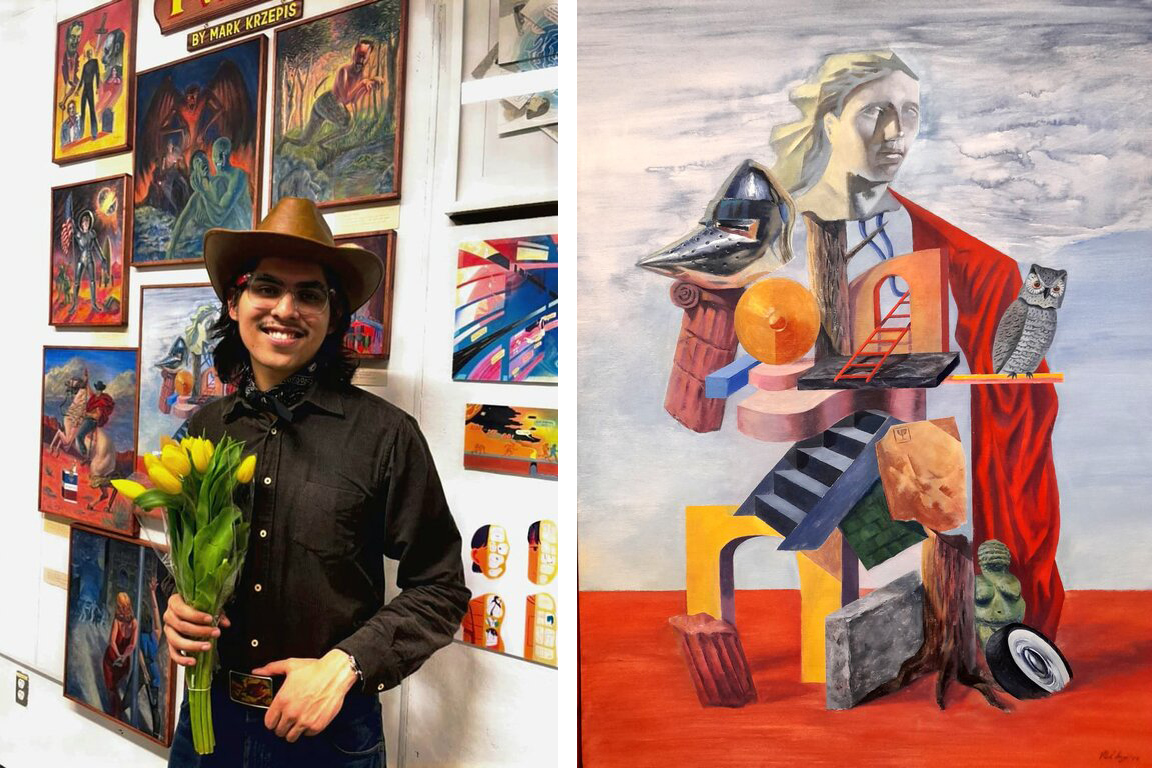
    Mark Krzepis’ “PVLPIT” investigates the shared motifs between lowbrow and highbrow art. The central painting in Krzepis’ display, “Venus,” illustrates the idea of his thesis as it contrasts visual elements of beauty in a manner that offers cubist, dadaist, and Ettore Sottsass-style craftsmanship. A broken Greek ionic column at the bottom represents ancient architectural conventions with decorative and curved features, whereas the overall composition resembles Sottsass’ Carlton bookshelf, which rejected ornamentation and used commonly available, man-made materials. The bust of the Capitoline Venus juxtaposed with the Venus of Willendorf captures the evolution of Paleolithic modes of artmaking and human representation to the refined techniques and realism of the Roman era. Despite the initial differences between them, the elements share similarities: the Carlton bookshelf and the Greek column serve the purpose of supporting weight, while both Venuses embody ideals of European beauty, however varied.

    Mark Krzepis (left) and his painting Venus (right)

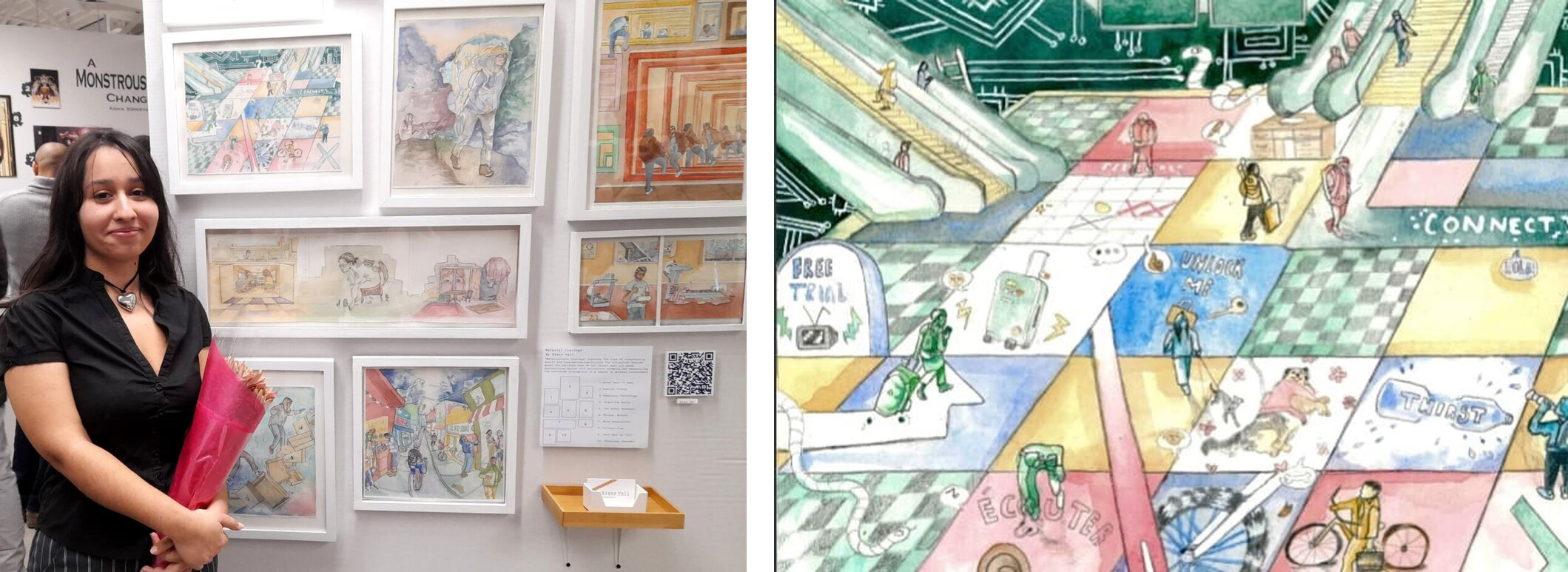
    Grace Vali’s “Materialistic Cravings” considers human evolution in terms of modern consumption. The ten surrealist gouache and graphite paintings of her thesis dissect the correlation between human desire and consumerism in a humorous, self-aware manner while provoking viewers to analyze their own measures of consumption. Questioning our gravitation towards products that do not always satisfy us, Grace in her work sees overconsumption as a response to our desire to achieve contentment. For instance, “Algorithm Mania” reinterprets the classic board game Snakes and Ladders to showcase how the persistence of advertisements and urgency of sales encourage unnecessary spending; blurring the line between wanting more and satisfying genuine need. The boardgame’s numbered squares hold products that entice shoppers with false promises including “free trials,” pets, and various home and fashion goods. Here, Grace encapsulates how modern consumer activity is increased by desire, which is much more invasive and addictive than need. Consumerism itself has changed our perception of the world into a container of disposable objects.

    Grace Vali in front of her paintings (left) and Algorithm Mania (right)

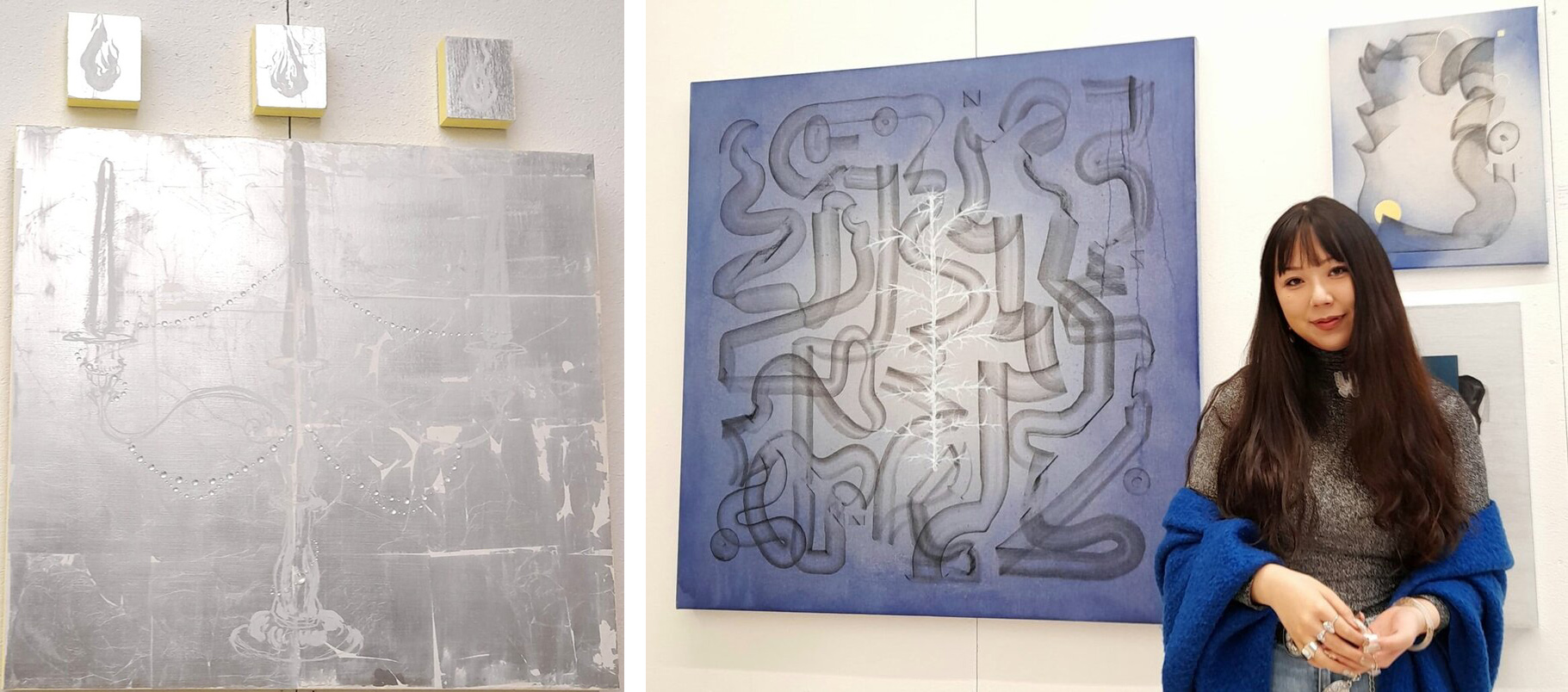
    The Drawing and Painting department too shows artists confronting the conventions of fine art through material experimentation and by finding meaning within the materials. This is best evidenced in Vicki Ying Shi’s mixed media work, which examines the complexities of contemporary womanhood through embracing beauty, pain, and femininity. For instance, the three-dimensional, beaded detail work of “Whispers of Light,” was created with gel nail polish as it is often considered a ‘feminine’ accessory. Vicki uses nail varnish, transforming its categorization from a beauty product into an artistic tool. Her work brings together beauty treatments and high art. Subsequently, the candelabra painted on reflective silver foil dances between appearance and disappearance, creating a ghostly visual illusion that prompts viewers to contemplate the beauty of light and shadow.

    Vicki Ying Shi, Whispers of Light (left) and Vicki Ying Shi in front of her work

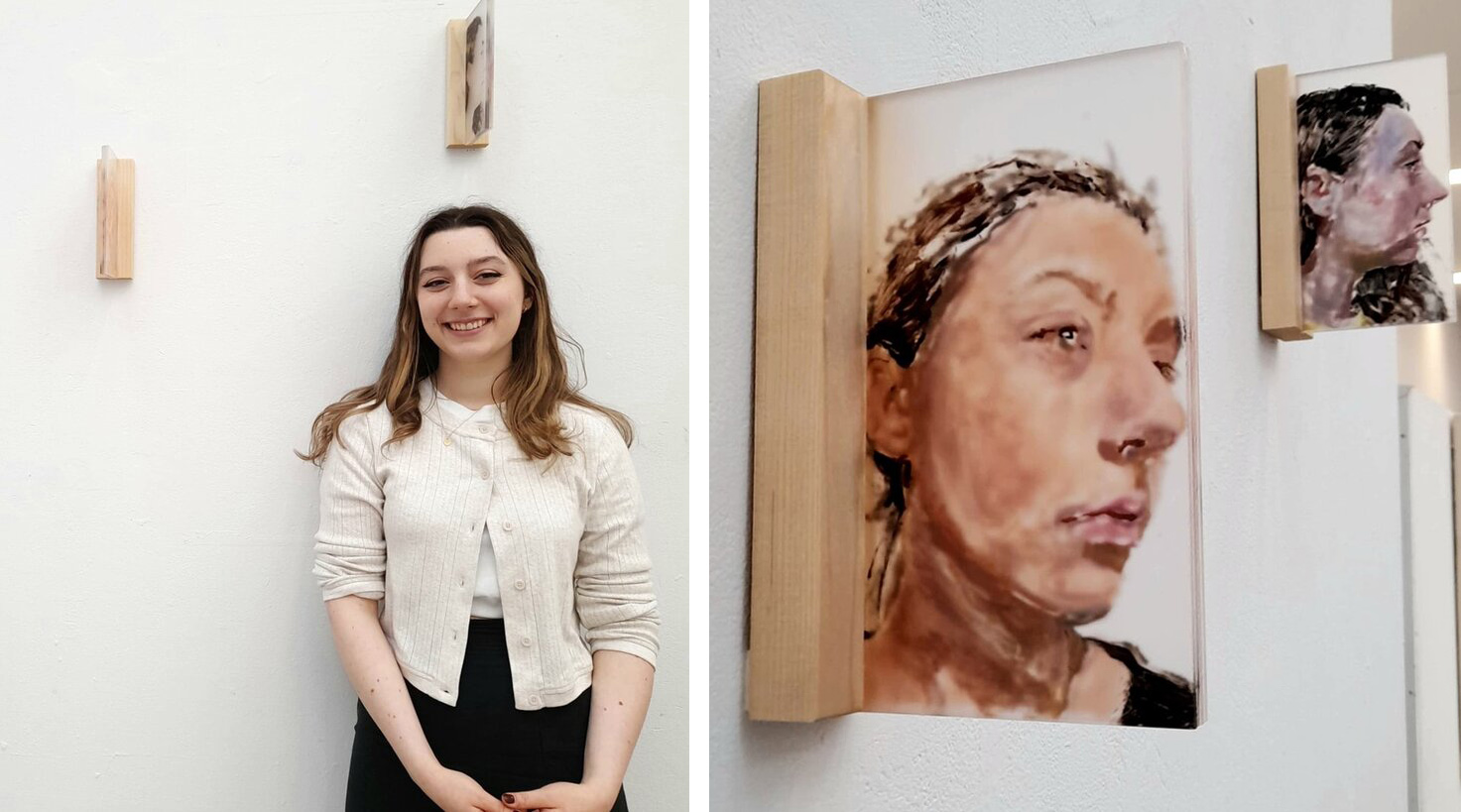
    Danielle Vincent’s “In the Threshold” features oil self-portraits on layered sheets of frosted plastic, playing with the perception of depth and transparency. They offer intimate depictions of the artist and evoke Jenny Saville sensibilities through Danielle’s buttery brushstrokes and delicate mark-making.

    Danielle Vincent (left) and her work In the Threshold (right)

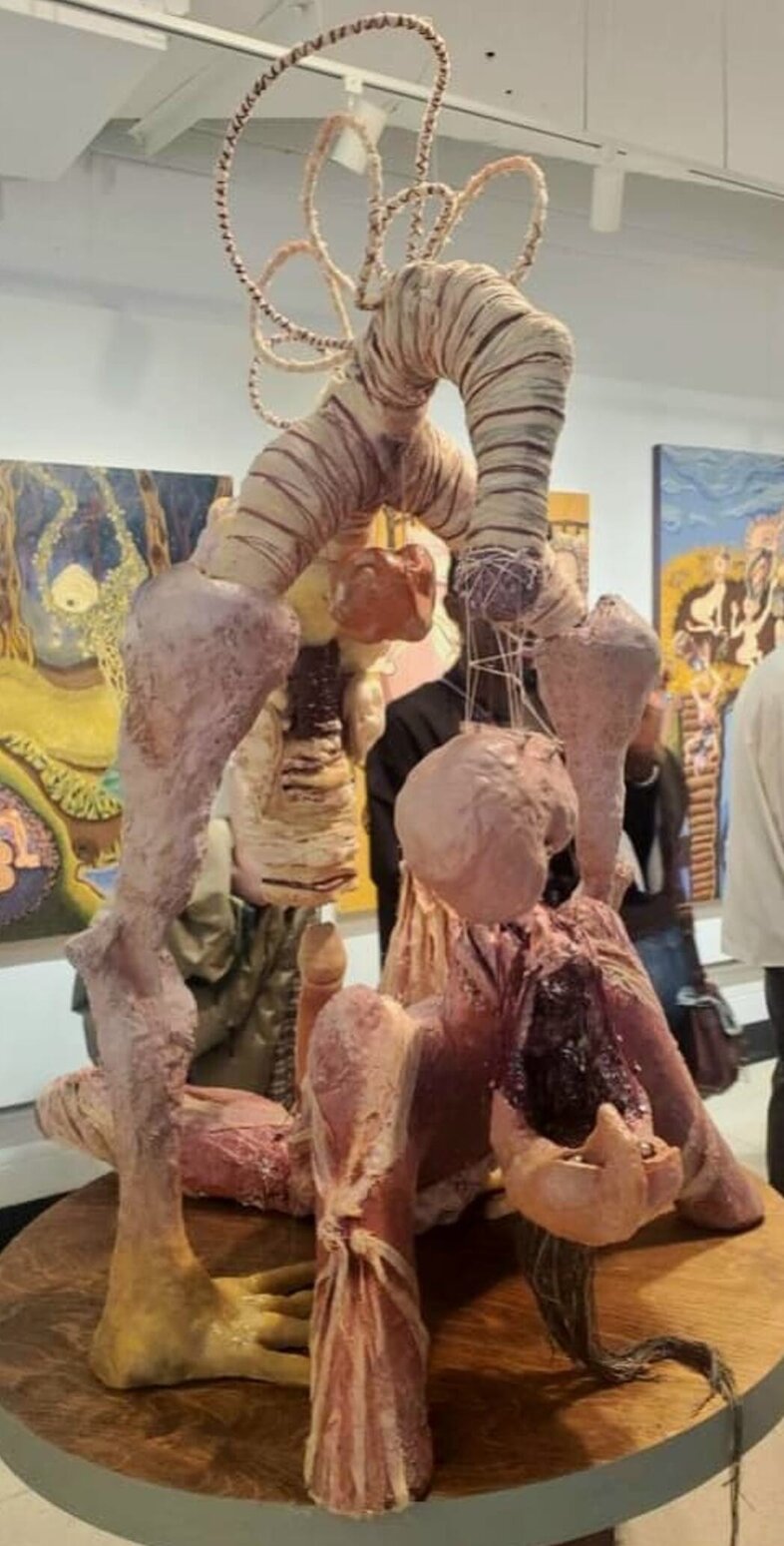
    Sculptural works were also included in GradEX 109, including Anthony Micallef’s sculpture that finds beauty in the violence and grotesqueness of human decay. While the bodies are preserved and wrapped up, the morbid disfiguration and the ants crawling around the figure’s mouth present the complexity of death and decay.

    Sculpture by Anthony Micallef

    Text and photo: Tiffany Duong

    *Exhibition information: GradEx 109, May 1 – 5, 2024, OCAD U, 100 McCaul St.

  • Danielle Dean at Mercer Union

    British-American artist Danielle Dean’s exhibition “Out of this World” is her first solo exhibit in Canada, and uses archival records, footage from films and advertising as well as materials that were shot specially for this work. She has exhibited widely in Britain and the USA, including the Tate Britain and the Whitney Biennale.

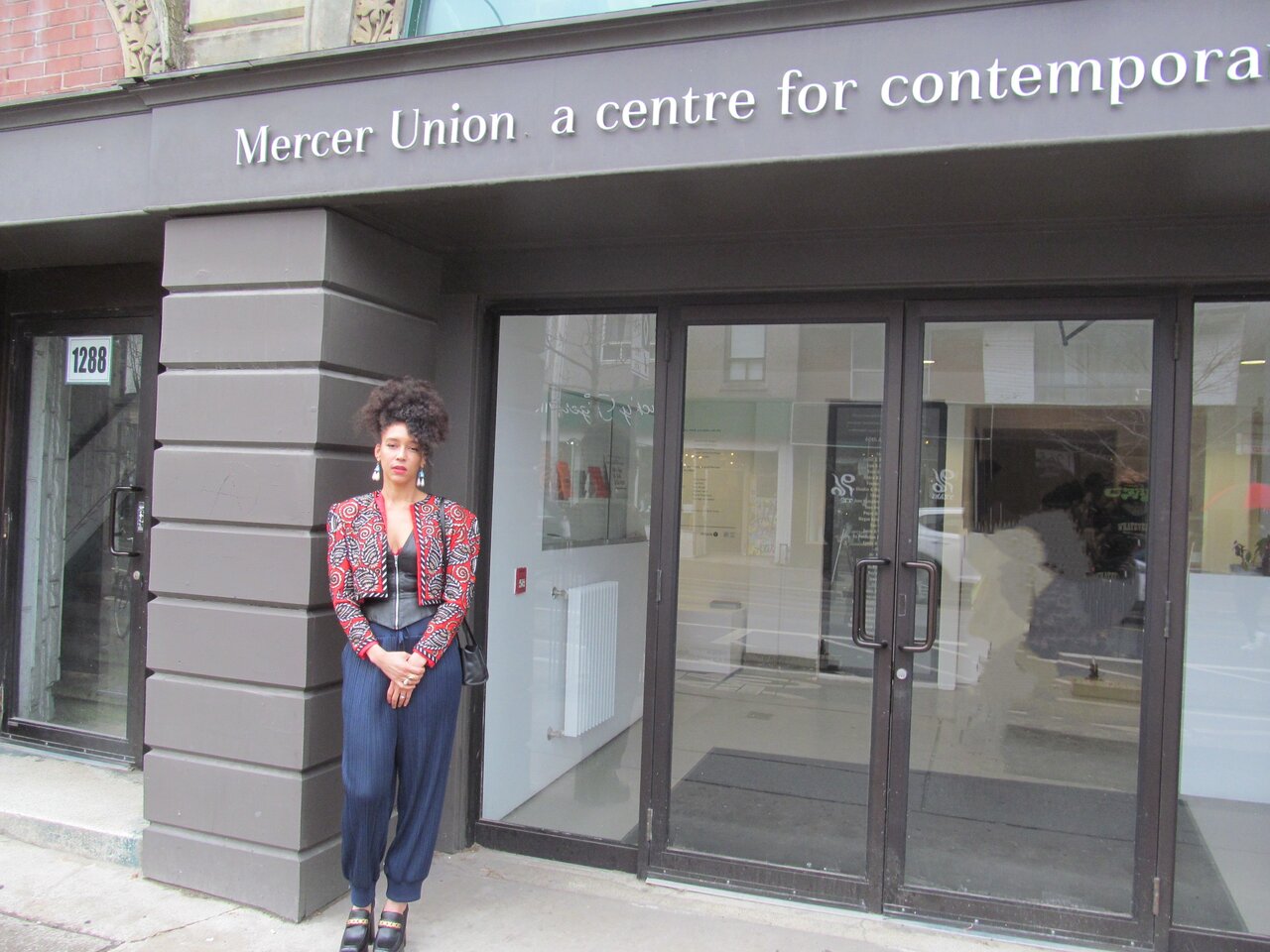
    Danielle Dean in front of Mercer Union. Photo: Phil Anderson

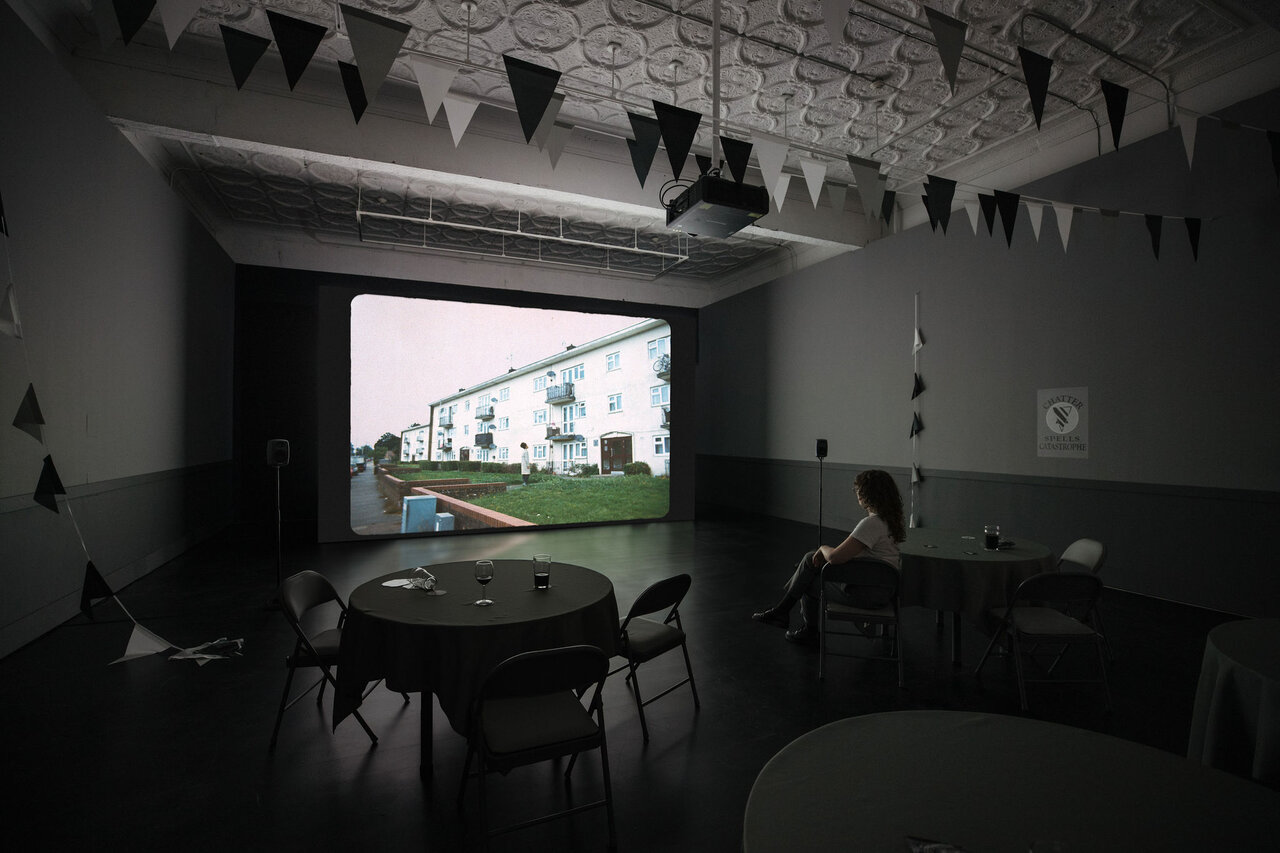
    Her film Hemel portrays Hemel Hempstead, a town of some 100,000 people, about 24 miles northwest of London. As Theresa Wang, Director & Curator of Mercer Union said at the opening reception: “Hemel offers a way of understanding how our familiar worlds are made and how we contend with those histories. For Mercer Union, the film asks important questions about the role of communities in times of societal change, and the underlying structures that support their creation.”

    The town of Hemel goes back to the 8th century and was originally named Haemele meaning broken country. After World War II the New Towns Act of 1946 proposed a new planned community there. The residents of Hemel were opposed to some of the design features, but it was still built with identical buildings in uniform streets.

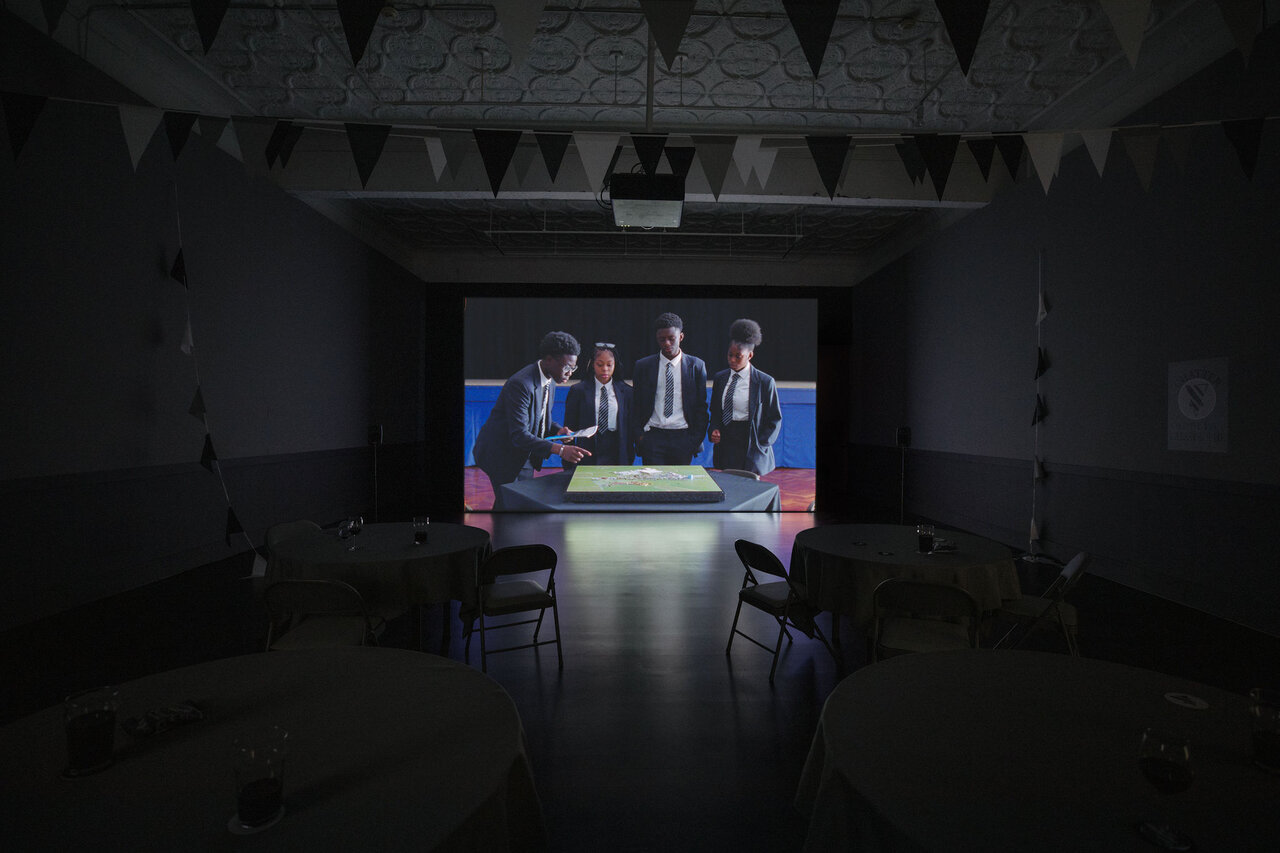
    Danielle Dean: Out of this World. Installation view: Mercer Union, 2024. Courtesy the artist and 47 Canal, New York. Photo: Vuk Dragojevic.

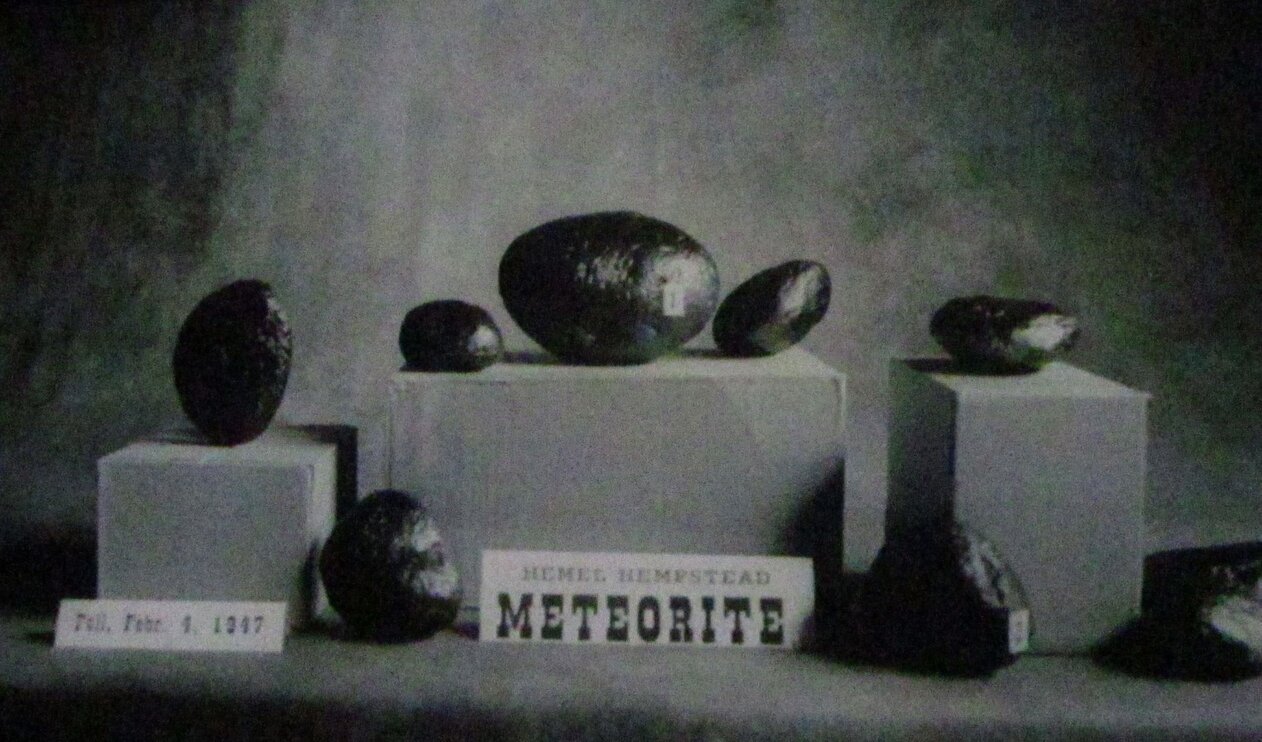
    Dean’s artworks are often research based, exploring issues of race and labour strife. The film, Hemel, slides in and out between fiction and reality. Dean uses old footage of a 1957 sci-fi horror B-movie, that was shot in the town. It’s about a non-human entity that infiltrates the minds of the people and endangers their lives with a toxic black slime that engulfs the community.

    As a child Dean grew up in Hemel and as a person of colour experienced incidents of racism there. At one point in the film, she talks to her mother about these experiences. Her mother says, she thought Dean had a happy childhood but admits there were moments of racist interaction but seems to downplay it. It is an awkward moment with an uncomfortable effect.

    Danielle Dean: Out of this World. Installation view: Mercer Union, 2024. Courtesy the artist and 47 Canal, New York. Photo: Vuk Dragojevic.

    The 29-minute 16 mm film has a dark grainy visual presence at times but is mixed with colour footage. Again, Dean has used archival material with her own film footage.

    Danielle Dean: Out of this World. Installation view: Mercer Union, 2024. Courtesy the artist and 47 Canal, New York. Photo: Vuk Dragojevic.

    The town has a history of attracting large industry that brought an influx of workers who were not always welcomed by residents. Real events pop up in Dean’s portrait of this town such as the 2005 explosion and fire at the Buncefield Oil Depot, one of the largest fires during which flames and smoke could be seen for miles.

    Danielle Dean: Out of this World. Installation view: Mercer Union, 2024. Photo: Phil Anderson

    Danielle Dean: Out of this World. Installation view: Mercer Union, 2024. Photo: Phil Anderson

    Dean uses other footage to show the meteor shower of 2023 in the film. The grainy archival appearance gives the work a dark and foreboding feeling as Dean takes us on this journey piecing together the history of the town mixed with creative contemporary footage.

    Danielle Dean: Out of this World. Installation view: Mercer Union, 2024. Photo: Phil Anderson

    Mercer Union was once the Academy Theatre, a 390-seat theatre from 1934 to 1965 and so it almost seems to have returned to its past by hosting Dean’s new film. Hemel does not use professional actors and Dean pops in and out of the camera’s view, but despite it seeming somewhat fragmented, it connects well with the viewer.

    Danielle Dean: Out of This World is the 7th project developed through Mercer Union’s Artist First commissioning platform. Indeed, Dean’s Hemel successfully takes its audience on an exploration of the town exposing many layers, including the architecture and history of the town and its residents, while engaging the viewers.

    Phil Anderson

    *Exhibition information: Danielle Dean: Out of this World, featuring Hemel, a 29 min. film, April 13 – June 15, 2024, Mercer Union, 1286 Bloor St. West, Toronto. Gallery hours: Tue – Sat 11 am – 6pm.

    A Commissioned Exhibition Supported by Canada Council / Part of the CONTACT Photography Festival.

  • CONTACT 2024 / Artoronto picks

    28th Edition, CONTACT Photography Festival features over 130 exhibitions and outdoor installations by Canadian and International artists throughout the Greater Toronto Area. So, it isn’t easy to pick exhibits to see. We all look forward to seeing much more than the ones listed but these caught our interest and everyone is sure to have their own list as well.

    EMESE KRUNAK-HAJAGOS, publisher/writer:

    Stephanie Avery, Evangeline Y Brooks, Laura Komadina: Missed Details
    May 1 – 12, 2024
    All Ours Gallery

    Stephanie Avery, Wedding at the Phoenix, 2018

    Nika Belianina: Enchanted Journeys of Desire
    May 10 – Jun 1, 2024
    Abozzo Gallery

    Nika Belianina, Smiley, 2023

    PHIL ANDERSON, publisher/writer/photographer

    Ruth Kaplan & Claudia Fahrenkemper: Body Armour
    April 28 – July 1, 2014
    Japanese Canadian Cultural Centre

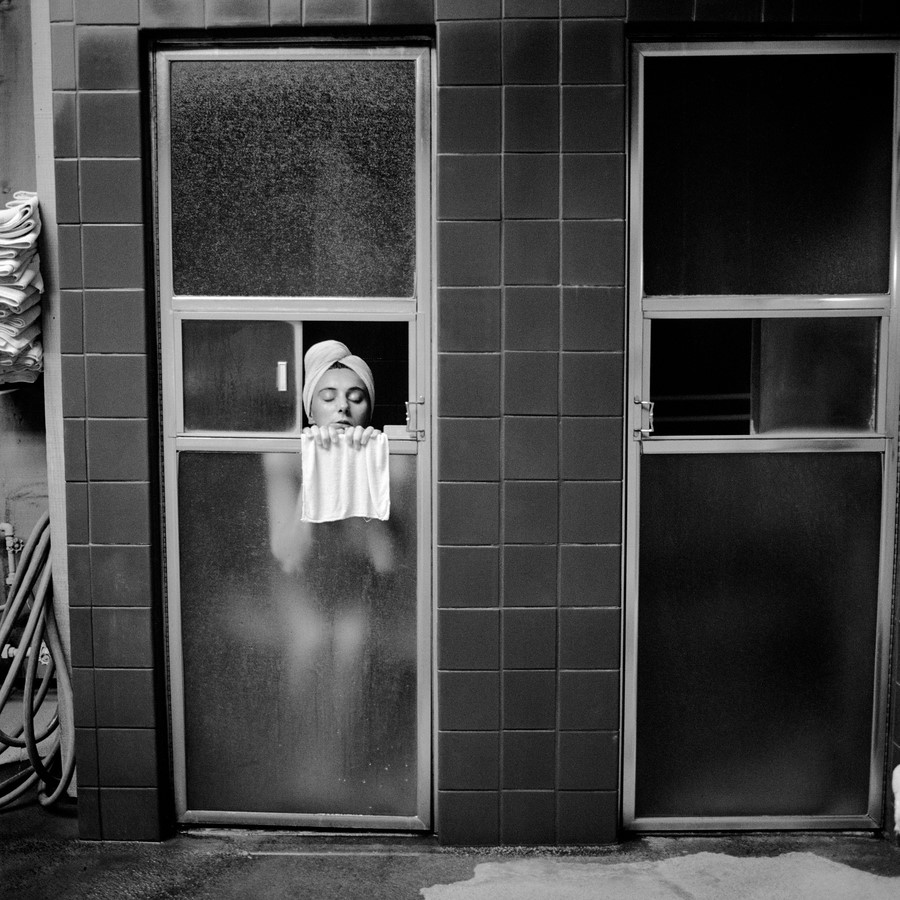
    Ruth Kaplan, Steam Room, Calistoga, California, U.S.A., 1991 (gelatin silver print; 14.25×14.25in (image), from the series Bathers. Courtesy of the artist and Stephen Bulger

    Amanda Large: We Are All Water
    May 2 – July 31, 2024
    Bulthaup, Toronto

    Amanda Large, untitled, 2021

    STEVE ROCKWELL, publisher/writer

    Strange Love / Organized by the National Gallery of Canada, presented in partnership with Library and Archives Canada and CONTACT
    May 1 – July 27, 2024
    Urbanspace Gallery

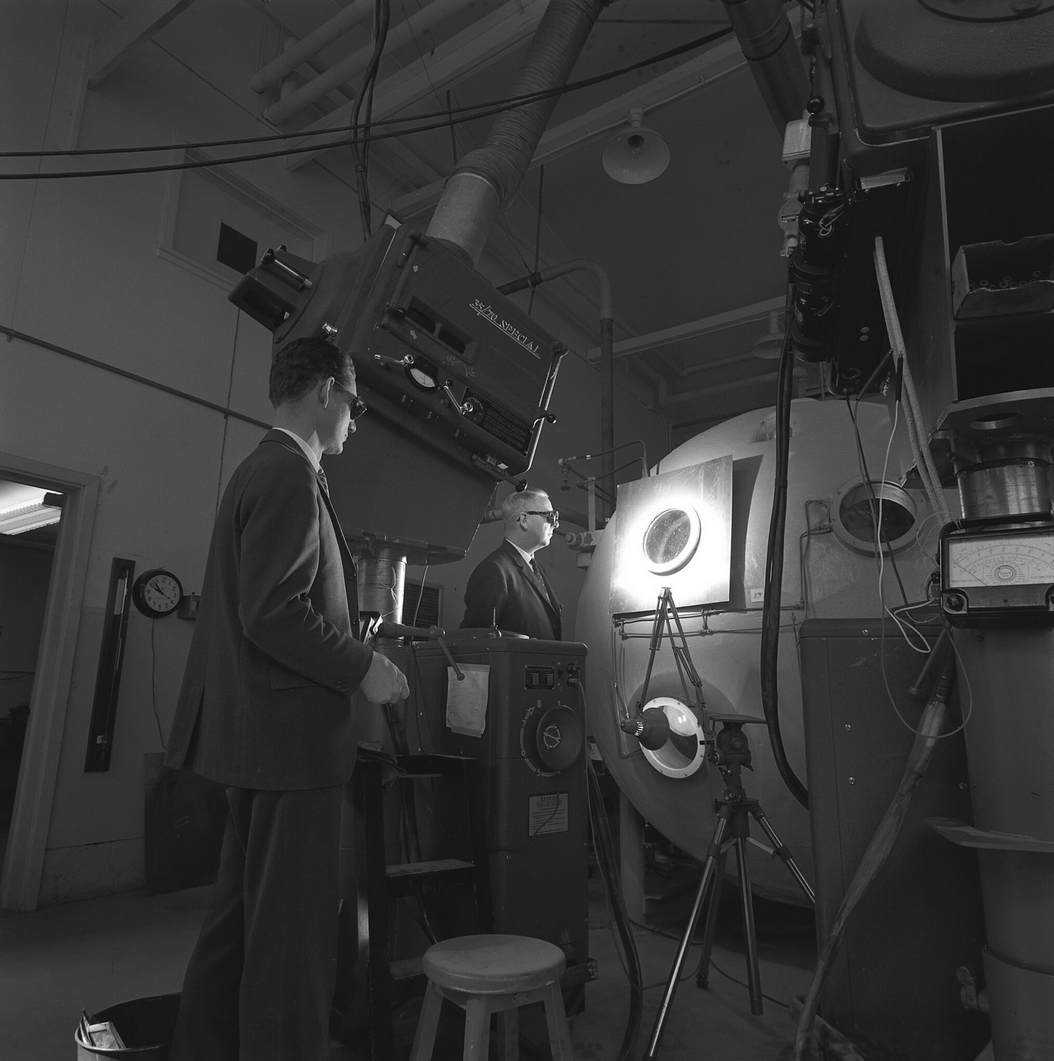
    C. R. Yool (1923–2006), Scientists Pat Holden and Norman Harrison look into the test chamber of the ISIS A Satellite, 1965. CMCP Archive, National Gallery of Canada Library and Archives (NFB 65-2587)

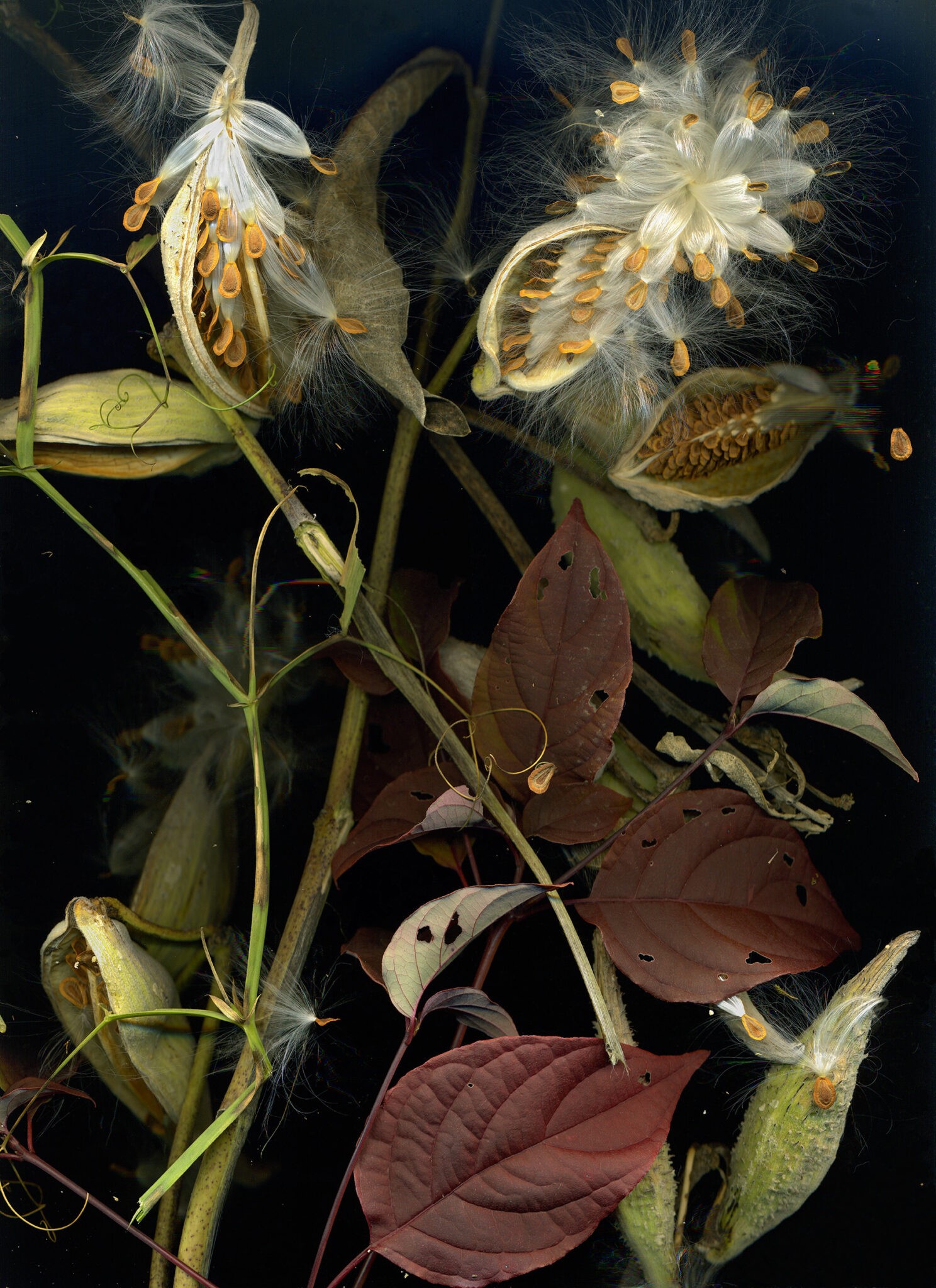
    Sara Angelucci: Undergrowth
    April 20 – July 7, 2024
    Art Gallery of Mississauga

    Sara Angelucci, October 14, Milkweed #3, 2020 (pigment print on archival paper flush-mounted to Dibond, 47x34in.), from the series Nocturnal Botanical Ontario. Courtesy of the artist and Stephen Bulger Gallery, © Sara Angelucci

    CASSANDRA JOHNSON, writer/photographer

    June Clark: Witness
    May 3 – August 11, 2024
    The Power Plant Contemporary Art Gallery

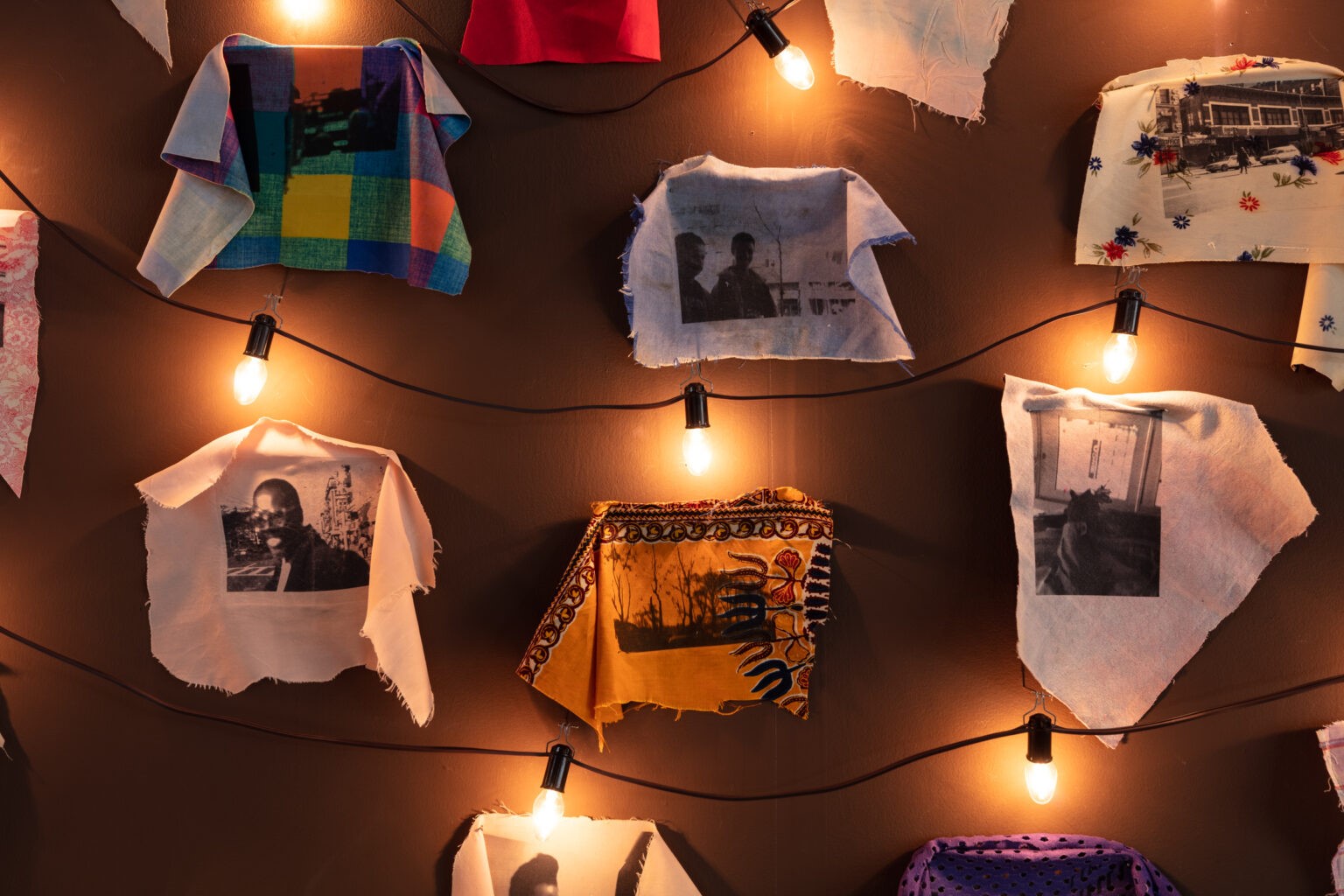
    June Clark, Harlem Quilt, (detail), 1997 (fabric, photo transfers, light). Courtesy of the artist and Daniel Faria Gallery

    In Dimension: Personal and Collective Narratives
    May 9 – August 3, 2024
    The Image Centre

    Work by Alishah Ahmad

    ELIN MACRAE, writer

    Jake Kimble: Make Yourself at Home
    April 4 – May 11, 2024
    United Contemporary

    Jake Kimble, Bath Time, 2023 (archival pigment print, 40x40in). Courtesy of the artist

    HUGH ALCOCK, writer/photographer

    Alan Bulley, John Healey, Jon Stuart: Landscaping(s)
    May 1 – 15, 2024
    Gallery 183

    Jon Stuart, Downstream, 2022

    Farah Al-Amin: Decay
    May 10 – 31, 2024
    Arterial Toronto

    Farah Al-Amin, Decay, 2023

    LEX BARRIE, writer/photographer

    Julya Hajnoczky: The Prefix Prize
    May 3 – July 27, 2024
    Urbanspace Gallery

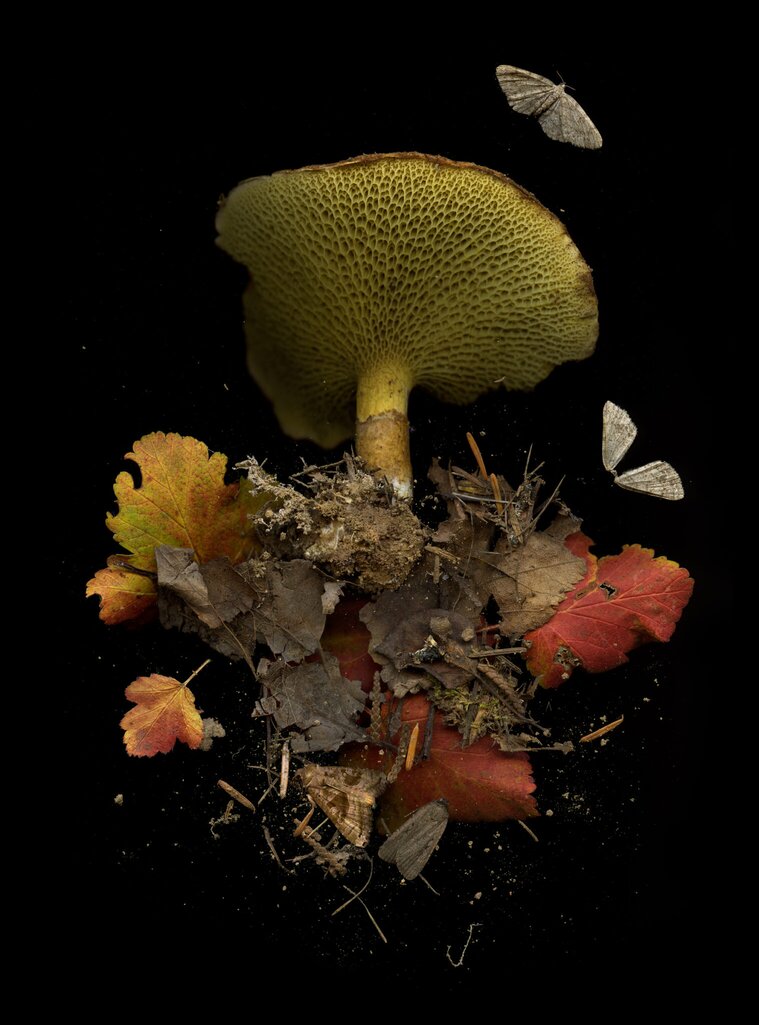
    Julya Hajnoczky, Boletinellus meruliodes, 2021, from the series At the Last Judgement, We Will All Be Trees. Courtesy the artist and Prefix Institute of Contemporary Art, Toronto

    Jah Grey: Putting Ourselves Together
    March 28 – May 25, 2024
    BAND Gallery

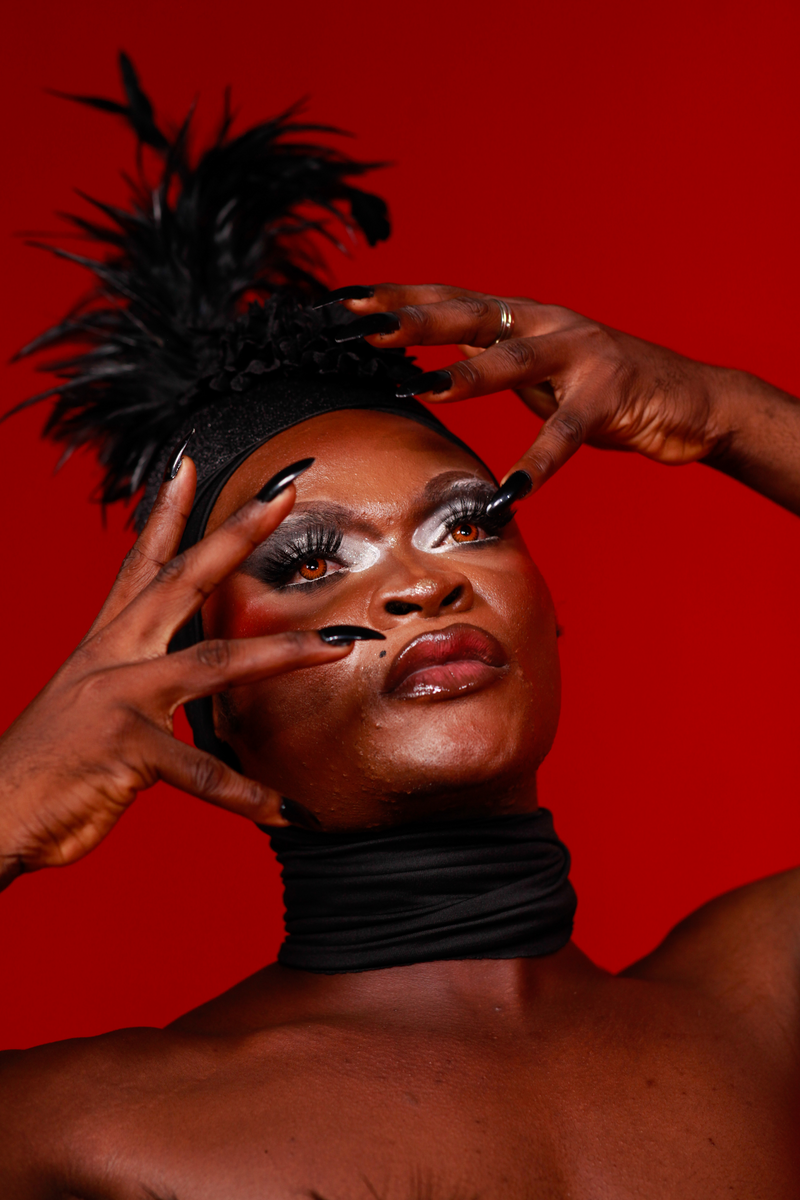
    Jah Grey, Oge Anthony Classic, (Stylist: Uche Uba Creative Directors: Jah Grey, Uche Uba, and Pris Zim), 2024. Courtesy of the artist

    POLYNA ALEXSEEV, writer/photographer

    Almagul Menlibayeva: My Silk Road to You & Nomadized Suprematism
    May 1 – June 9, 2024
    Aga Khan Museum

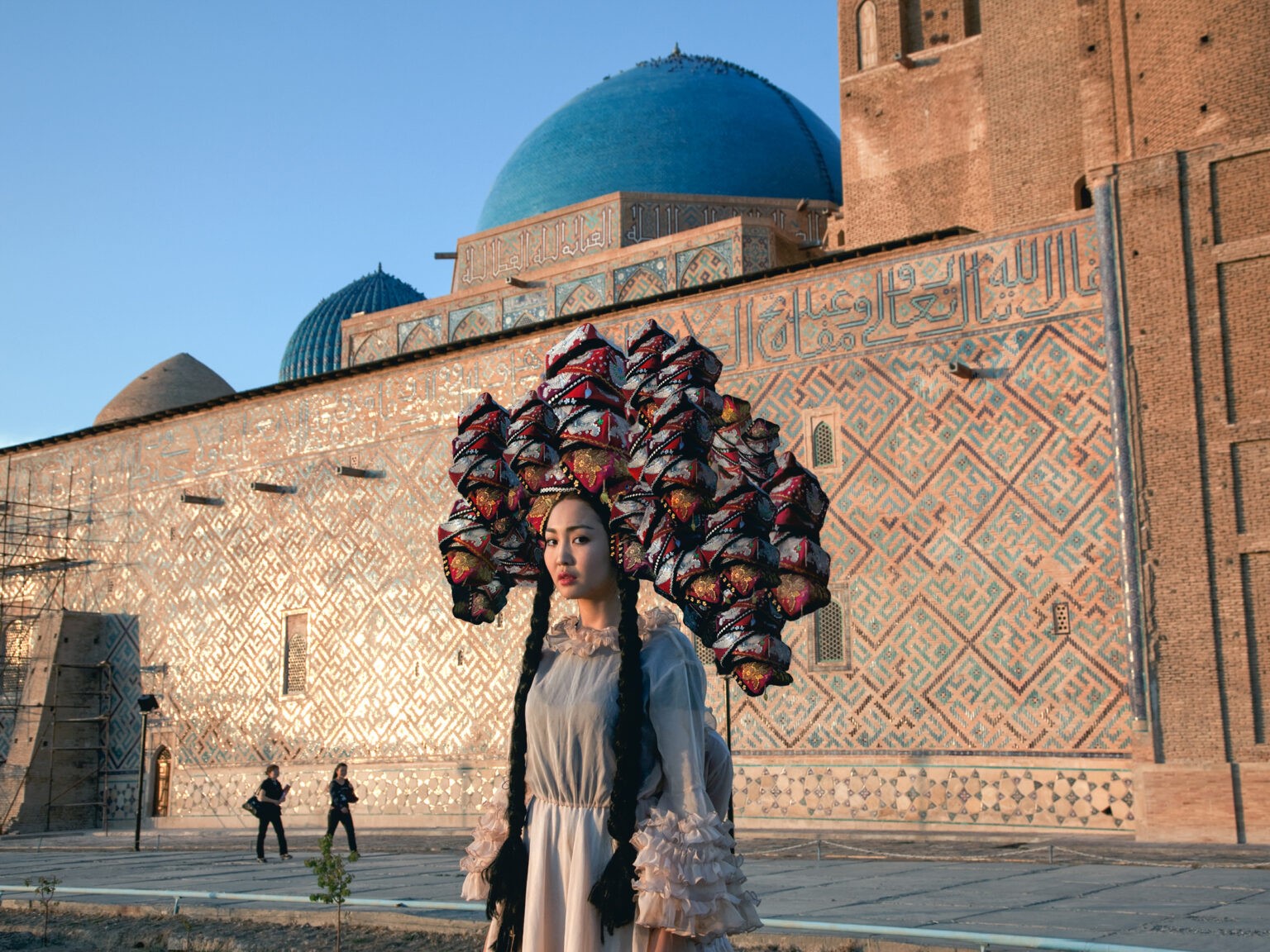
    Almagul Menlibayeva, Aisha Bibi, 2010, from the series My Silk Road to You. Courtesy of the artist

    Sage Szkabarnicki-Stuart: Home: Between Worlds
    May 4 – 31, 2024
    Rukaj Gallery

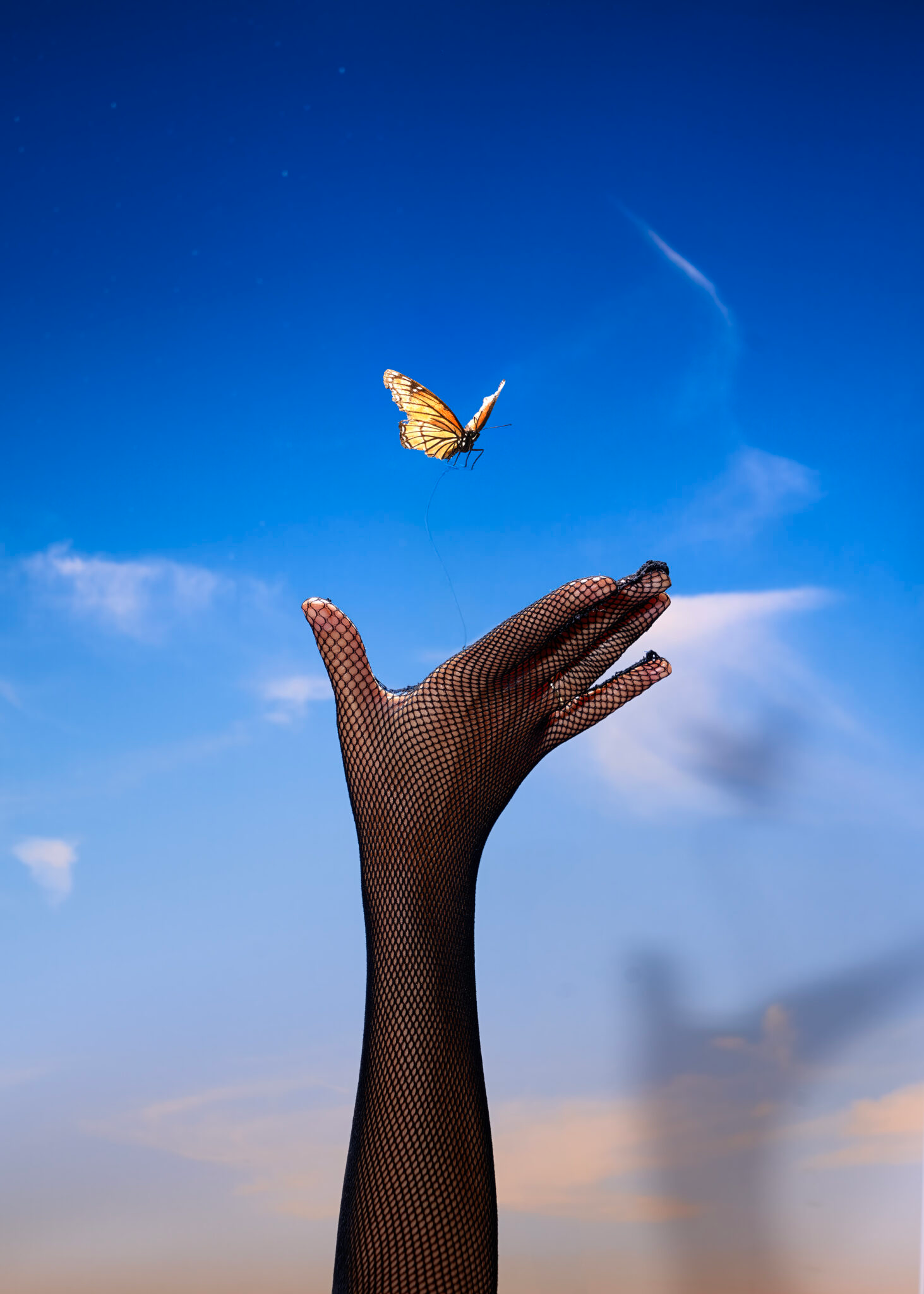
    Sage Szkabarnicki-Stuart, Monarch, 2023

    RASHANA YOUTZY, writer/photographer

    John Macfie: People of the Watershed
    May 11 – November 17, 2024
    McMichael Canadian Art Collection

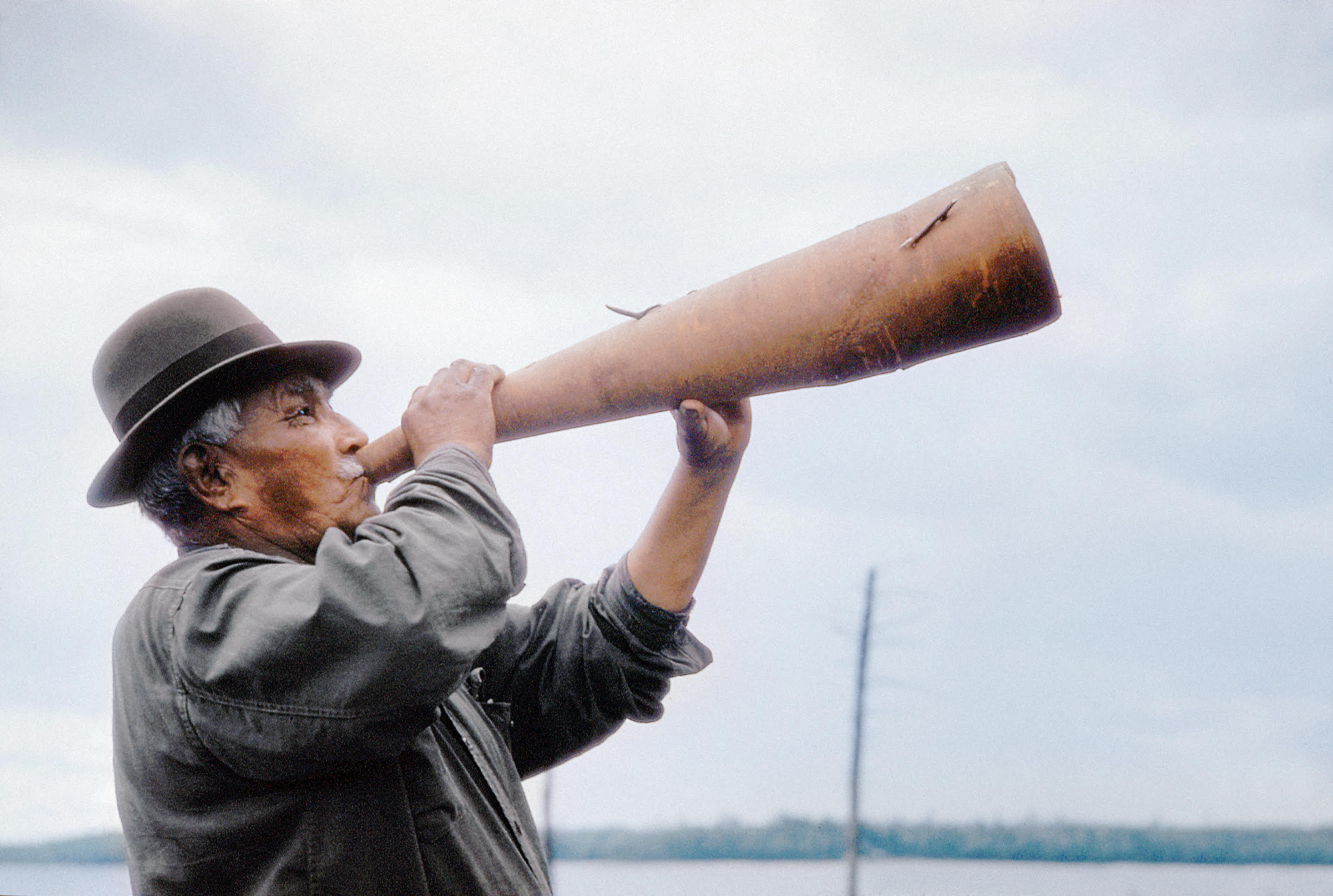
    John Macfie, Henry Kechebra calling a moose, Mattigami Reserve, 1959, photograph, John Macfie fonds, C330-14-0-0-22, Archives of Ontario.

    Finn O’Hara: Band on the Run
    May 1 – 31, 2024
    Donna’s

    Finn O’Hara, CEWA + LULI, 2023

    TIFFANY DOUNG, writer/media

    Ruth Less Tyler Nykilchyk, Jessica O’Lear: Liminal
    April 27 – May 31, 2024
    Alternity

    Ruth Less, reclaim 2, reclaim 3, 2023

    Julie Vetro: Campfire Songs
    May 22 – Jun 2, 2024
    Gallery 1313

    Julie Vetro, Ukulele Girl, 2024

    Images are courtesy of CONTACT Photography Festival.
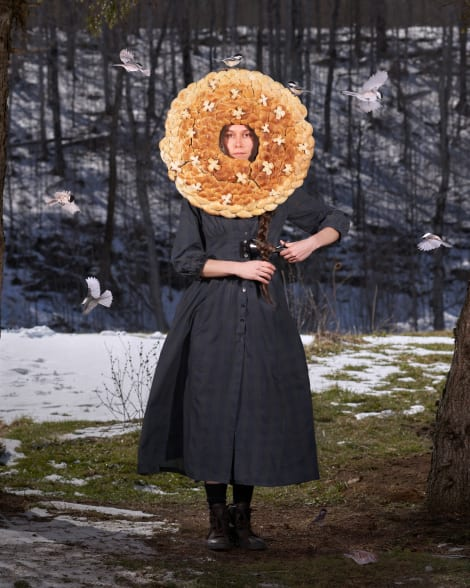
    To make your own selection of exhibitions please click here.

  • CONTACT PHOTOGRAPHY FESTIVAL 2024

    CONTACT
    FOTOGRAPHY FESTIVAL

    May / Various locations across the Greater Toronto Area

    The 28th edition of Toronto’s preeminent, annual, month-long festival presents over 130 exhibitions city-wide featuring more than 250 artists. Established and emerging artists will present lens-based works in exhibitions, public art installations, and commissioned projects at museums, galleries, and public spaces across Toronto.  

    The 2024 Core Exhibitions and Public Art Installations present works by artists and photographers exploring topics including anti-colonial practices, community-building, Afro-futurism, crip liberation, ceremony and revolution, and personal and collective memory, addressing violent gaps in historical archives. 36 curated exhibitions and public art installations, presented in partnership with institutions across the Greater Toronto Area.

    Public Programs involve 44 public artist talks, workshops, portfolio reviews and more.

    In the Open Call Exhibitions, you can visit 103 community-generated exhibitions at venues throughout the city.

    Please visit the CONTACT website for more information.

    *Exhibition information: May 1 – May 31, 2024, some exhibitions begin before and/or extend beyond the month of May. Held at venues across the Greater Toronto Area

    **Featured image: Felicia Byron, Harvest at Tangled Art + Disability, May 1 – July 19, 2024

  • Manapul: Sila/Siya/Ako at A Space

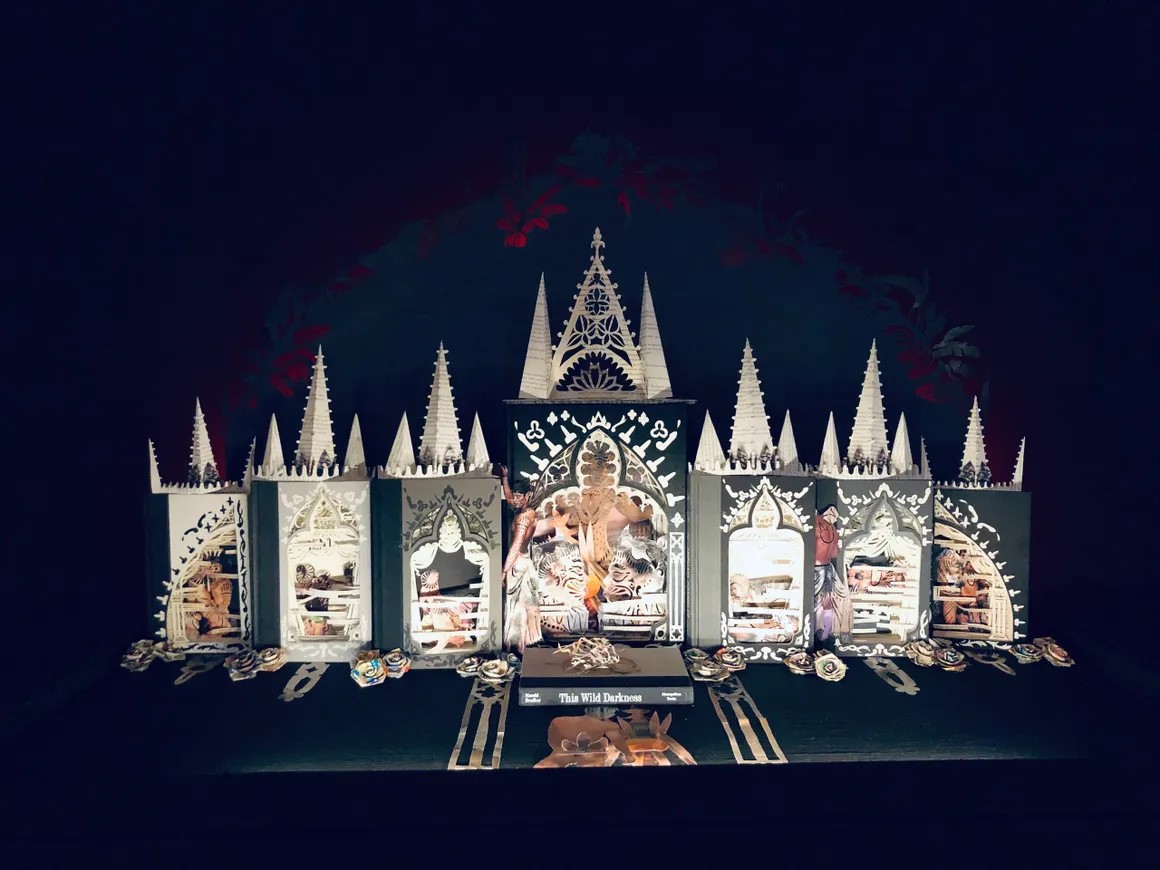
    Canadian-Filipino artist Julius Poncelet Manapul is an influential queer artist. The exhibition Sila/Siya/Ako is a Tagalog translation of they/them/me. It focuses on the Spanish colonization and how the Catholic religion has influenced the people of Philippines for the last few hundred years. In this exhibition Manapul aims to show the journey of a Filipinx-queer (himself among them) and how they must present themselves in a society that only accepts the masculine white male persona. His work is centered around his personal identity.

    Manapul’s staged scene is magnificent. Upon walking into the room, I felt a sense of excitement and energy. I was awe-struck by the creativity and magic involved in producing such funny and unique pieces. It is a beautiful and eloquent exhibition. Julius Poncelet Manapul’s life story, and his latest installation at A Space, let us peak into his personal identity, showing himself as he truly is. I found the work inspirational and motivating, and, as a writer and occasional painter/sketcher, I found the meaning and passion behind it quite mesmerizing and influential.

    Installation view of Sila/Siya/Ako at the main gallery of A Space

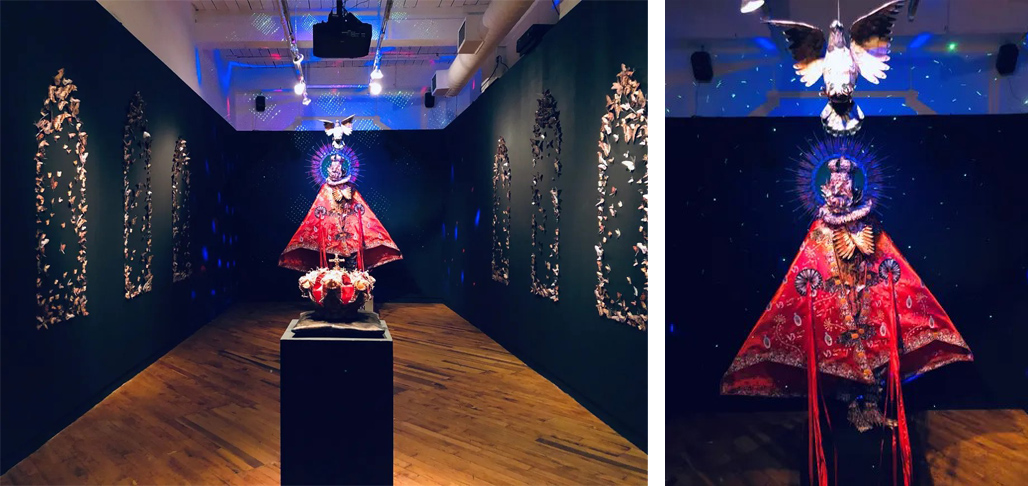
    Manapul has created a theatrical Catholic church-meets-early-Y2K gay dance club in the gallery’s smaller room. This church/club represents the holy trinity: God the Father, the Son, and the Holy Spirit. Religion—and the misuse of it by the Spanish colonizers—became the framework and main theme of the exhibition. The holiday on the third Sunday of January celebrates Santo Nino, and because the ‘holy child’ is genderless, queer people can join the festivities celebrating its holiday, even being able to making fun of the religious norms. In Manapul’s installation the baby Jesus is grown up and wearing a red coat, covered by queer symbols. The windows of the chapel/bar are made of butterflies, another gay motif. The result is a rather strange and challenging juxtaposition of Catholic and queer imagery.

    Installation view of Sila/Siya/Ako showing the church/club with the mannequin of the Holy Trinity (left) and the Holy Trinity (right)

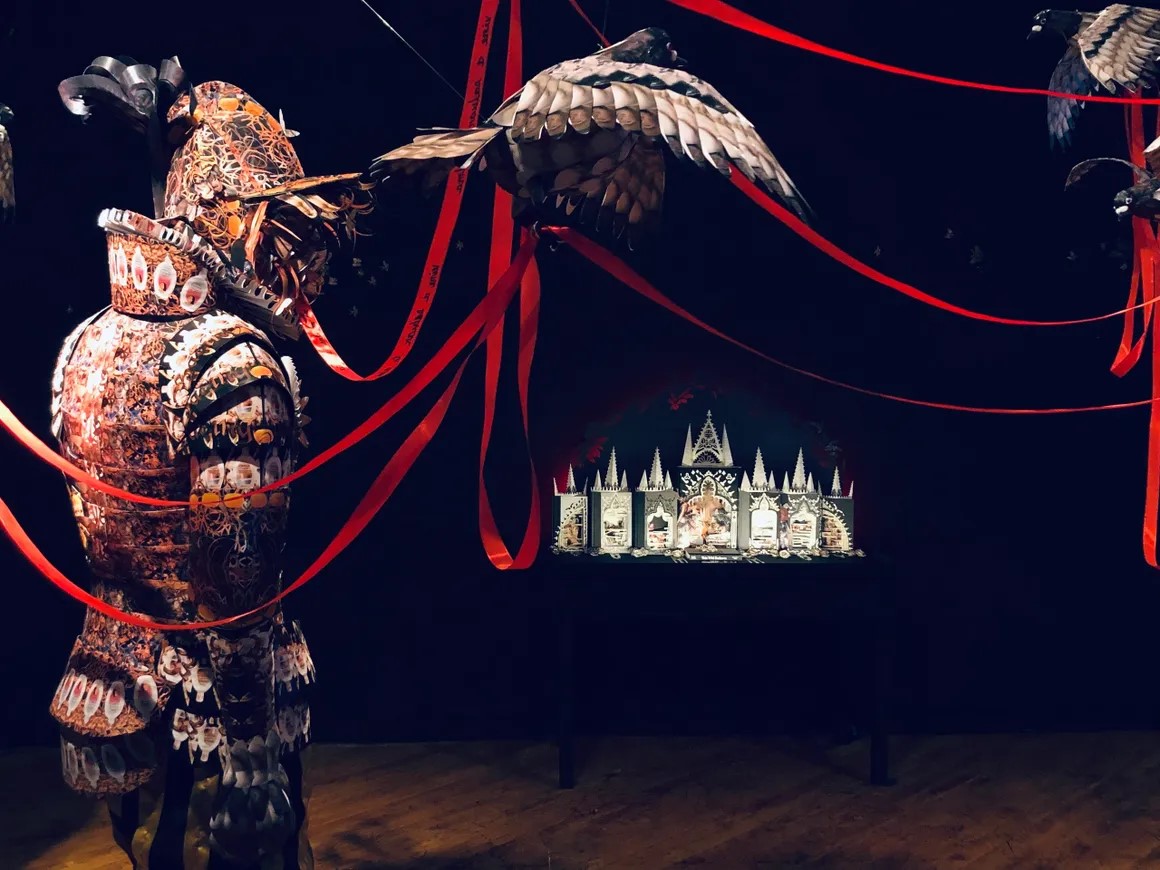
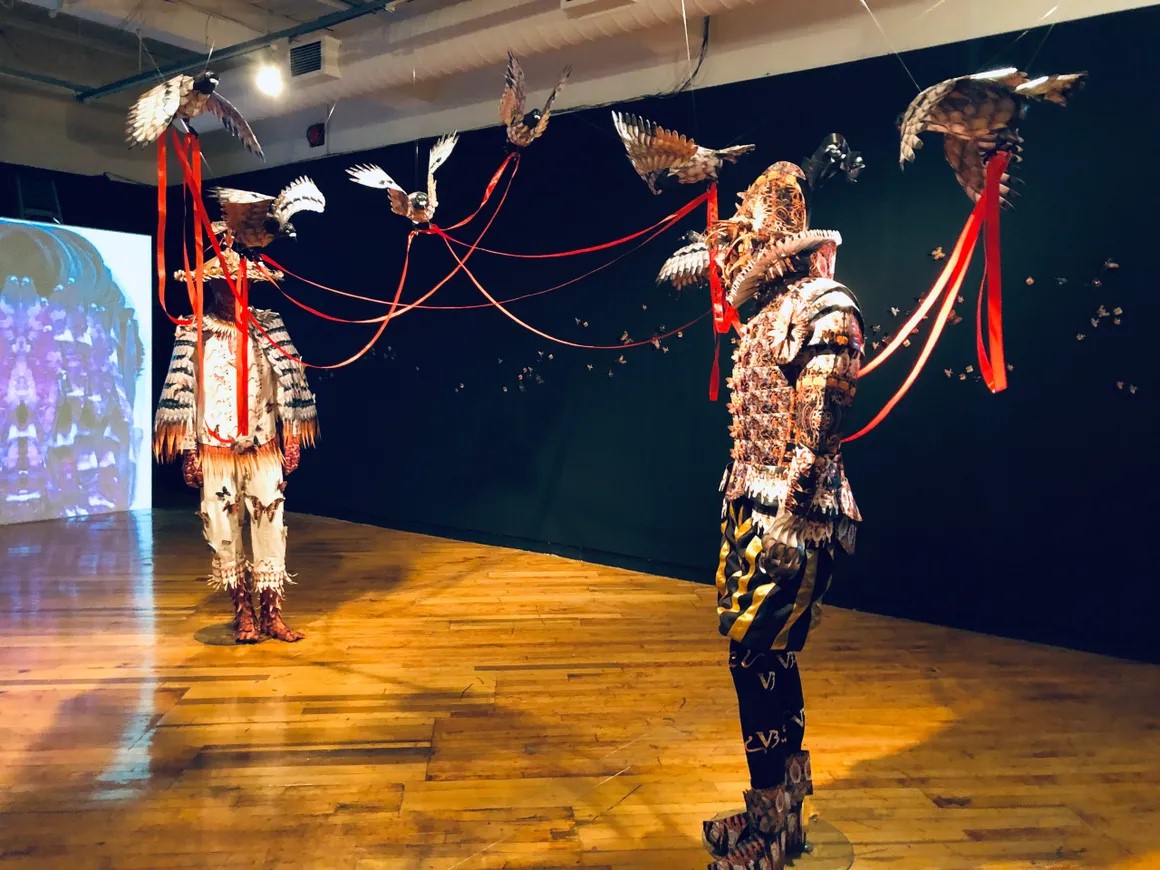
    The other two mannequins, the Spanish conquistador and the Philippines native, are surrounded by pigeons. The conquistador—a symbol of paternalism and the white knight syndrome—wears an artful replica of King Philip II’s armor but, as the armor is made of paper, it is useless and can no longer protect. Opposite him stands the indios who represents ancestral knowledge and culture. All of the mannequins were designed using hand-crafted paper motifs based on their relation to erotic imagery and Philippine symbols. The accompanying pigeons are made of paper feathers that even go as far as to cover their faces. This is a nod to the controversial Philippine entertainment known as cockfighting or sabong. Two roosters are placed against one another in a pit and bets are placed as to which one will come out on top. This is considered a literal blood sport, and metaphorically speaking it indexes colonial violence.

    Installation view of Sila/Siya/Ako with the mannequins of the Philippines native (left) and the Spanish conquistador (right) with pigeons carrying ribbons (in between)

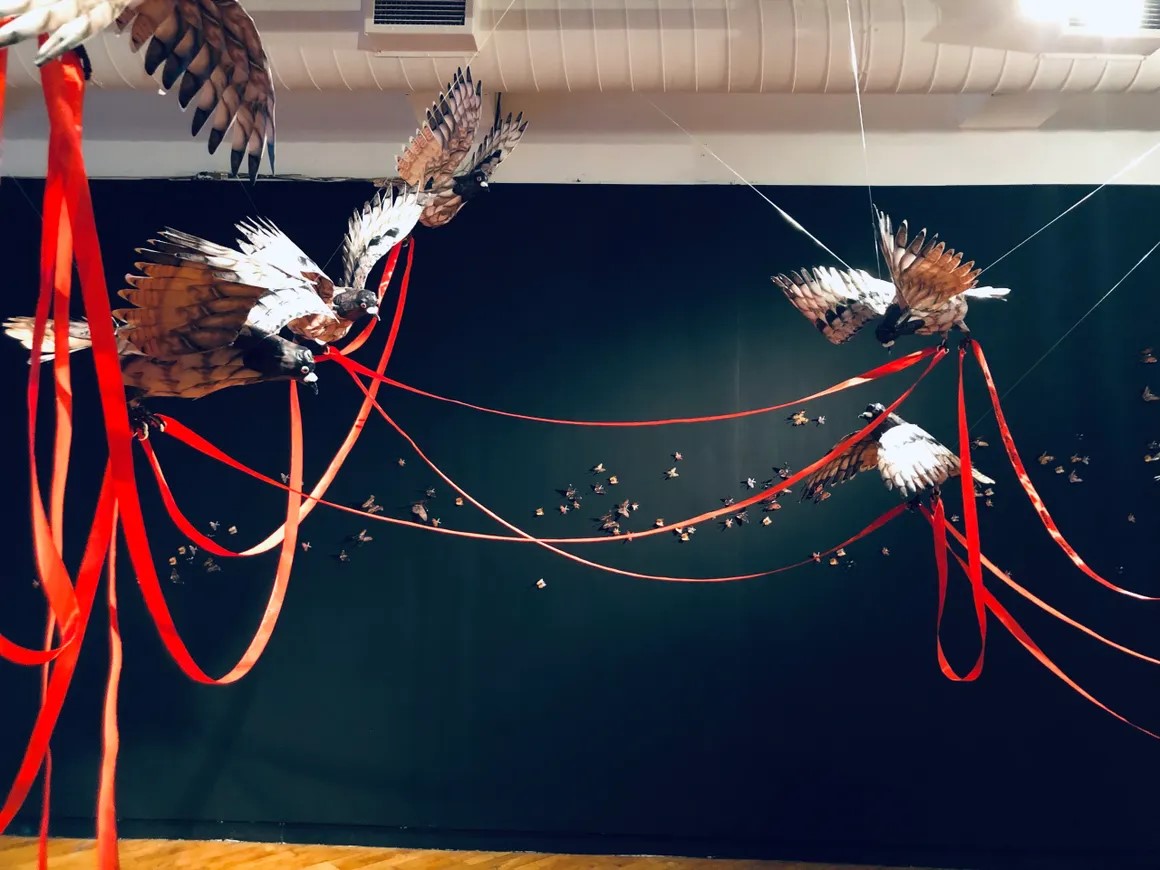
    Each pigeon in the exhibition is unique. They give the illusion of flight as they are able to spread their wings. Looking at them I felt a sense of freedom and also longing. The metaphorical meaning of the grey pigeon is persistence, harmony, forgiveness, and freedom. The ribbons the birds carry speak that of, “dumating ka para sakupin ako” (you came to conquer me) and “vine a salvar tu alma” (I came to save your soul). This is a clear representation of the fight for freedom and the power of persistence. There are commonly groups of pigeons seen in plazas, at the front of churches and they often nest on the roofs of those buildings. As someone who makes metaphorical connections to everything, Manapul captured the commonness of the bird while still shown its connection to the exhibition’s religious theme.

    Installation view of Sila/Siya/Ako with the pigeons carrying ribbons

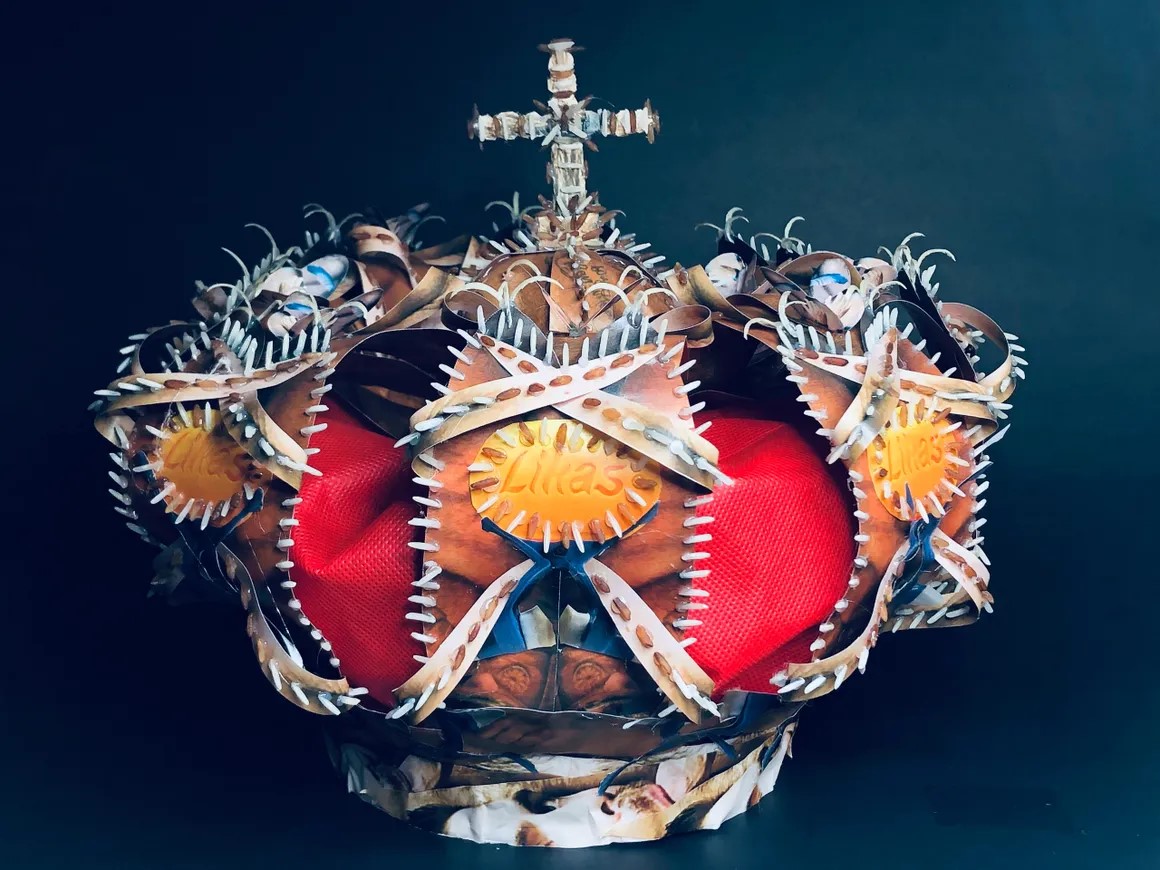
    The king’s crown is one of my favorite pieces, not only for its artistic beauty but its hidden meaning as well. With the show being an expression of self in relation to religion and imperial power, the gallery’s rooms takes gay dance clubs to a whole new level. It makes the crown a symbol of mockery to the concept of colonialism and where it’s taken them today.

    Installation view of Sila/Siya/Ako with crown

    There is a folding-altar-like piece that reminds me of fairytales and “Once upon a time…” came to mind. Every country, community, and culture has its own tales that represent them. Manapul uses their themes to further develop the ideas of their journey and even mock those traditional stories. This piece brought me back to my childhood while also giving me a laugh and made me recognize how ironic and linear fairytales truly are.

    Installation view of Sila/Siya/Ako

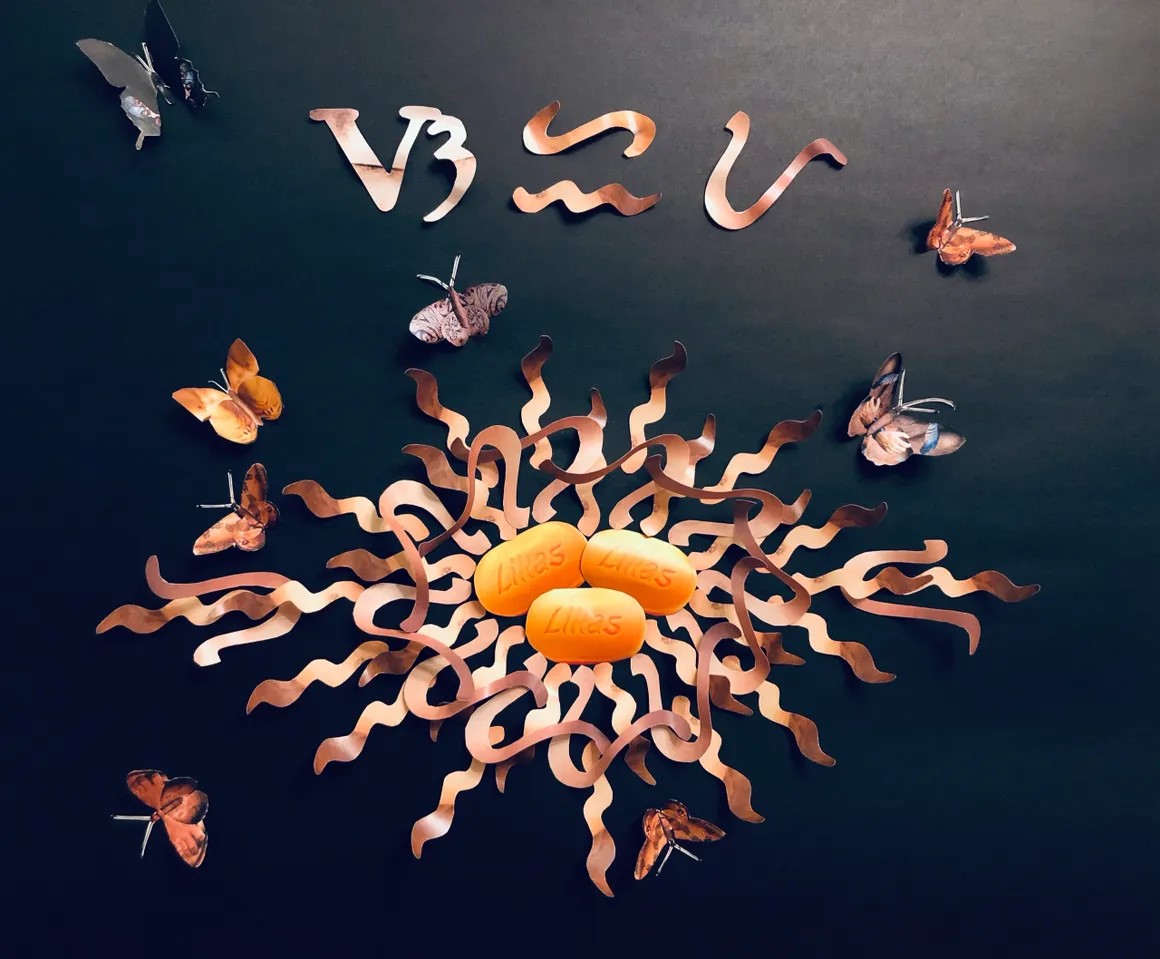
    This flower-shaped piece is a representation of the concept of physical appearances. In its center is a particular lotion commonly used in the Philippines to lighten one’s complexion. It draws attention to strict standards from the 16th to 19th century that expected Philippine citizens to have lighter skins and those practices are still common.

    Installation view of Sila/Siya/Ako with flower-shaped object with skin lotion in its center

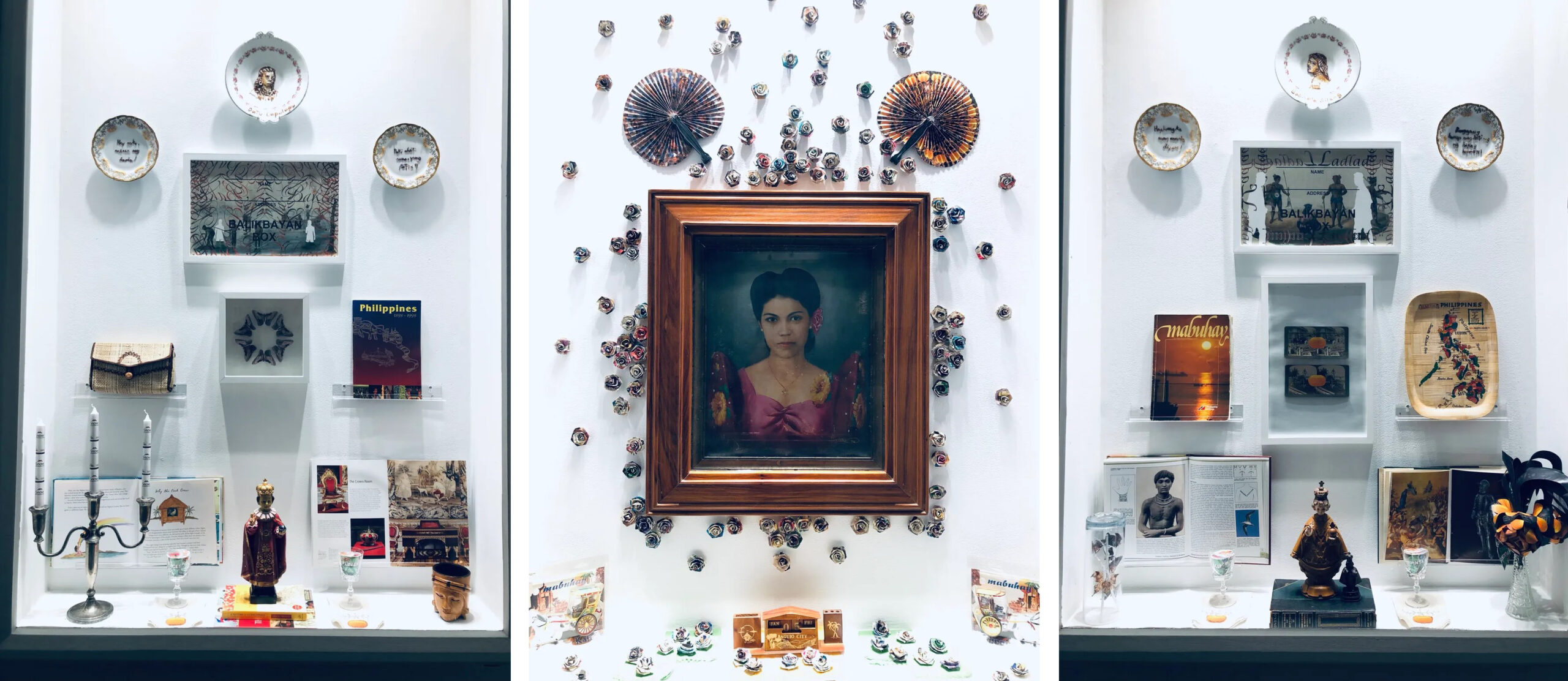
    The objects in the windows outside the main gallery are more culture related. They are a collection of curated objects from the past decades, including history books, souvenirs from the Philippines, religious iconography, and Manapul’s own personal archive of items—making them a kind of museum. They are eye-catching objects and looking at them feels like traveling to the country itself, experiencing those items firsthand and getting a chance to see and learn about this different culture.

    Views of the windows outside the main gallery

    While this time around I wasn’t able to meet the artist, the beauty of this exhibition gave me a gift I will always remember. If you love learning about different cultures while also being mesmerized by stunning artworks go to Sila/Siya/Ako, learn its lesson and enjoy its beauty.

    Cassandra Johnson

    All images are courtesy of the artist.

    *Exhibition information: Julius Poncelet Manapul, Sila/Siya/Ako, January 5 – April 27, 2024, A Space Main Gallery, A Space Windows, 401 Richmond St. W. Toronto. Gallery hours: Tuesday to Friday 11am – 5pm, Saturday 12 – 5pm.

  • Shezad Dawood at the Aga Khan Museum

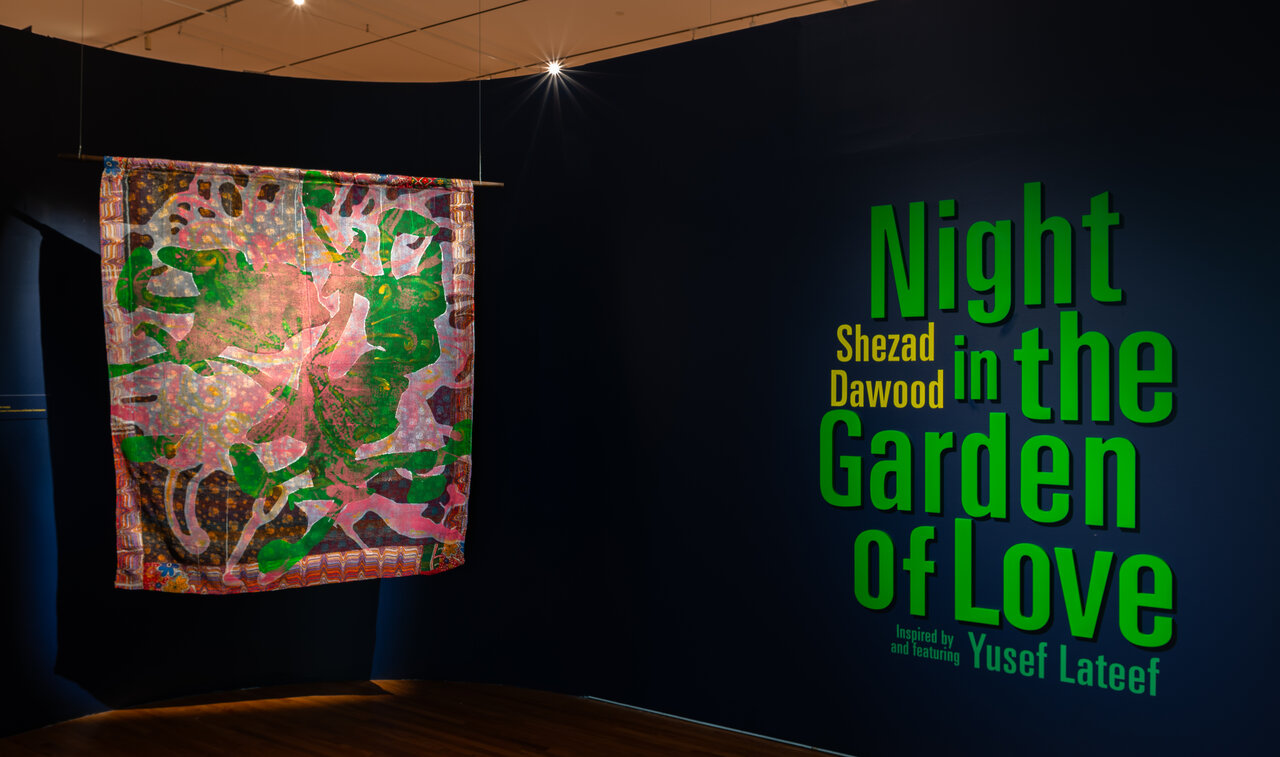
    Shezad Dawood: Night in the Garden of Love is a multisensory exhibition that not only awakes all of our senses in unexpected ways but also evokes critical questions about our experiences with climate change and how we represent it through music, literature, and art. Contemporary artist Shezad Dawood was inspired by a cli-fi novella, (also known as climate fiction or ecological sci-fi) “Night in the Garden of Love” (1988) written by Dr. Yusef Lateef (1920-2013), an African-American Muslim musician, award-winning composer, author, and philosopher. Lateef introduced new sounds that came from many regions around the globe. Lateef was a pioneer who played ‘world music’ before it even had a name, and blended ‘jazz’ into his music as well.

    Lateef’s novella, “Night in the Garden of Love” is a story that is set on Earth in the future. It is a wonderous mixture of lyrical imagery, involving a variety of forms to further empower it. Both Lateef and Dawood find a common interest in the symbolism of the garden in Islamic cultures and cultures in general, presenting the garden as a space for reflection and where we can find a better understanding of our purpose and place on earth.

    The entrance to the exhibition. Courtesy of the Aga Khan Museum 2023 Photography © Aly Manji

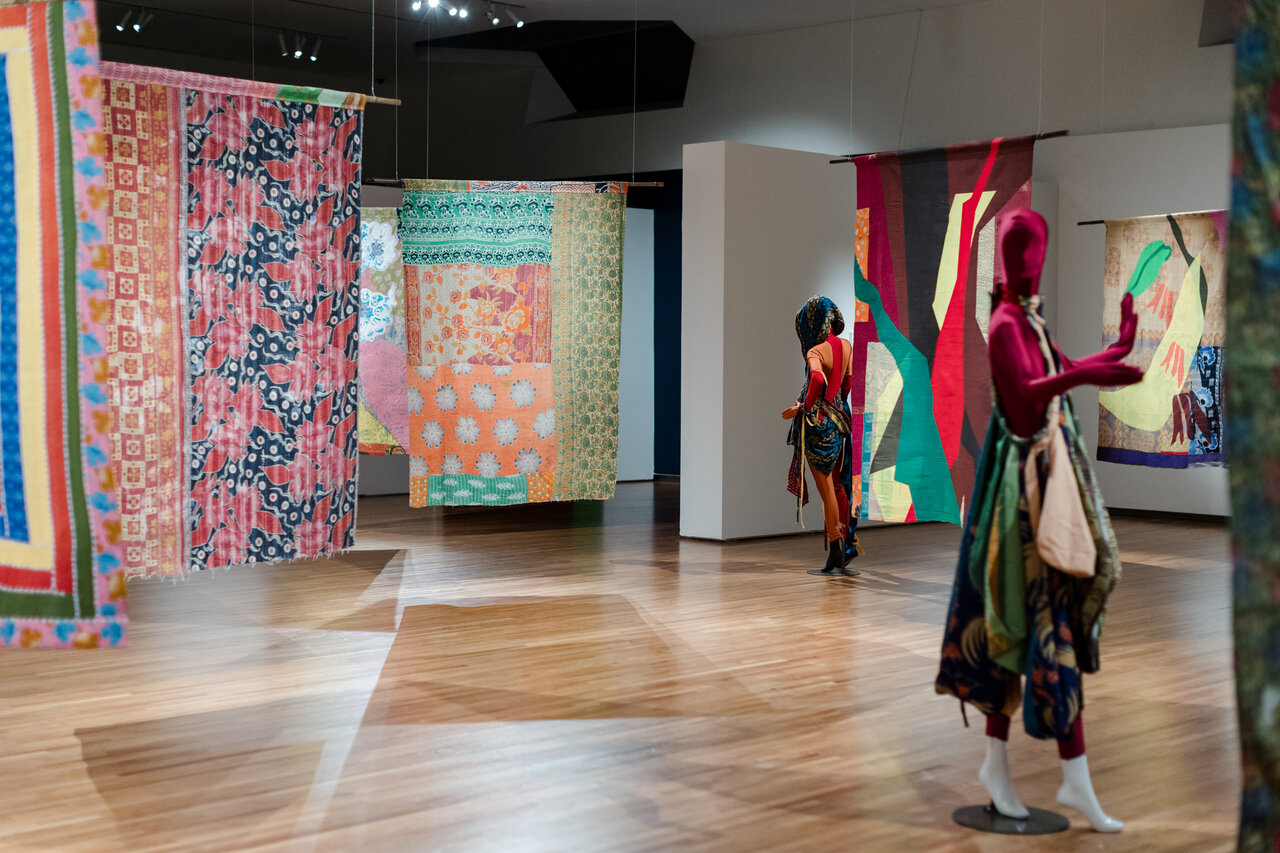
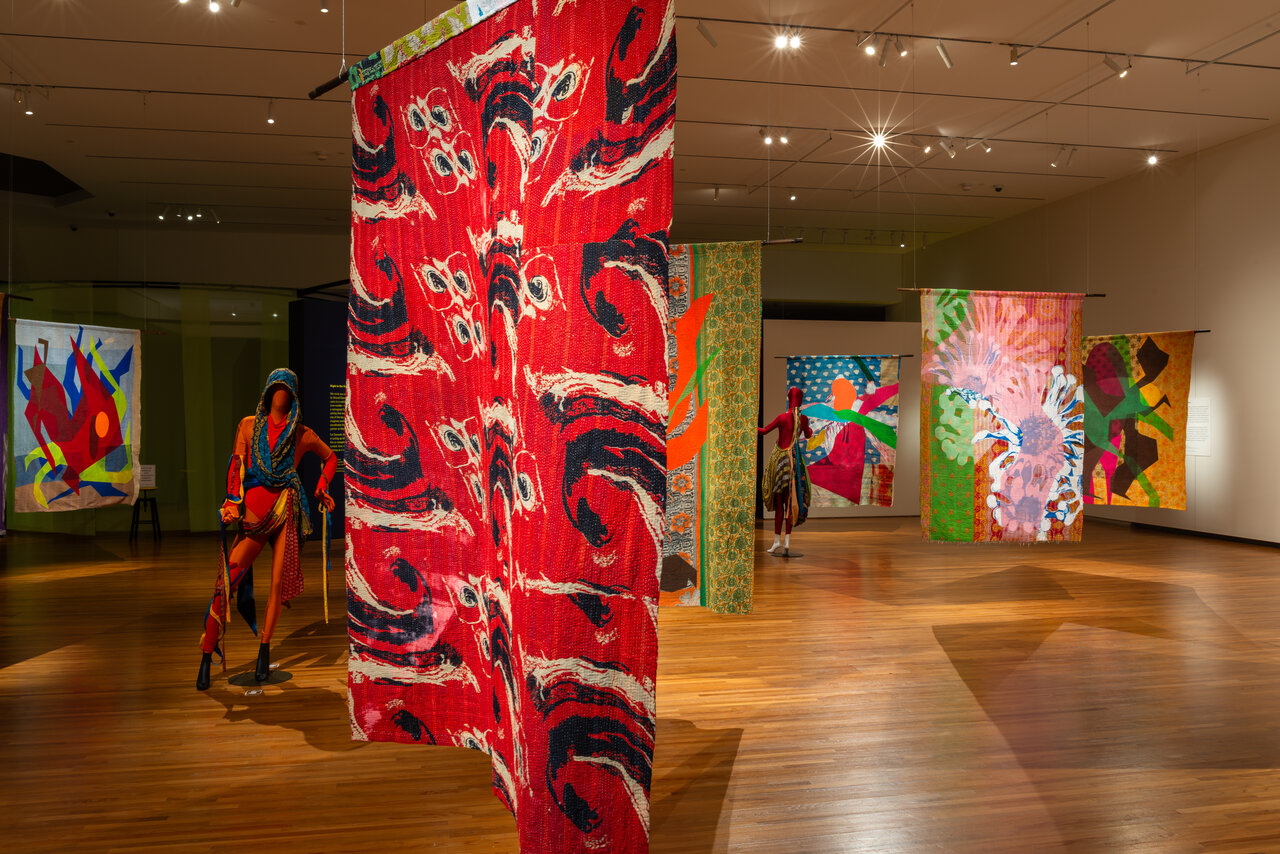
    Entering the exhibition, you’ll find yourself walking through a map of vintage textile hangings by Shezad Dawood alongside drawings by Yusef Lateef, works that Dawood found himself fascinated with, along with Yusef’s decades of musical impact. Dawood describes the combination of these painted textiles and other art forms in the exhibition as call-and-response to Lateef’s music, novella, and drawings.

    Installation view with Shezad Dawood textiles and Priya Ahluwalia’s designs of Mutant Dancers. Courtesy of the Aga Khan Museum 2023 Photography © Aly Manji

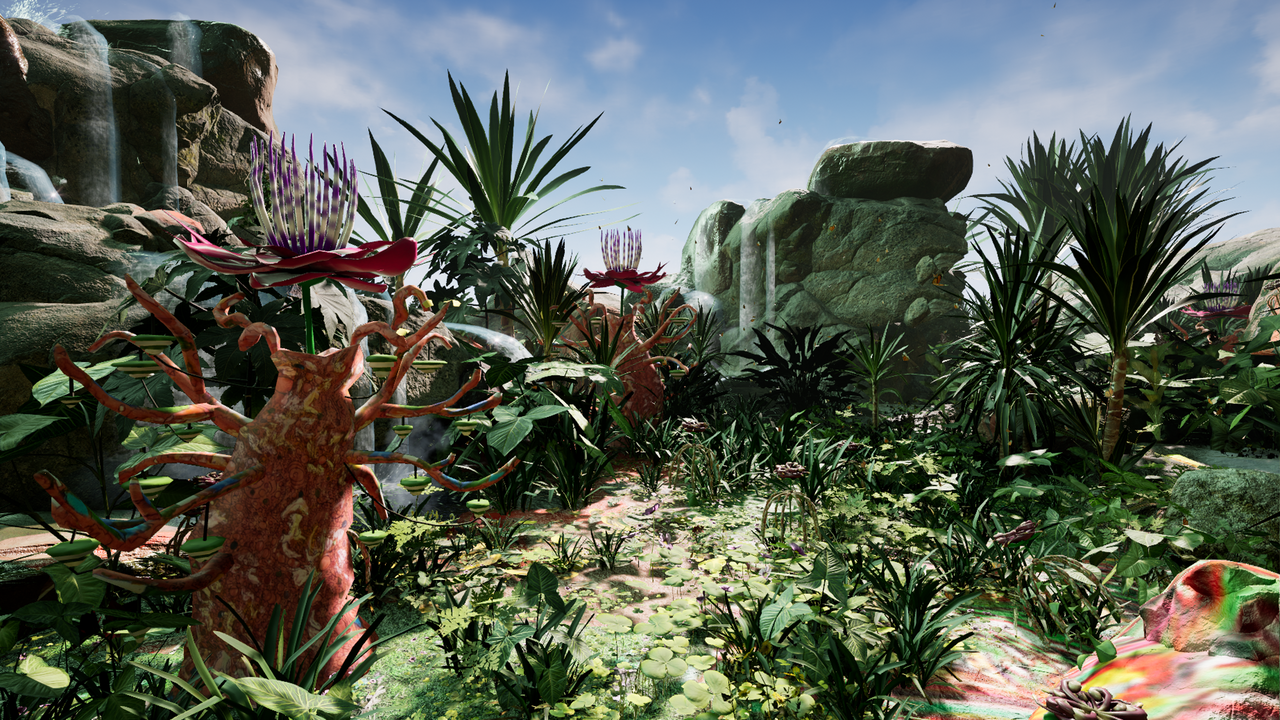
    As you enter the ‘call and response’ area, you will notice the metaphor of the garden beginning to emerge. You are surrounded not only by the combination of Dawood’s work and Lateef’s remarkable drawings based on his musical scores but also by other media talents like fashion designers, immersive film and VR technicians, along with many more exciting performances and pieces provided by the Aga Khan Museum. The character is known as the Mutant from Lateef’s novella. You can also see the Dancing Mutant (performed by Wan-Lun Yu in a 12-minute VR (virtual realty) experience, produced by UBIK Productions and co-commissioned by WIELS in Brussels and the Aga Khan Museum, Toronto. The themes and characters from Lateef’s novella fill every corner of the space.

    Shezad Dawood, Night in the Garden of Love, (VR) 2023, duration variable. Courtesy of the artist. Produced by UBIK Productions. Co-commissioned by WIELS, Brussels and Aga Khan Museum, Toronto.

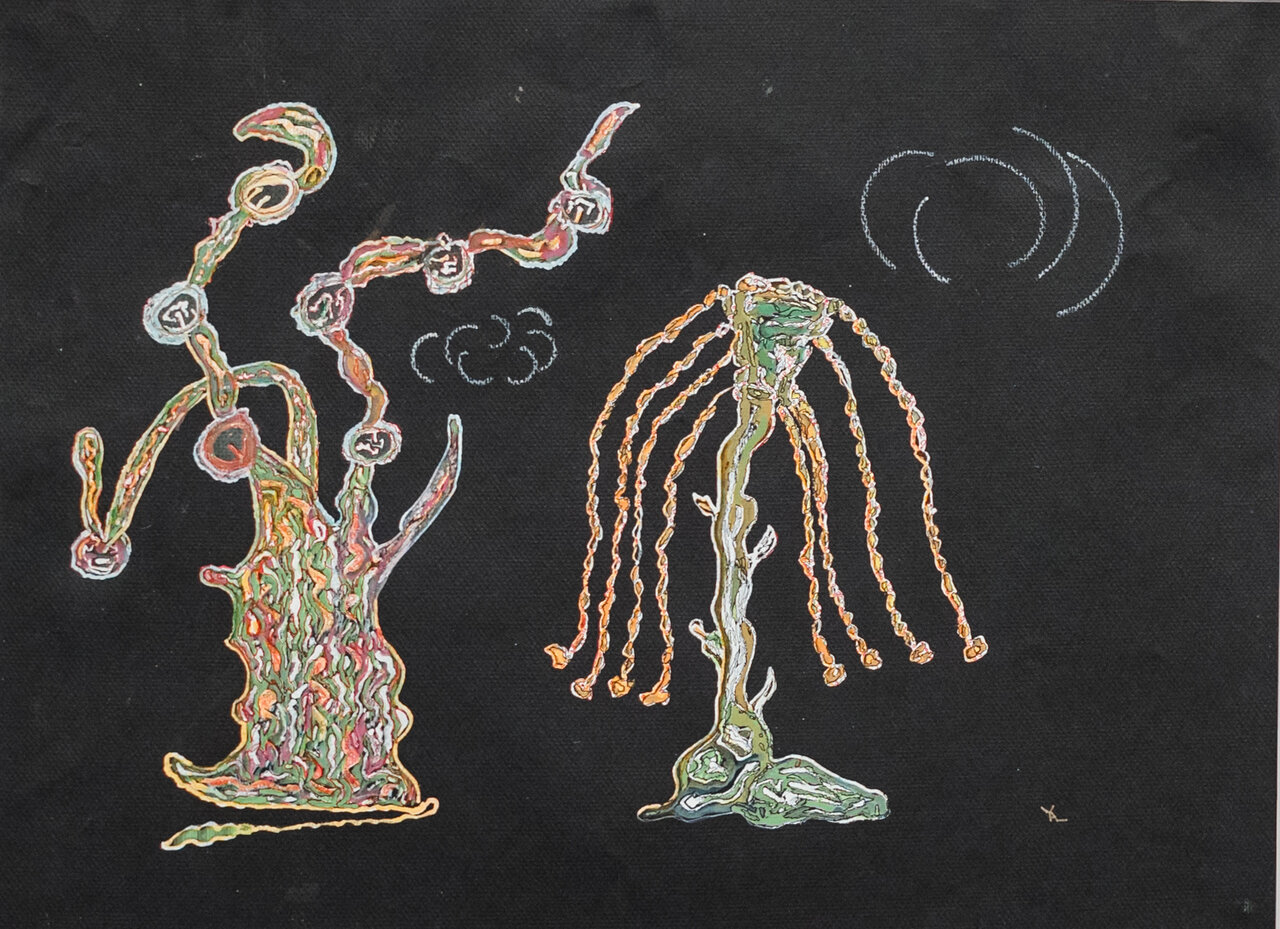
    Dawood has opened a garden full of creative, futuristic, and intercultural conversations, and an invitation to contemplate global issues in a healing way. This exhibition celebrates Lateef’s legacy. The dynamic, how Dawood describes “symphony,” is a new way of thinking about music and art. Lateef’s storytelling abilities demonstrate the process in a fictional setting. His drawings are mostly “untitled” because it is never about the visual outcome but rather about the artist’s journey and daily practice of planting. His work is creative and multi-sensory and meant to lead to a progressive change in our relationship to nature.

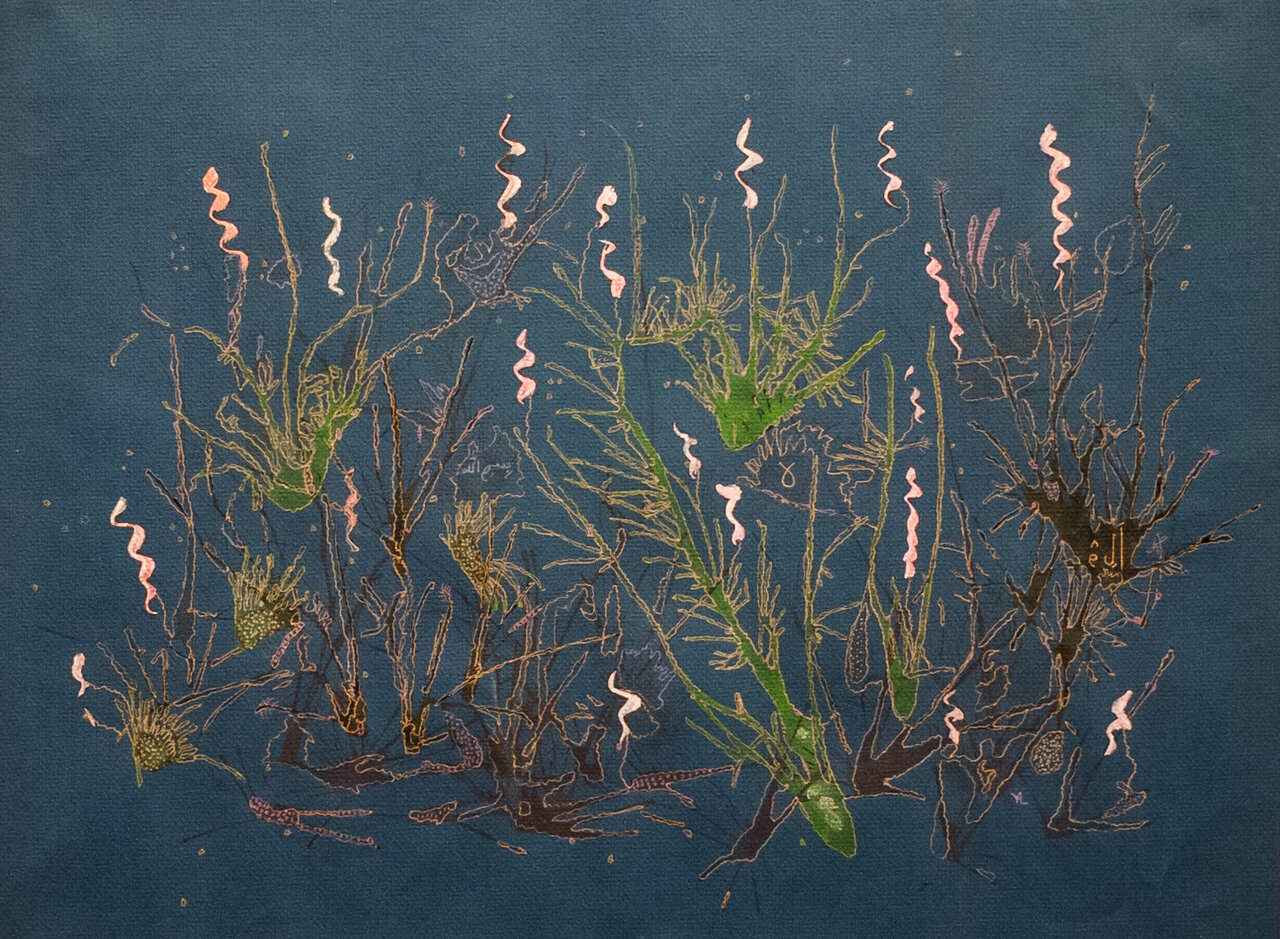
    Yusef Lateef, Untitled (Night in the Sea of Love) N.D. watercolour, acrylic, metallics. Courtesy of the Aga Khan Museum 2023 Photography © Aly Manji

    One of Lateef’s drawings, “Untitled (Night in the Sea of Love)”, is located right before you enter the greater hall showing his work. All of his artwork depicts his interest in organic forms. Later in the exhibition, you will see these forms in seven algorithmically generated plants responding to a new musical score inspired by Lateef. The 16 exhibited drawings by Lateef’s are mixed-media explorations of his music, his spirituality and the physical world around him. The focus of these works is the free form; he uses the same method in his drawings as in his written work. For him the process of the creation of the work is more important than the result. He intends to show how quickly everything changes and transforms, depending on what we do to nature with our hands and how we use resources that are available.

    Yusef Lateef, Untitled (Night in the Garden of Love), acrylic, chalk and watercolor on paper. Courtesy of the Aga Khan Museum 2023 Photography © Aly Manji

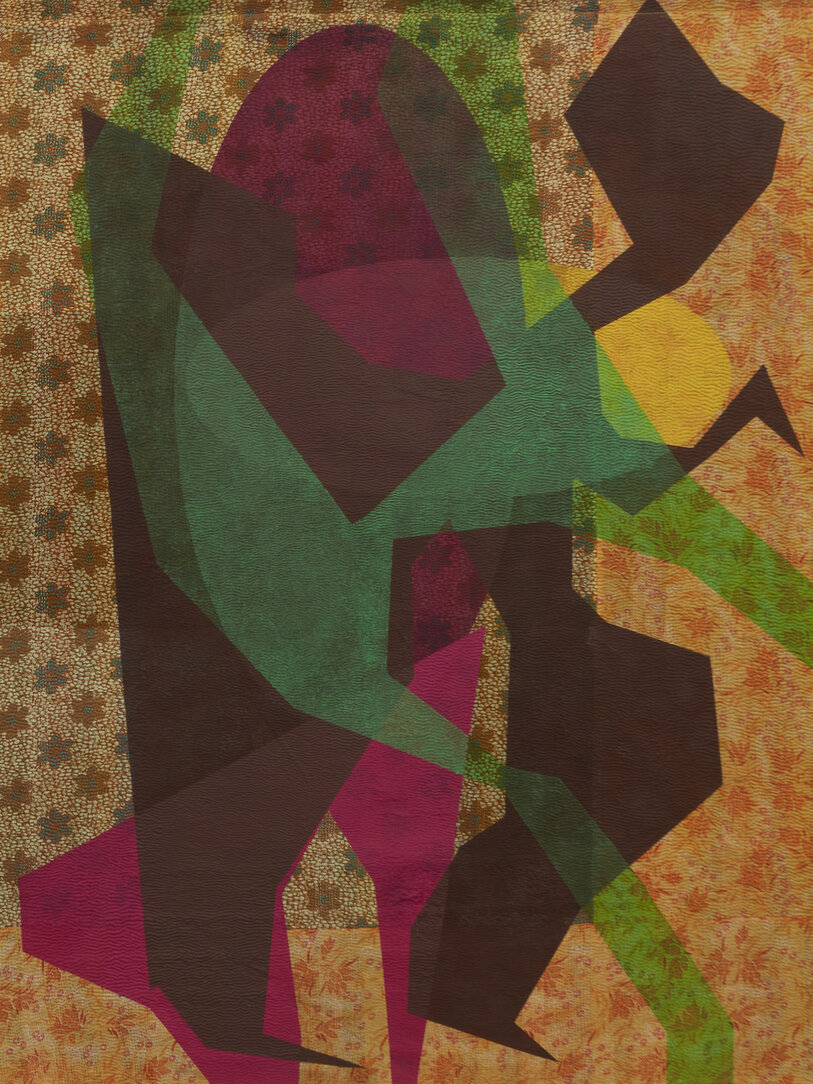
    Dawood painted the Mutant Dancer and then collaborated with Priya Ahluwalia, a UK-based designer, on the costume sculptures, including Mutant Dancer 1 and 2. They are made from Dawood’s textile archive of repurposed vintage fabrics collected from the 70’s. Here the colours, patterns and textiles combine to create a contemporary dance, embracing the idea of harmonious partnership of revival and survival in a constantly changing world.

    Shezad Dawood, Mutant Dancer, 2023, acrylic on vintage textile hanging. Courtesy of the Aga Khan Museum 2023 Photography © Aly Manji

    Installation view with Shezad Dawood textiles and Priya Ahluwalia’s designs of Mutant Dancers. Courtesy of the Aga Khan Museum 2023 Photography © Aly Manji

    While continuing to draw themes from Lateef’s novella, Dawood’s also fills the museum’s space with an irresistible scent of AI-generated perfumes, interactive sound installation and a breathtaking VR experience that tells the story of “Night in the Garden of Love” by incorporating enchanting new mediums and endless artistic possibilities.

    Polyna Alexseev

    *Exhibition information: Shezad Dawood: Night in the Garden of Love, November 10, 2023 – May 5, 2024, Aga Khan Museum, 77 Wynford Drive, Toronto. Museum hours: Tuesday to Sunday, 10 am – 5:30 pm (Wednesday until 8 pm).

  • Artist Project 2024 / My favourites

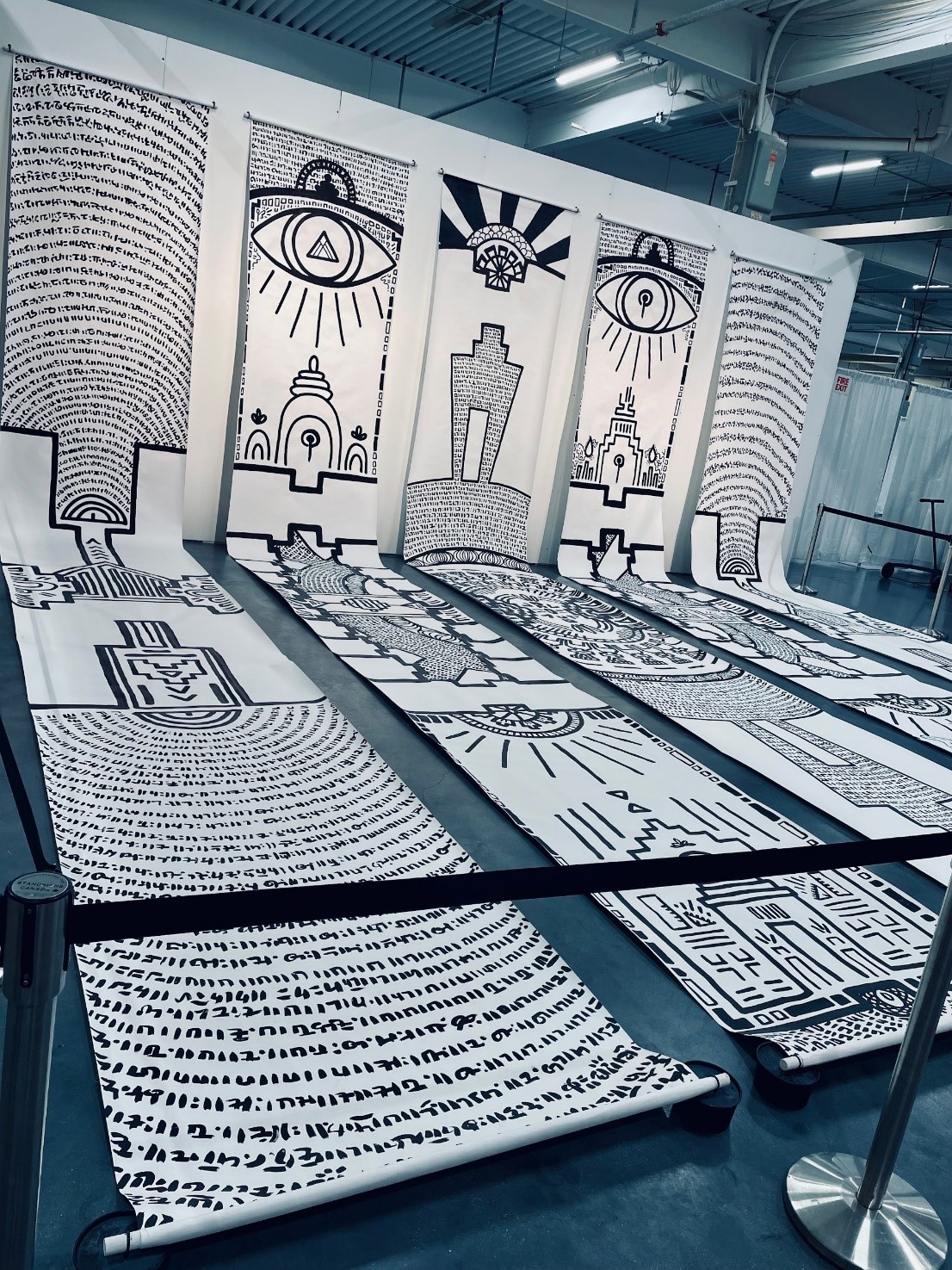
    Nimea Ariana embraces kaleidoscopic visions that awaken her sense of existence through the metaphysical, metaphorical, and meditational. Her installation invites visitors to unravel a profound spiritual experience by taking a moment and losing themselves in its multidisciplinary approach and graffiti aesthetic. Her work focuses on exploring the multidimensional layers of our consciousness.

    Nimea Ariana, A Journey Into The Unknown, 2019-2024, acrylic on paper, wooden dowels

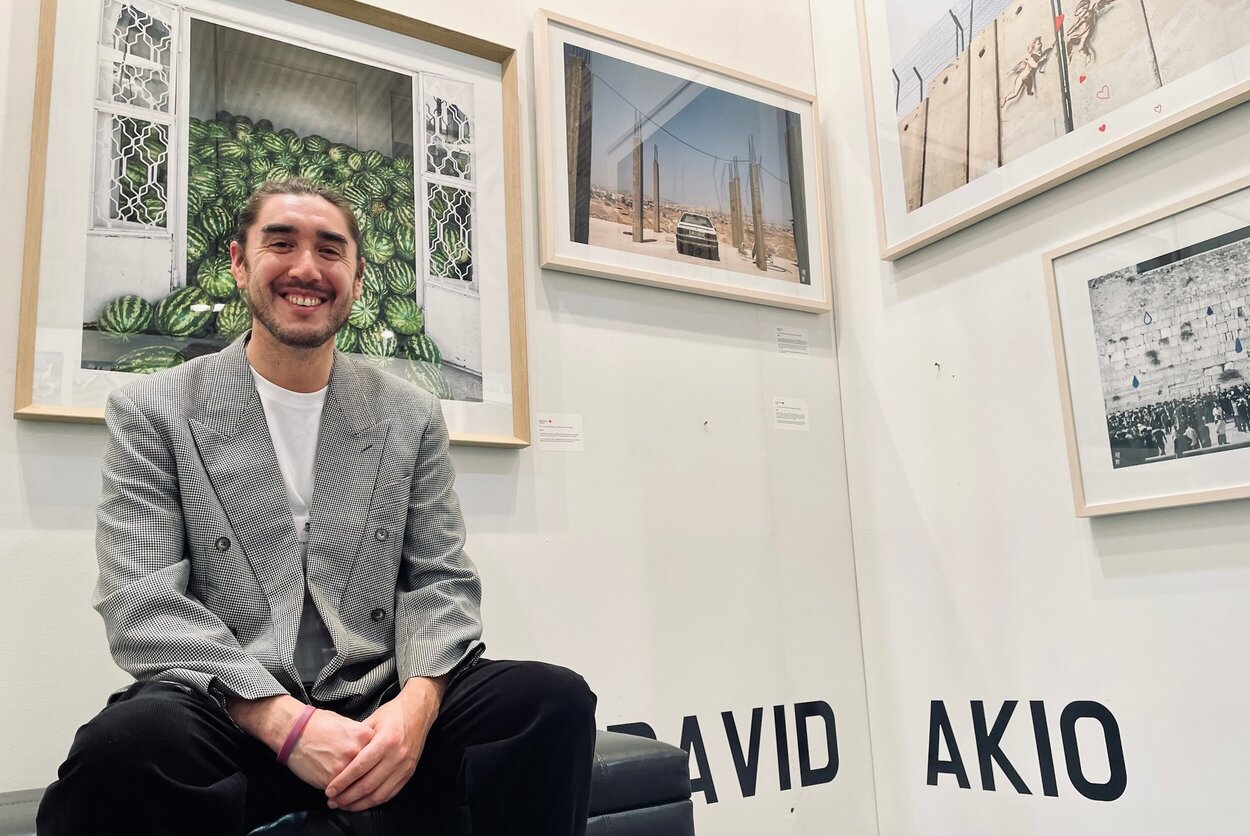
    David Akio Grant is a photographer who travels a lot, having extraordinary experiences, and creating stories filled with kindness. Neither Palestinian nor Israeli, not even Jewish or Muslim, David notes that of course, it is easy for him to stay neutral in this complicated conflict. However, this does not stop him from learning the culture and history of the region through his lens. David also adds embroidery art in his prints, inspired by the practice of Tatreez, a Palestinian embroidery tradition. David considers himself privileged to travel freely in both of those territories.

    David Akio Grant in front of his works

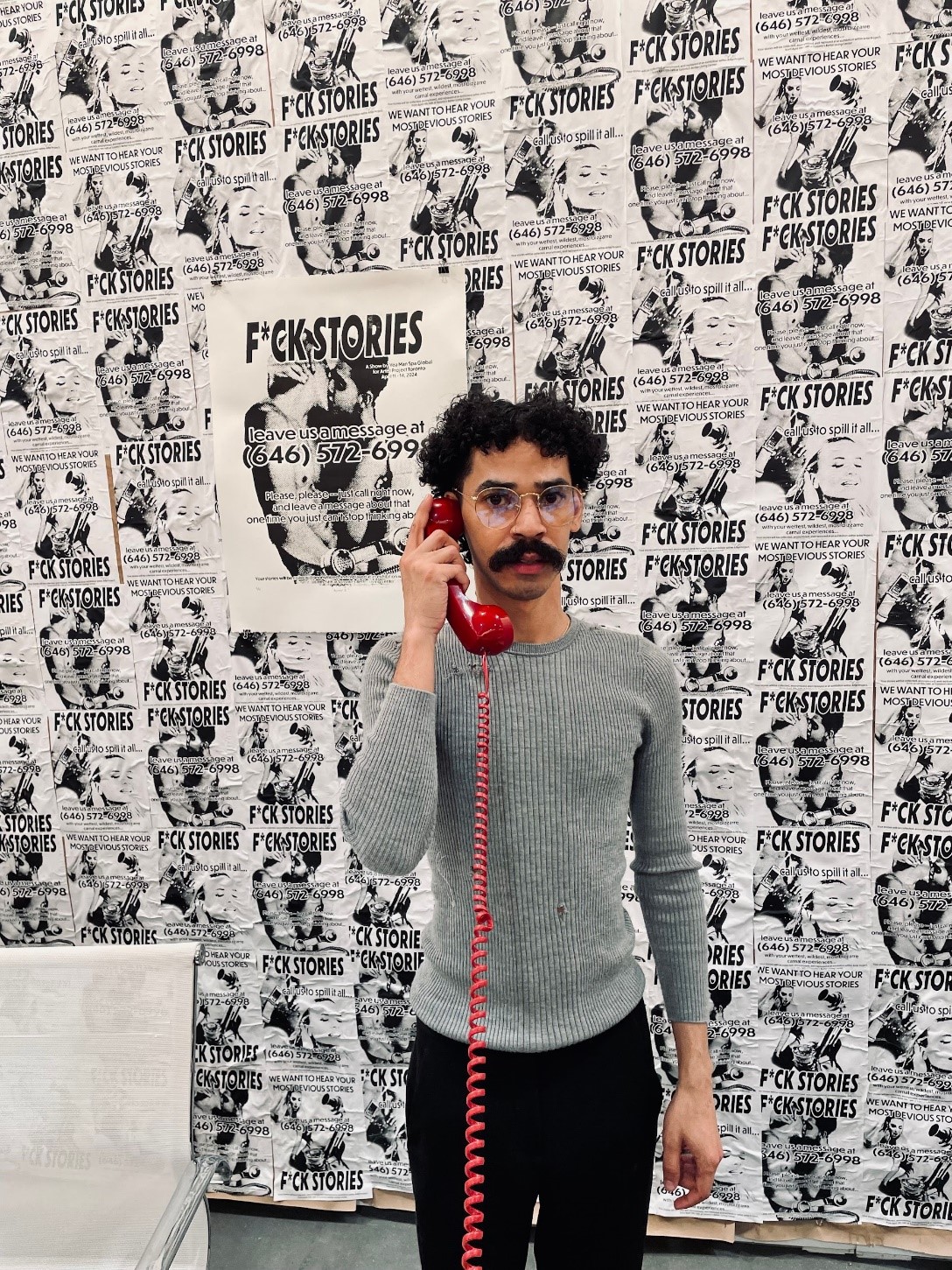
    Operating in two locations, Toronto and New York, 24/7 callers may leave a message up to three minutes long (do not worry, you can call back if you need more time), telling their most funny, sad, outrageous or disturbing intimate moments with current lovers, former partners or even friends with benefits. This inclusive, LGBTQAI+ installation invites everyone to participate, or just listen. No shame in sharing some spicy content to make everyone feel comfortable about their relationship needs and wants. As we speak, the line has collected roughly 50 stories.

    seth.nye on the line, listening to stories

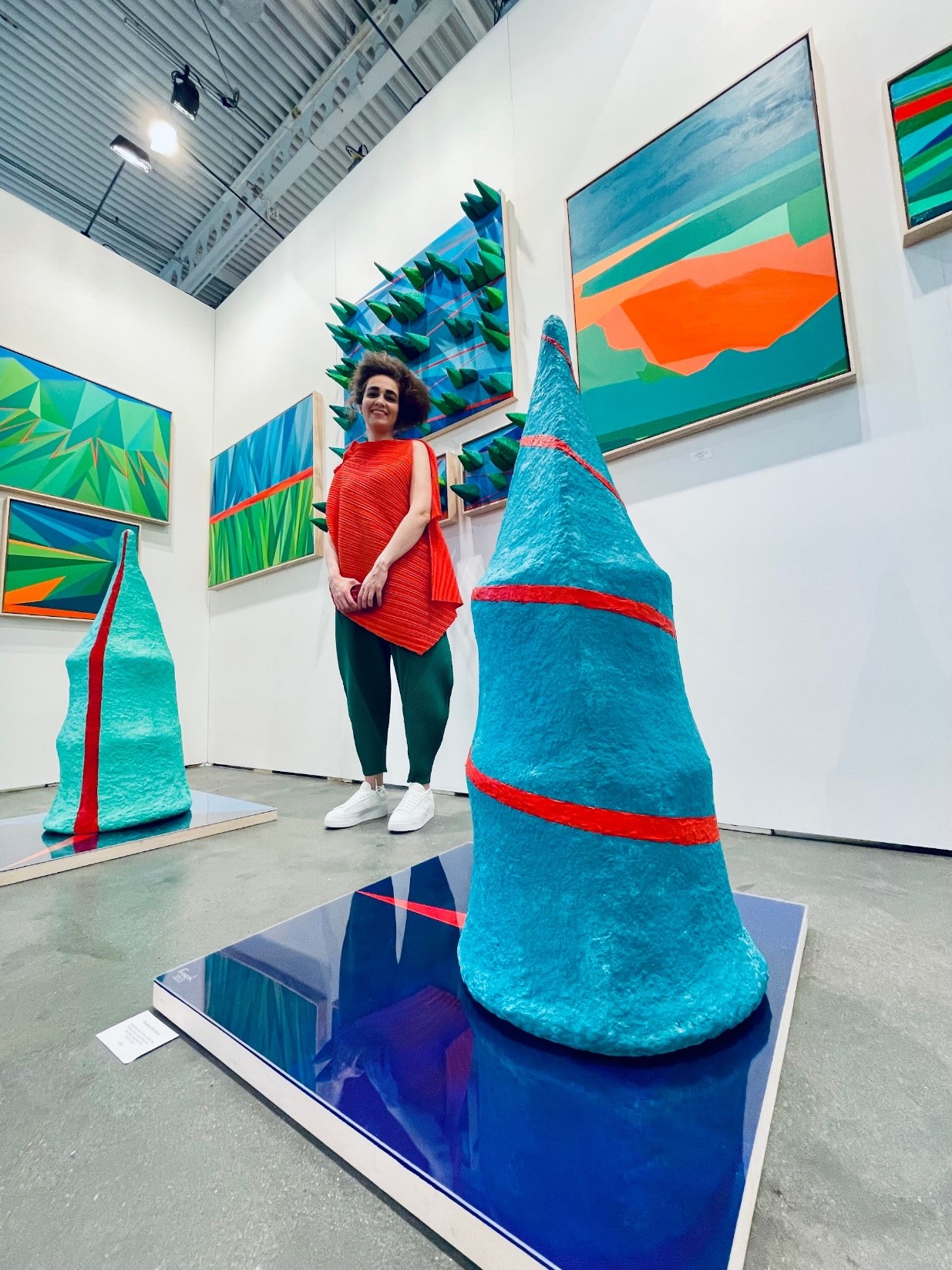
    Firouzeh Saremi Far is a multidisciplinary artist who enjoys creating 3-D canvas sculptures that make her client’s walls pop. Far enjoys knowing that her clients know how to incorporate her pieces in their own space. With a combination of blues, greens, and oranges, she brings post-modern royalty into the room with full power and positivity. Her work can be installed on all four walls, thanks to the light use of material.

    “f*ck, installation by Firouzeh Saremi Far

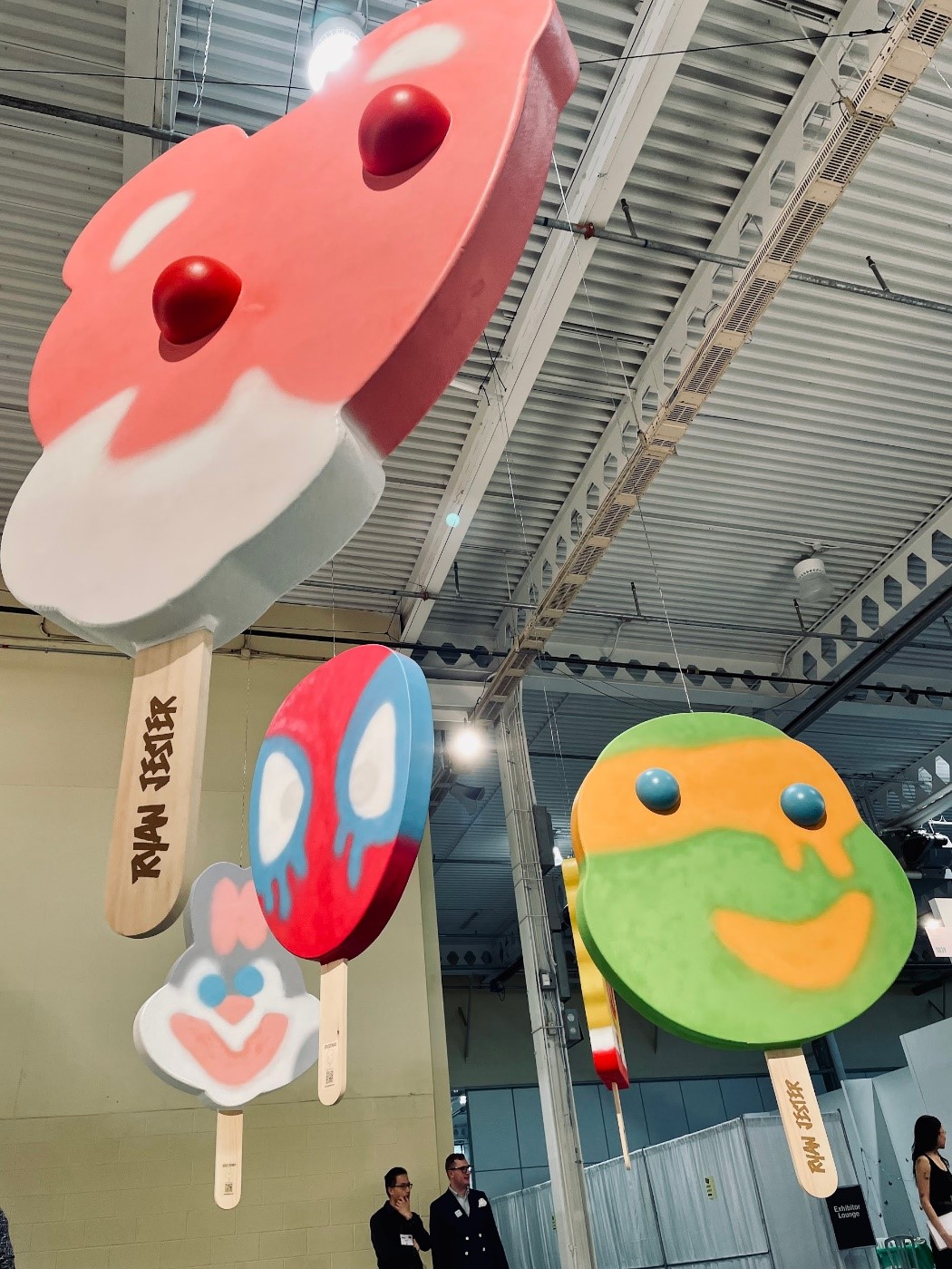
    Jester is a self-taught painter and sculptor based in Toronto. In this installation, he shares the biggest part of his childhood: cartoons. Jester plays with bright colours, forms, and juxtaposition to bring back the magical optimism of youth. Many visitors took a moment to connect with their nostalgia for hot ’90s summers, cool sprinkles, fresh-cut grass, and hope that cartoon-shaped popsicles will come back looking more recognizable than ever.

    Badsicle, 2024, mixed media installation by Ryan Jester

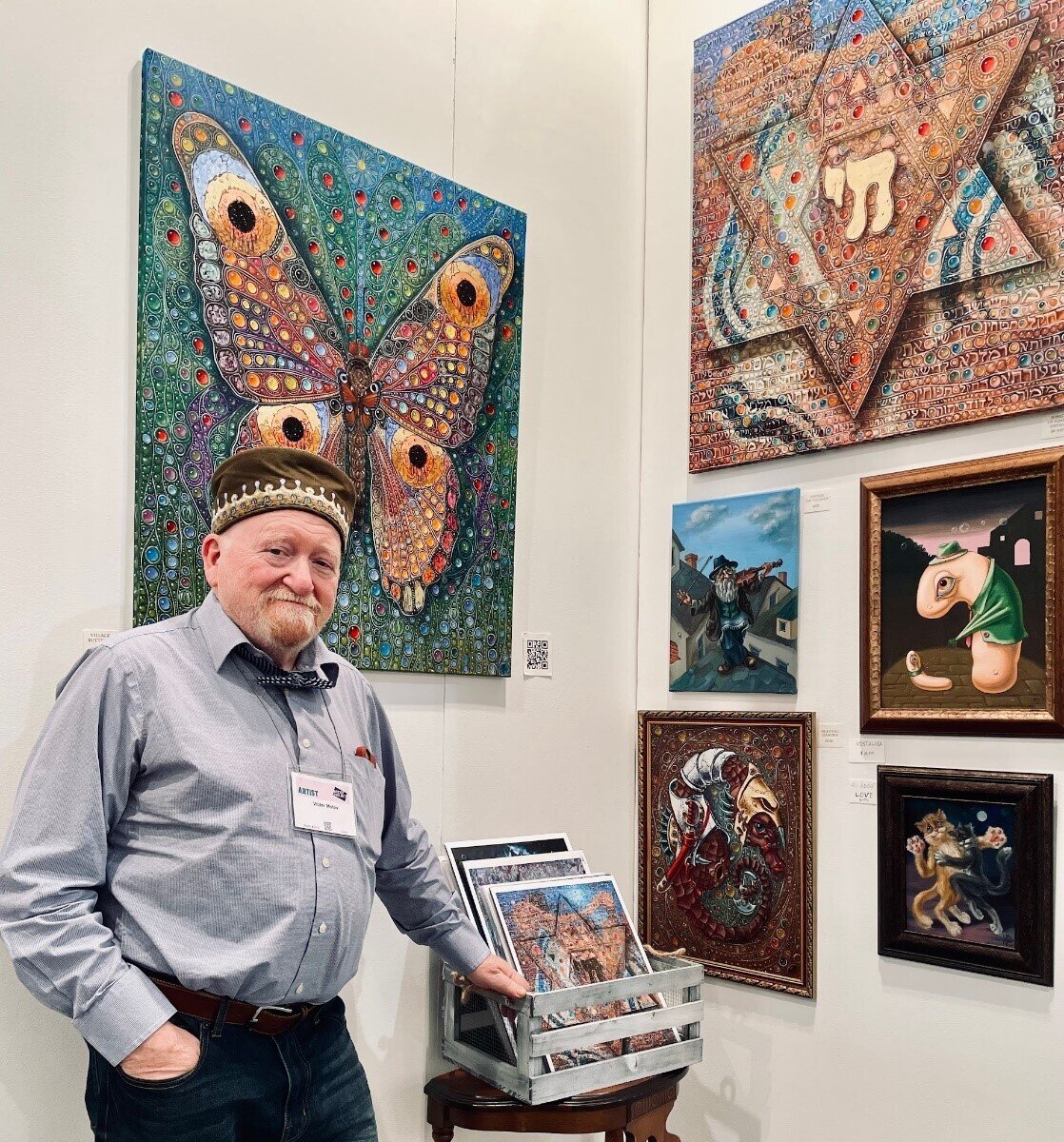
    Victor Molev is a Richmond Hill-based artist whose incredible detail in character, jewelry designs, and fantasy-themed drawings has captivated many. Molev paints portraits, jewelry ornaments, fantastic cities and landscapes and even creates Jewish-themed pieces. Molev enjoys contributing to children’s books as well. Victor Molev Gallery has an open house coming up soon on May 4th, 2024.

    Victor Molev in his booth

    Text and photo: Polyna Alekseev

    *Artist Project, April 11 – 14, 2024, Better Living Centre, Exhibition Place, 195 Princes’ Blvd, Toronto. Hours: April 11, 12 & 13, 12 – 8 pm, April 14, 12 – 6 pm.

  • Walking the Artist Project 2024

    This Saturday a local newspaper featured an article of how the Toronto arts and cultural scene is experiencing a crisis and how Torontonians need to appreciate the artists in their city. It referred to the receivership of Artscape, the loss of sponsorship from the Contact Photography Festival and TIFF, as well troubles with artist run centre Open Studio and the Hot Docs Festival. Post pandemic has not been easy for art organizations.

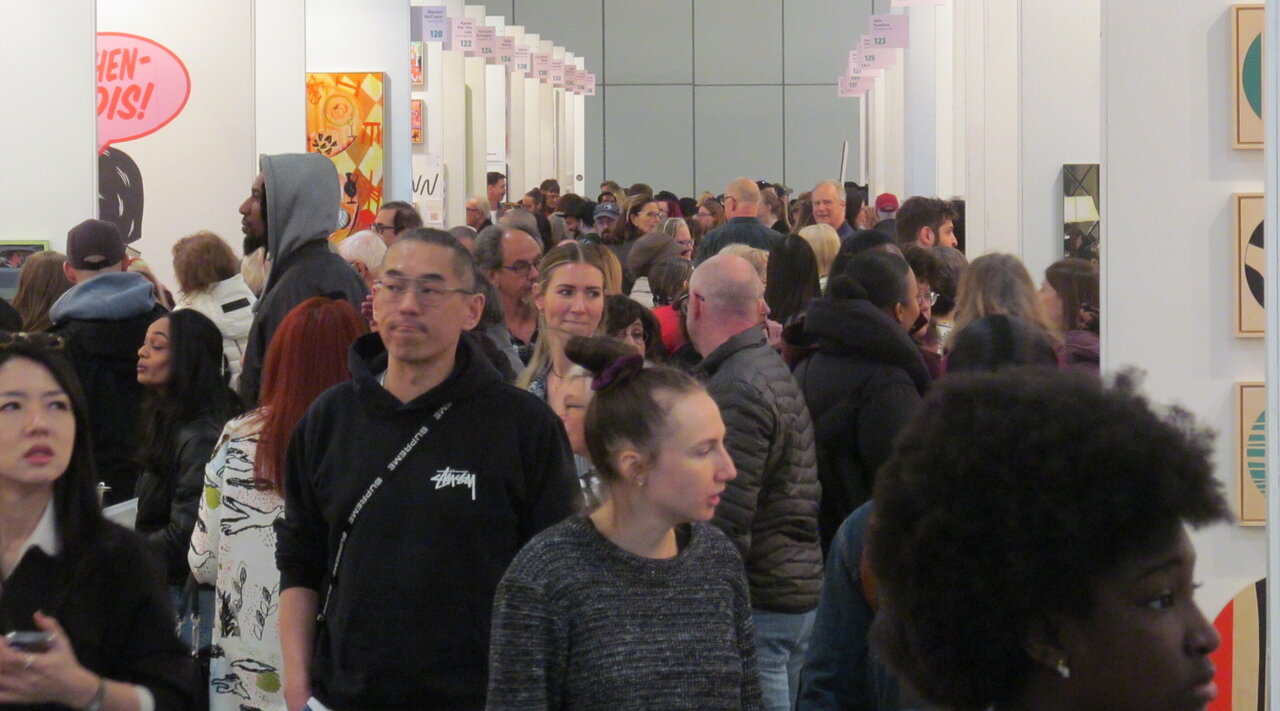
    This year’s Artist Project seemed to have no shortage of art sales, as I learned from talking to about 40 of the 250 some independent artists attending. Indeed, the crowds were thick with visitors who were there to purchase.

    Installation view of the Artist Project with visitors

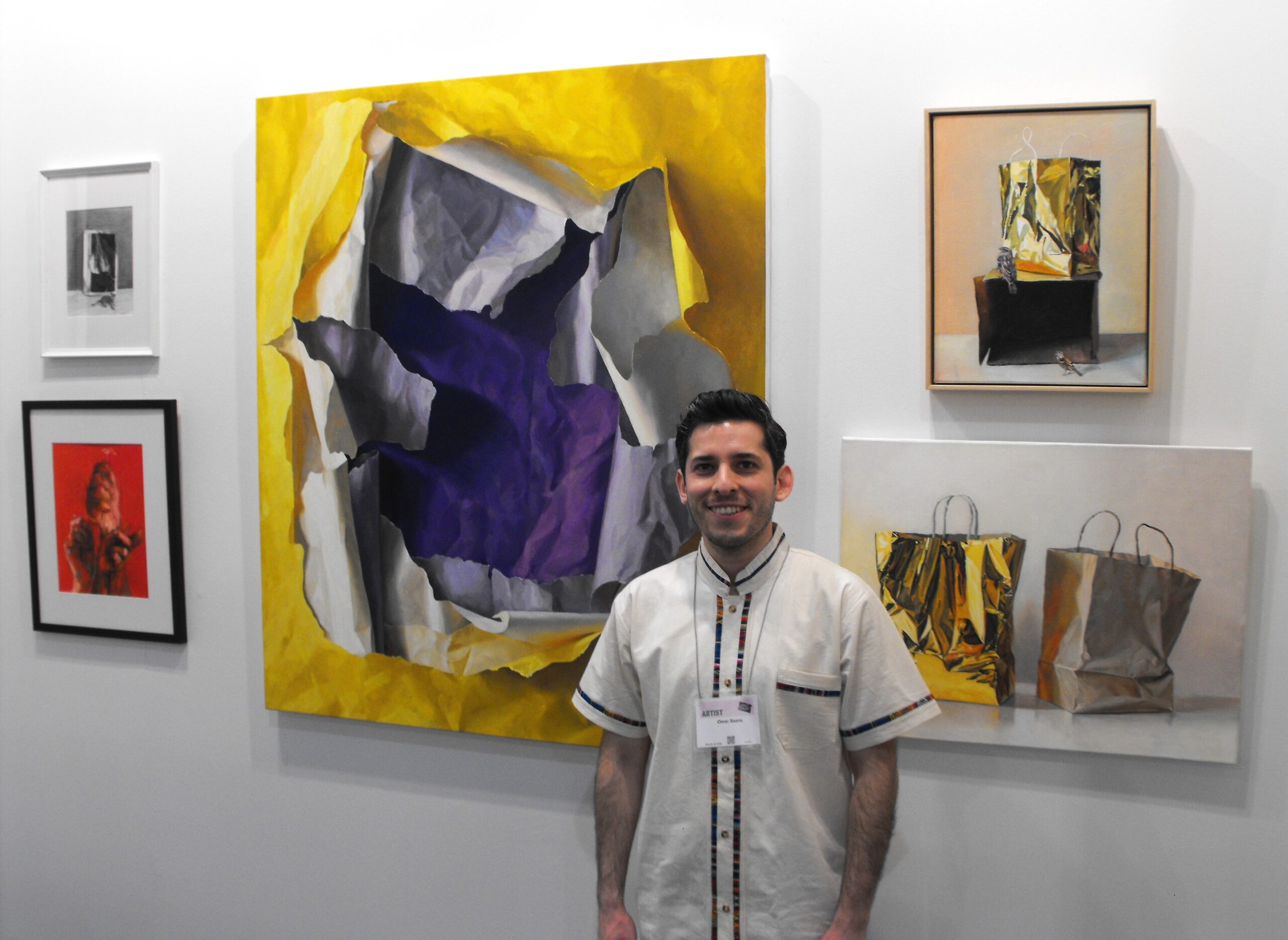
    Artist, Omar Saenz was experiencing his second year at the Project and was happy with the response from visitors to his work. The first year was a little rushed as he found out he was accepted and had to travel from Mexico to put things together.

    Omar Saenz in front of his paintings

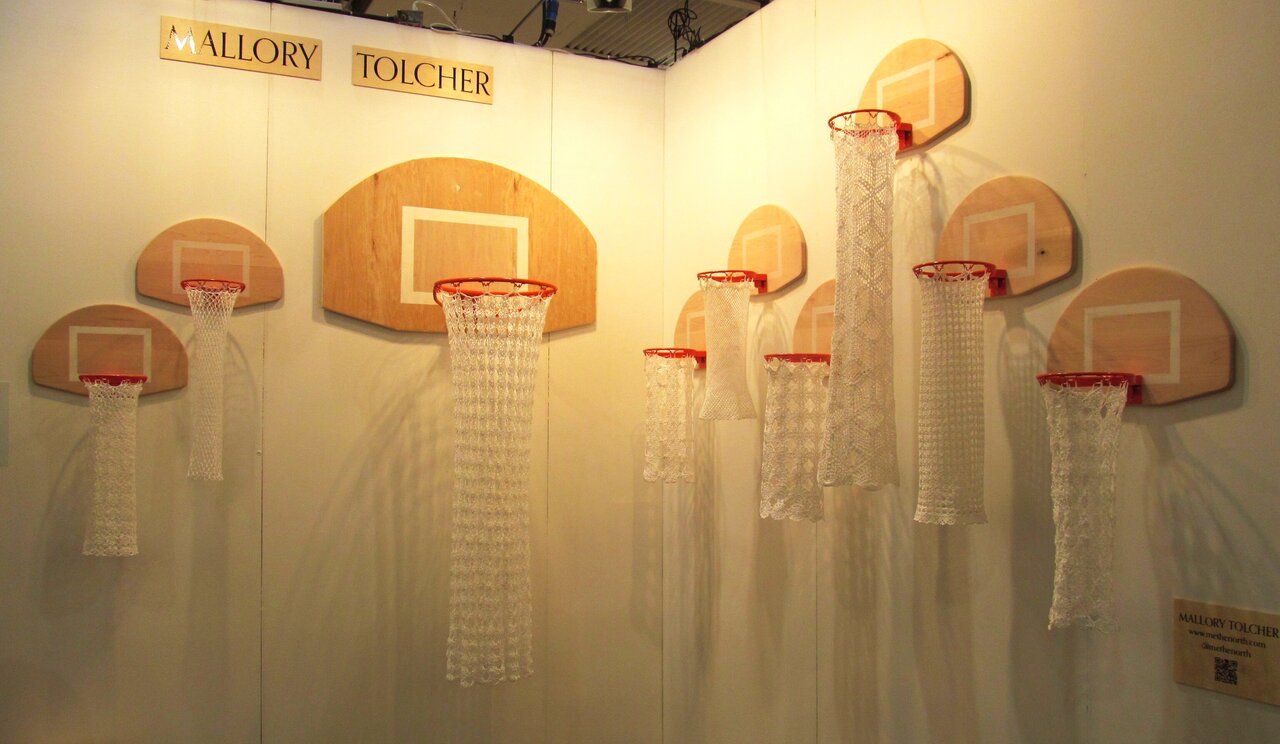
    Mallory Tolcher from Guelph had an eye-popping installation with basketball hoops with crocheted nets. Looked like it would have had an interesting statement installing in a modern household.

    Installation by Mallory Tolcher

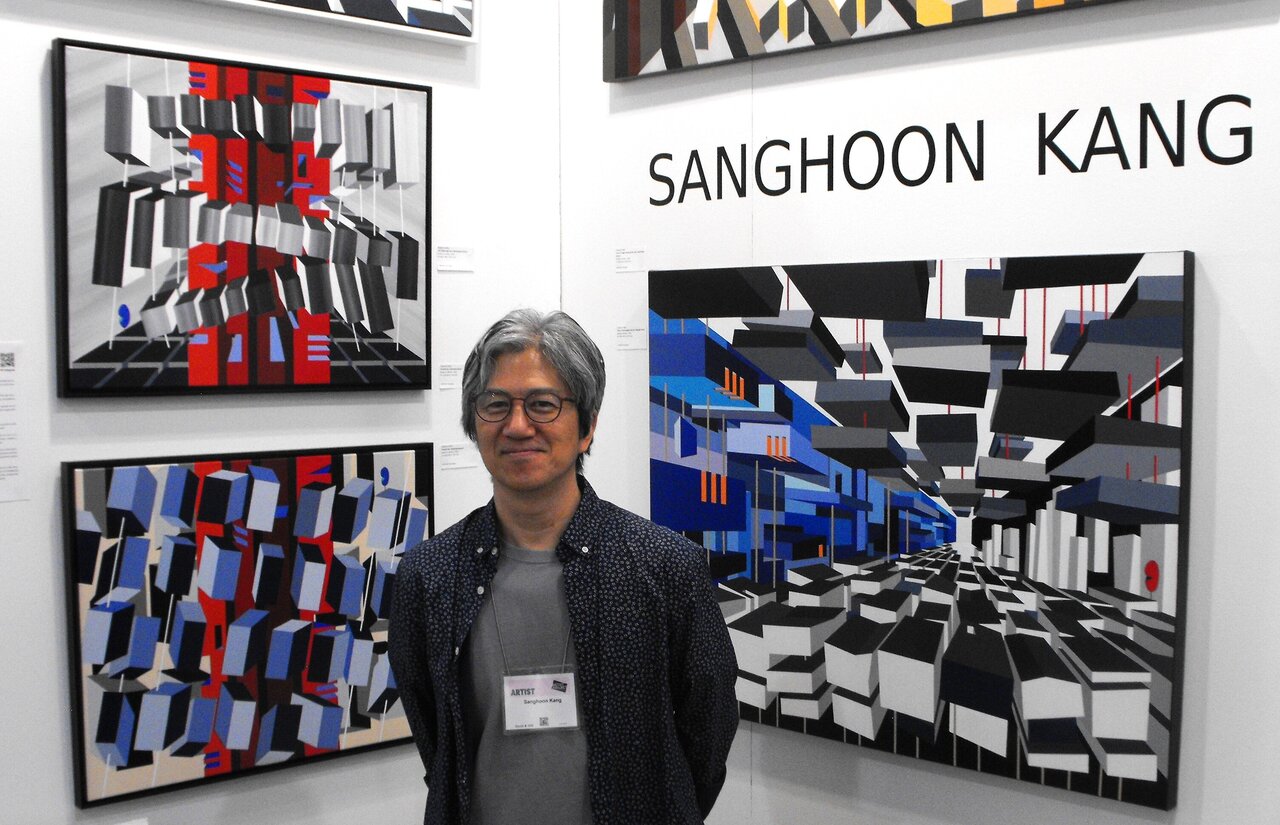
    Sanghoon Kang was very excited to participate for the first year and had several sales as well as interest in his other works. He studied architecture in Korea and ran a Gallery in Paris. It was easy to see the influences of architecture in his style and what would draw a collector to his work.

    Sanghoon Kang in his booth

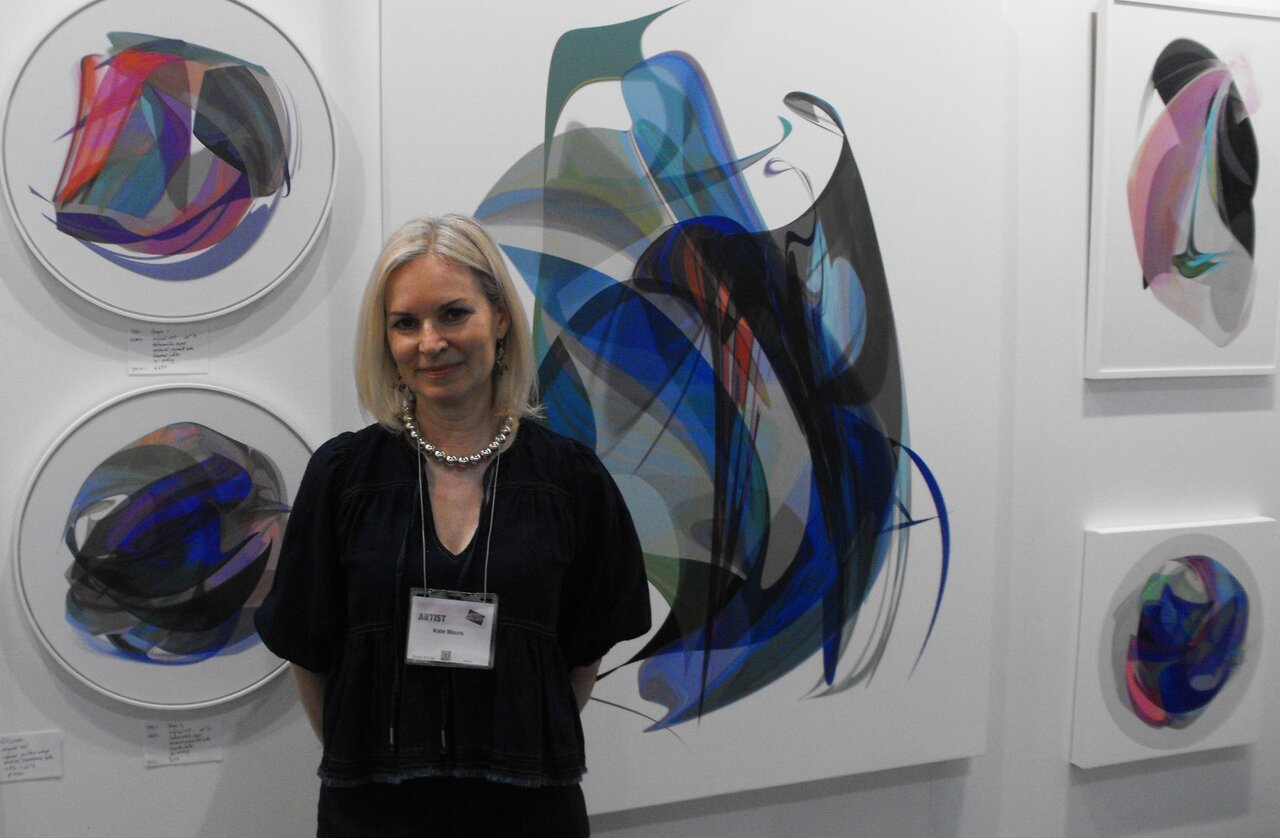
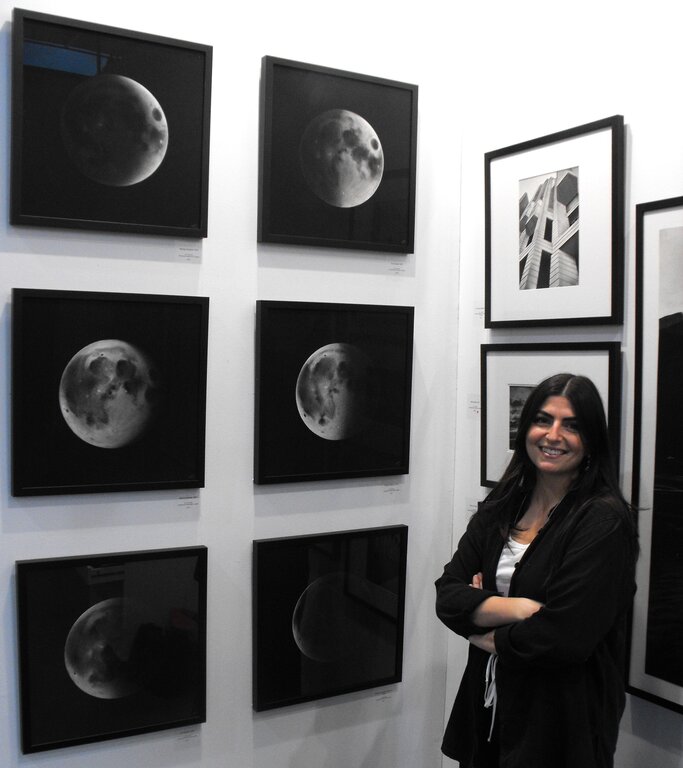
    With Kate Maura we discussed the difference between art buyers in the USA and Toronto. She had sold several works here and was pleased. She also participates in art fairs in Miami and New York. Katherine Curci’s charcoal drawings looked almost like photographs, very well crafted and impressive. In fact, many of the artists who had been in previous Artist Projects thought that the overall quality of work was improved from other years and sales and buyer enthusiasm was higher as well.

    Kate Maura in front of her works

    Katherine Curci with her drawings

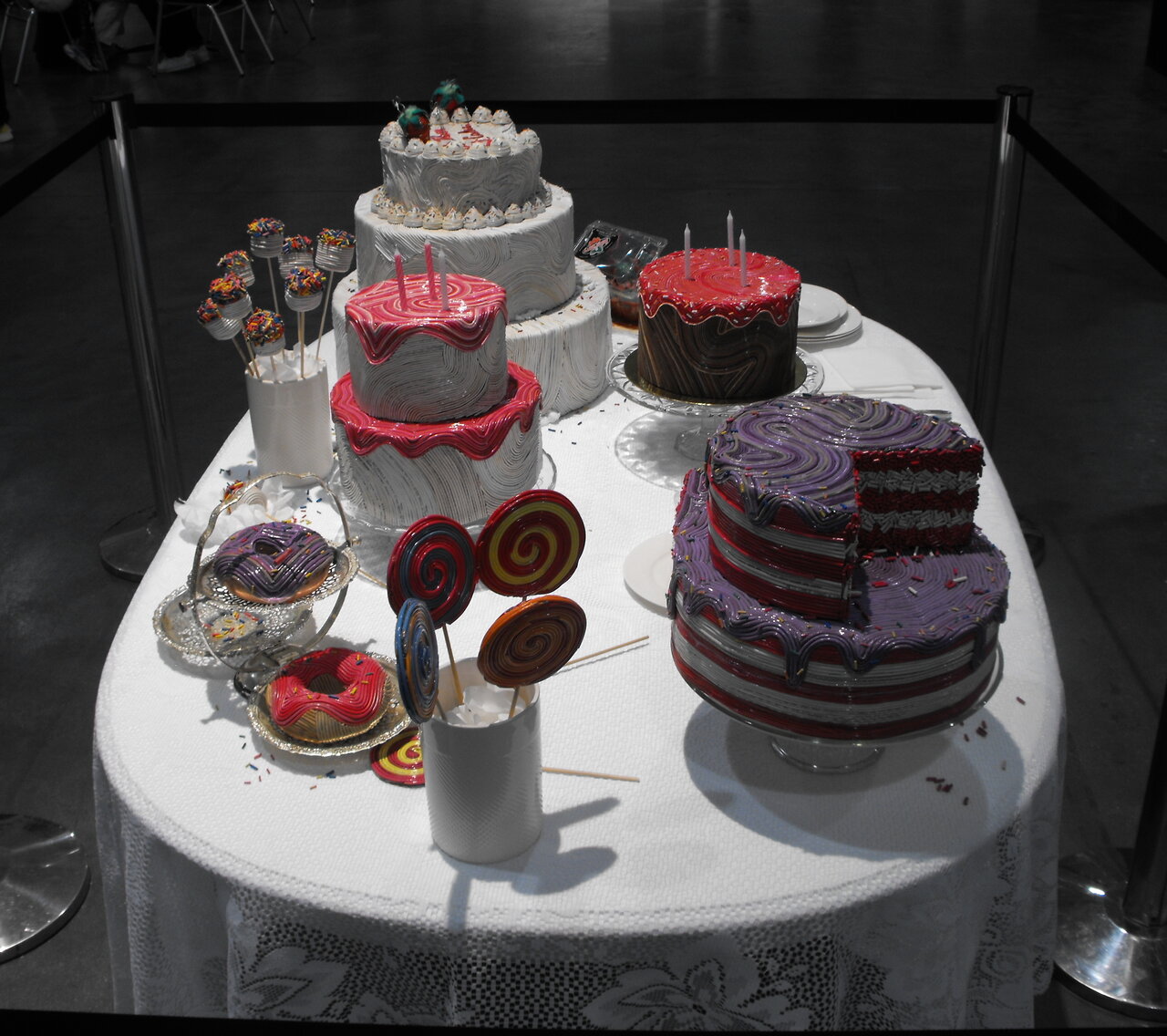
    There were a number of installations spread throughout the Project which added to the experience, making it more than just a commercial fair. Zoey Zoric’s sculptural installation, Terms of Service Agreement, is a testament to our preoccupation with consumerism with its tower of discarded iPhones – a technical waste land of sorts. Lindsay-Ann Chilcott’s installation, Artificial Appetite, using repurposed landfill items to create mouth watering cakes and pastries, also addresses our ‘consumer appetite’.

    Lindsay-Ann Chilcott’s installation, Artificial Appetite

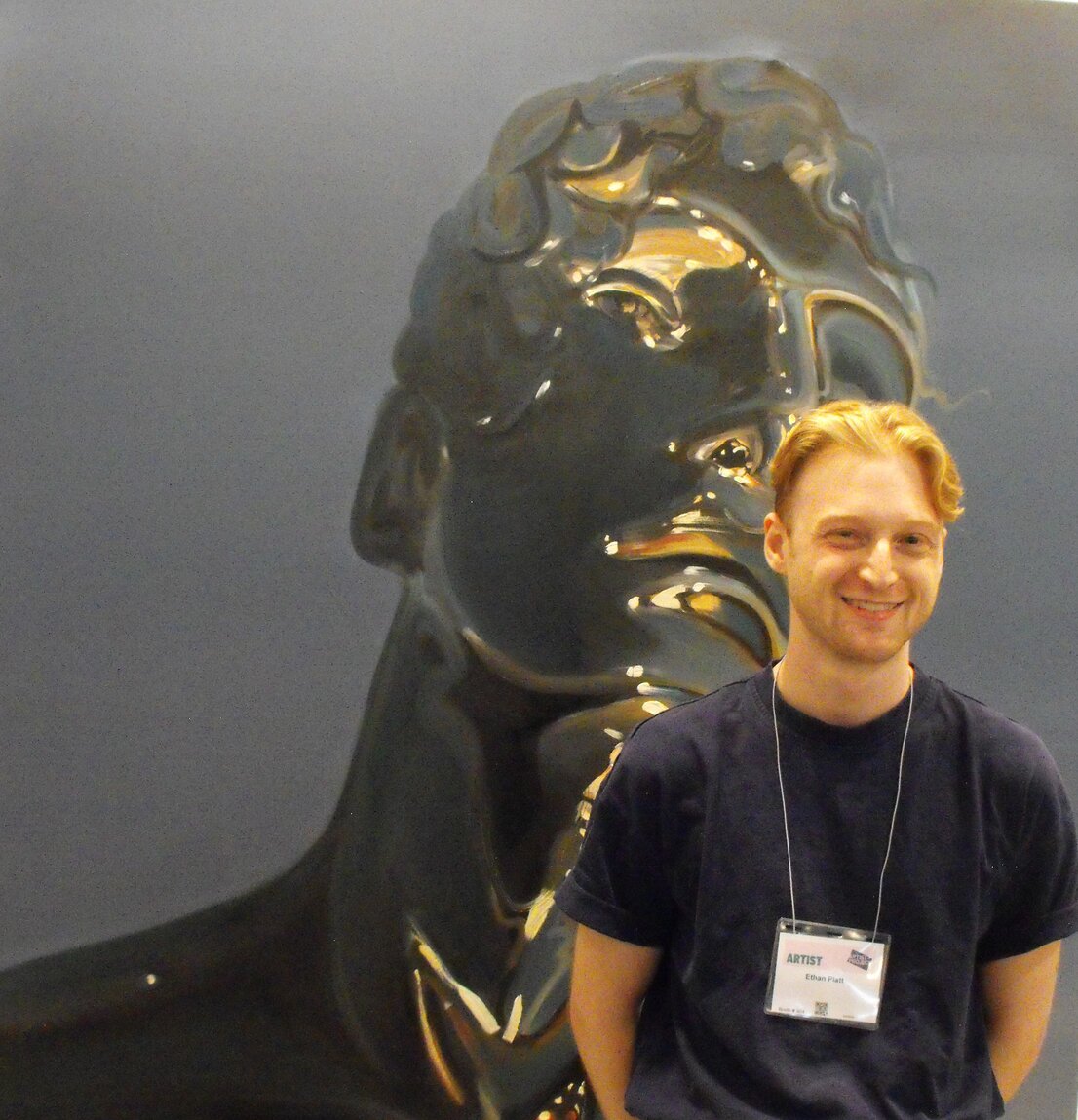
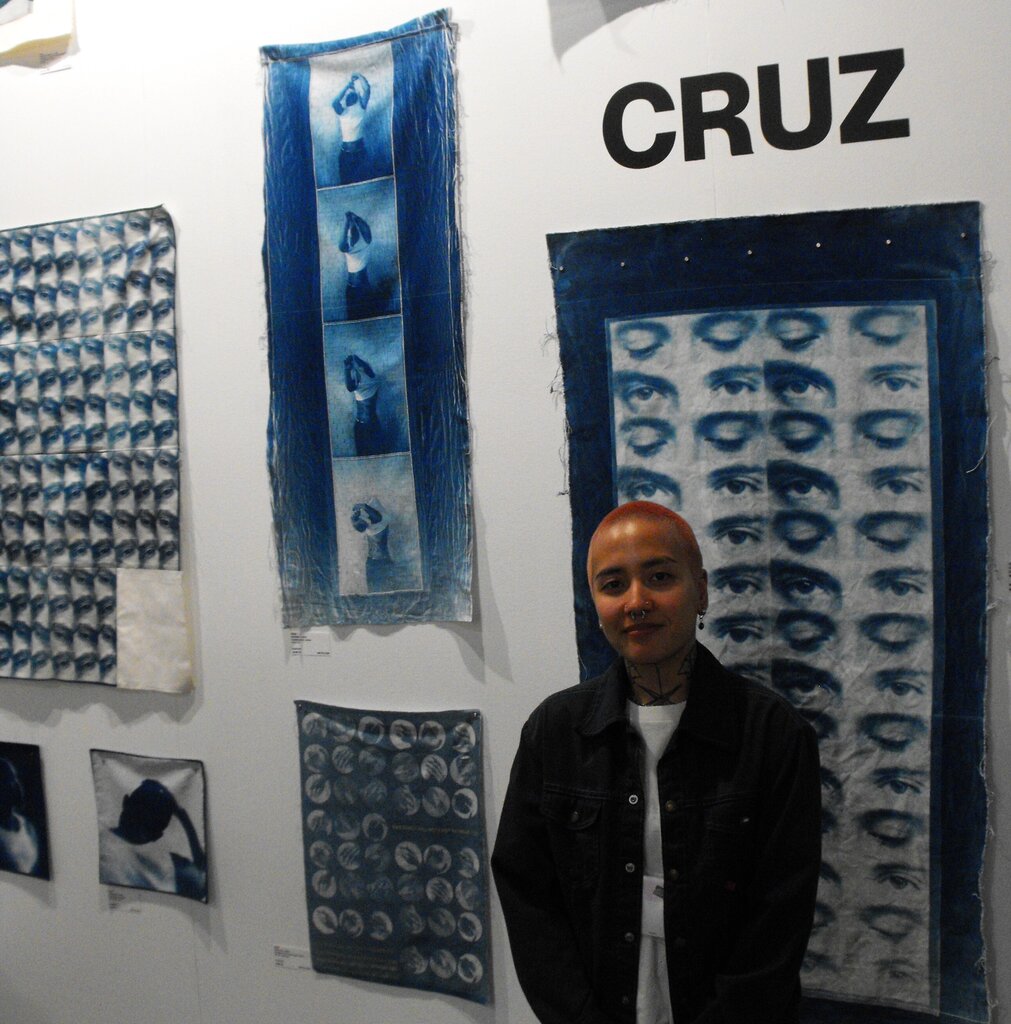
    OCADU graduate, Ethan Platt had just sold several large works and was beaming. It was his first year at the Project. I talked to Cruz, an artist who in her work uses printing on fabric. She had been a portrait photographer and was somewhat overwhelmed with all the attention she got at the Project – in a good way of course.

    Ethan Platt with his work

    Cruz in her booth

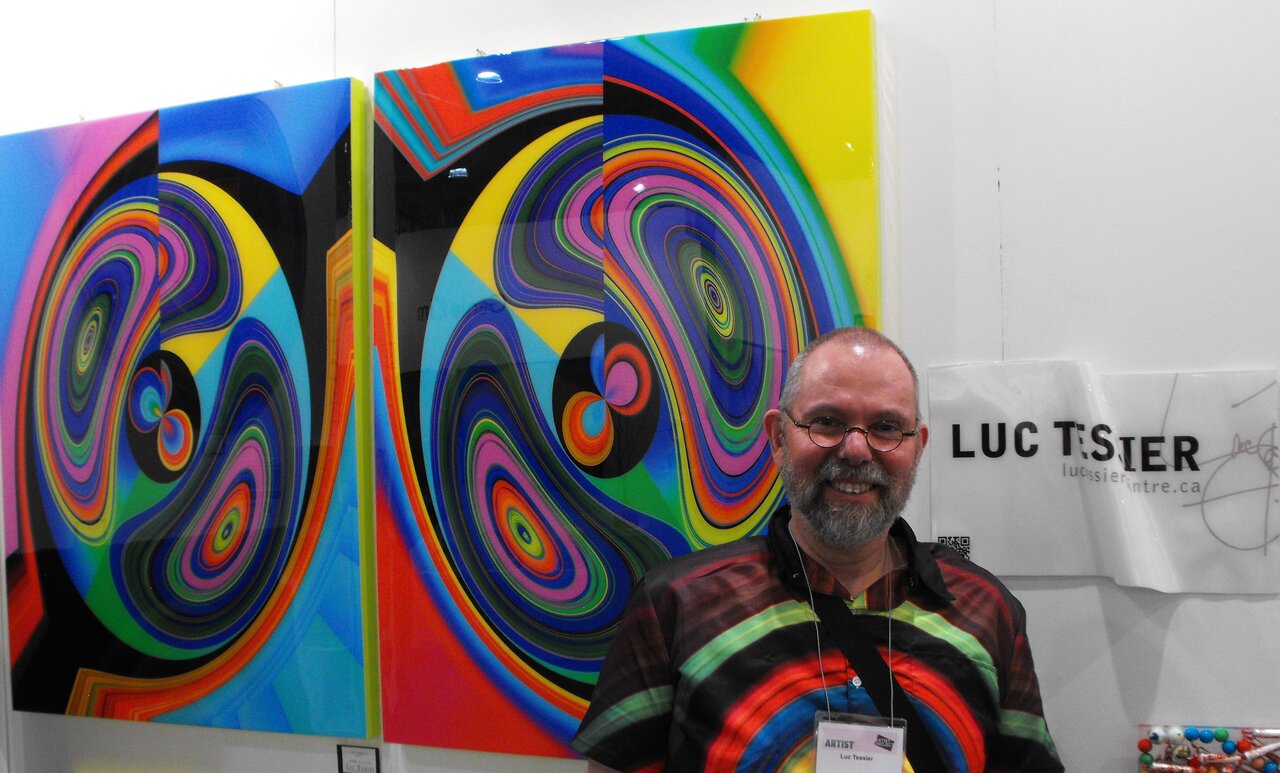
    I talked with Luc Tessier from Quebec whose colourful works received more attention this year. He had participated with the Project in previous years and now his style was changing into more 3-dimensional. He was selling plenty of artwork.
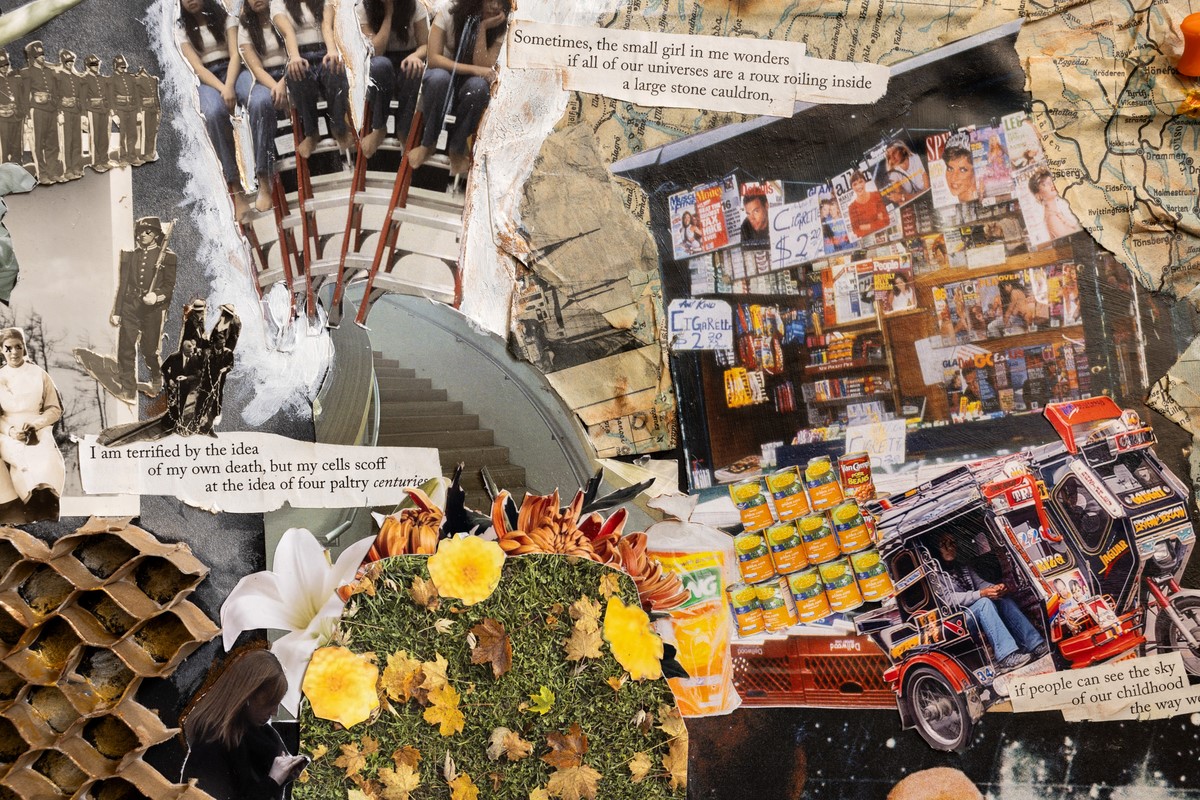
    Luc Tessier and his work

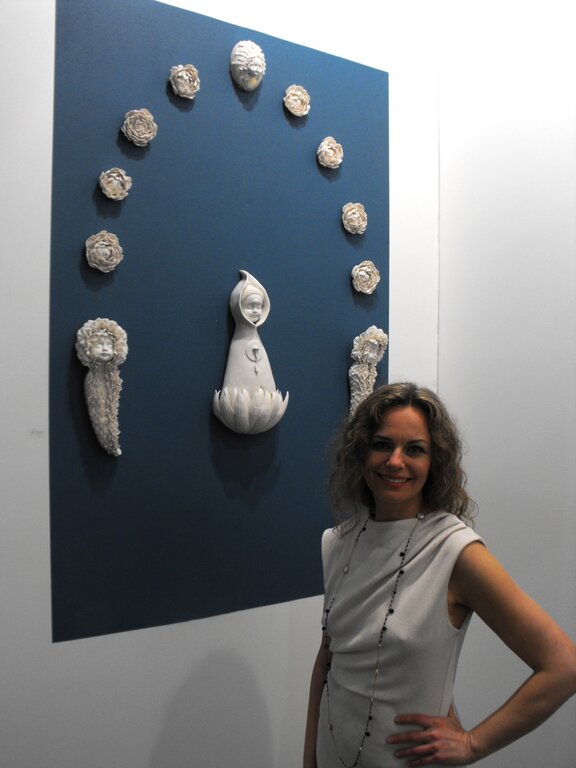
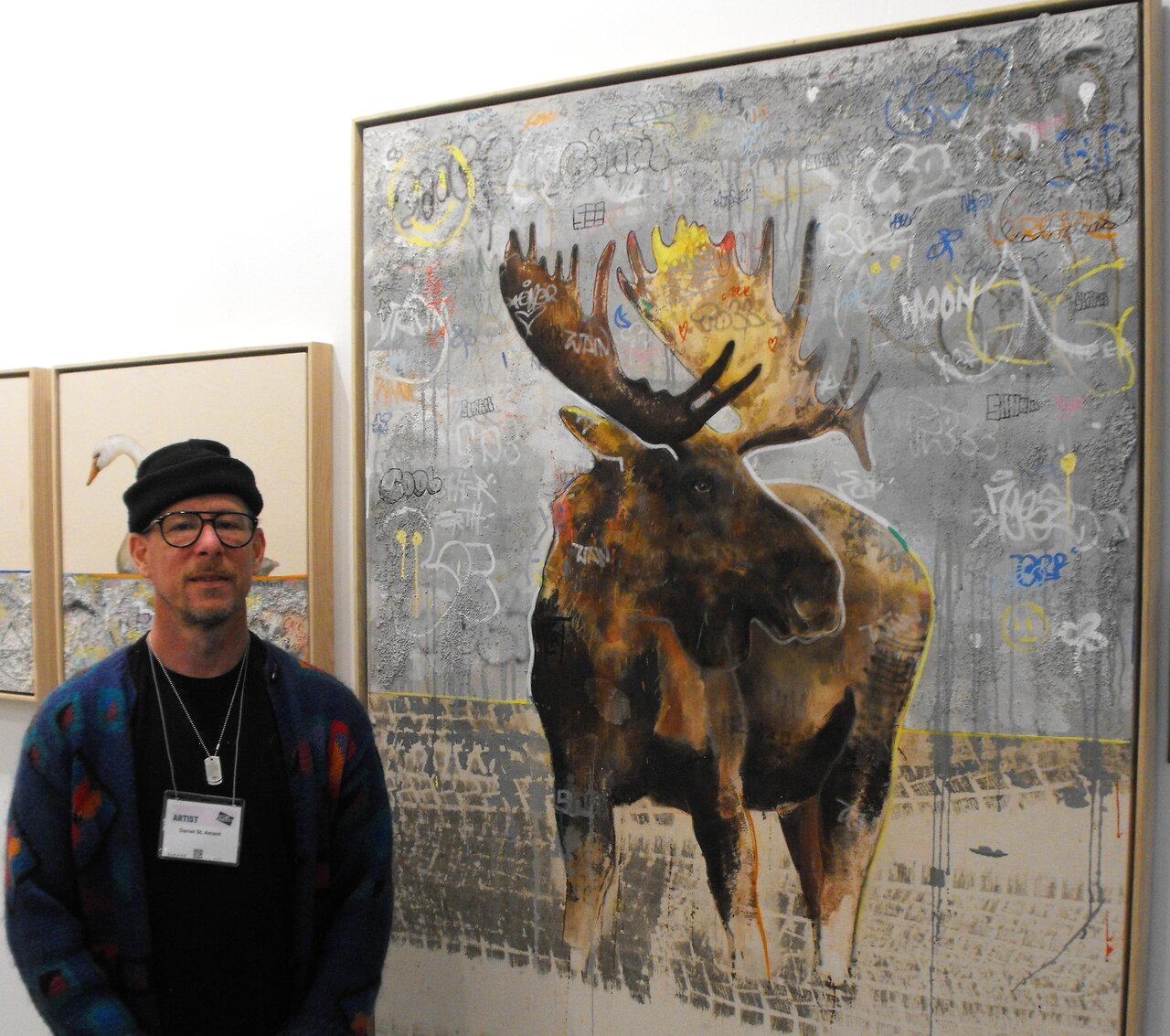
    Porcelain artist Tanya Besedina was happy with the Gala evening and the Saturday crowds. Daniel St. Amant had sold two large works, paintings of moose. He said he also enjoyed the opportunity to meet other artists at the Project. Carrie Perreault was pleased with her installation and the response it gathered.

    Tanya Besedina in front of her work

    Daniel St. Amant in his booth

    Carrie Perreault with her installation

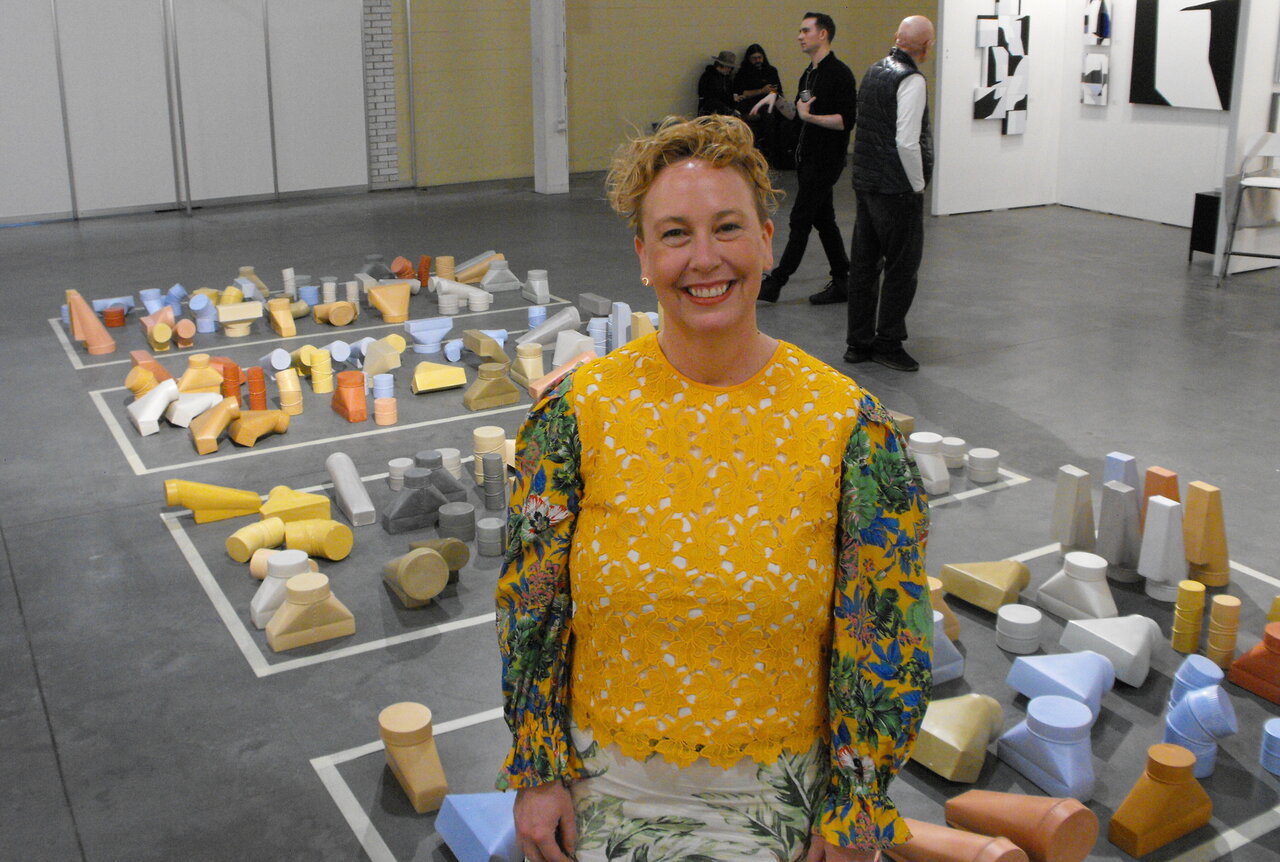
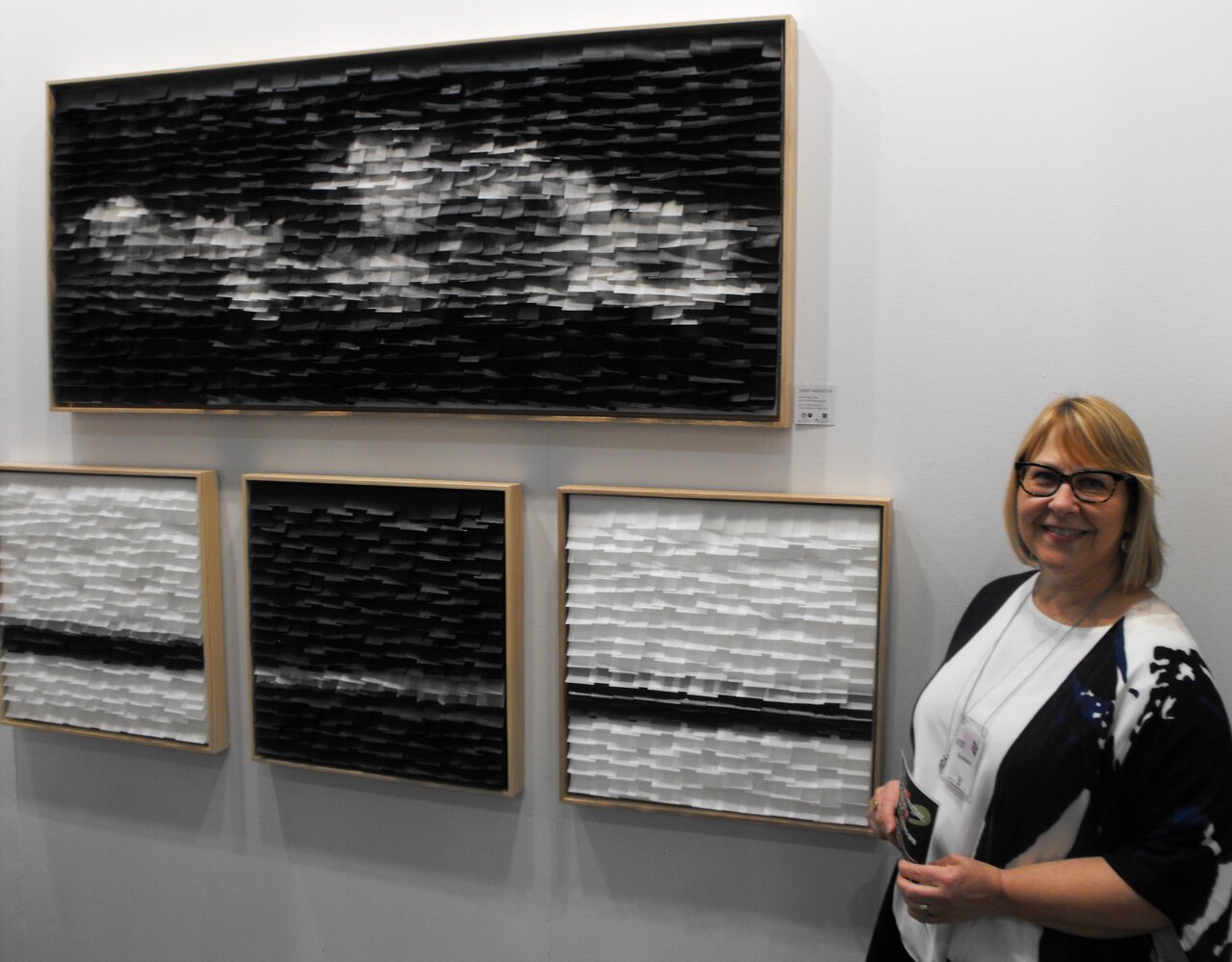
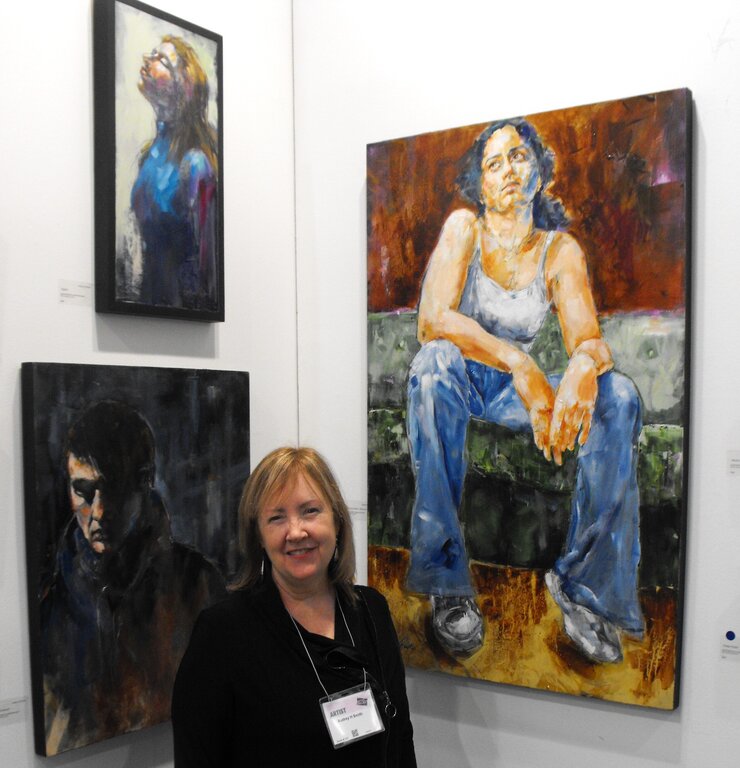
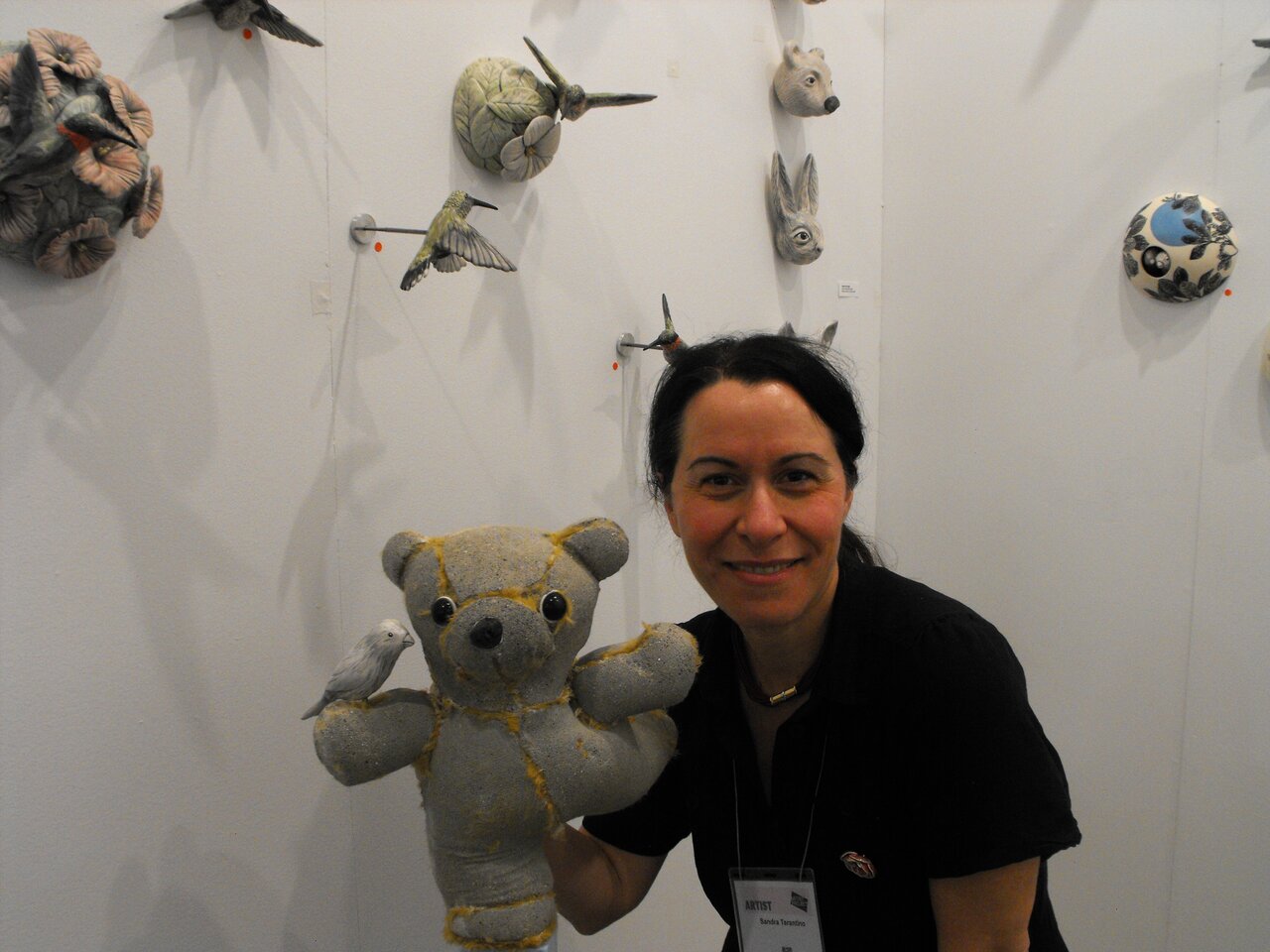
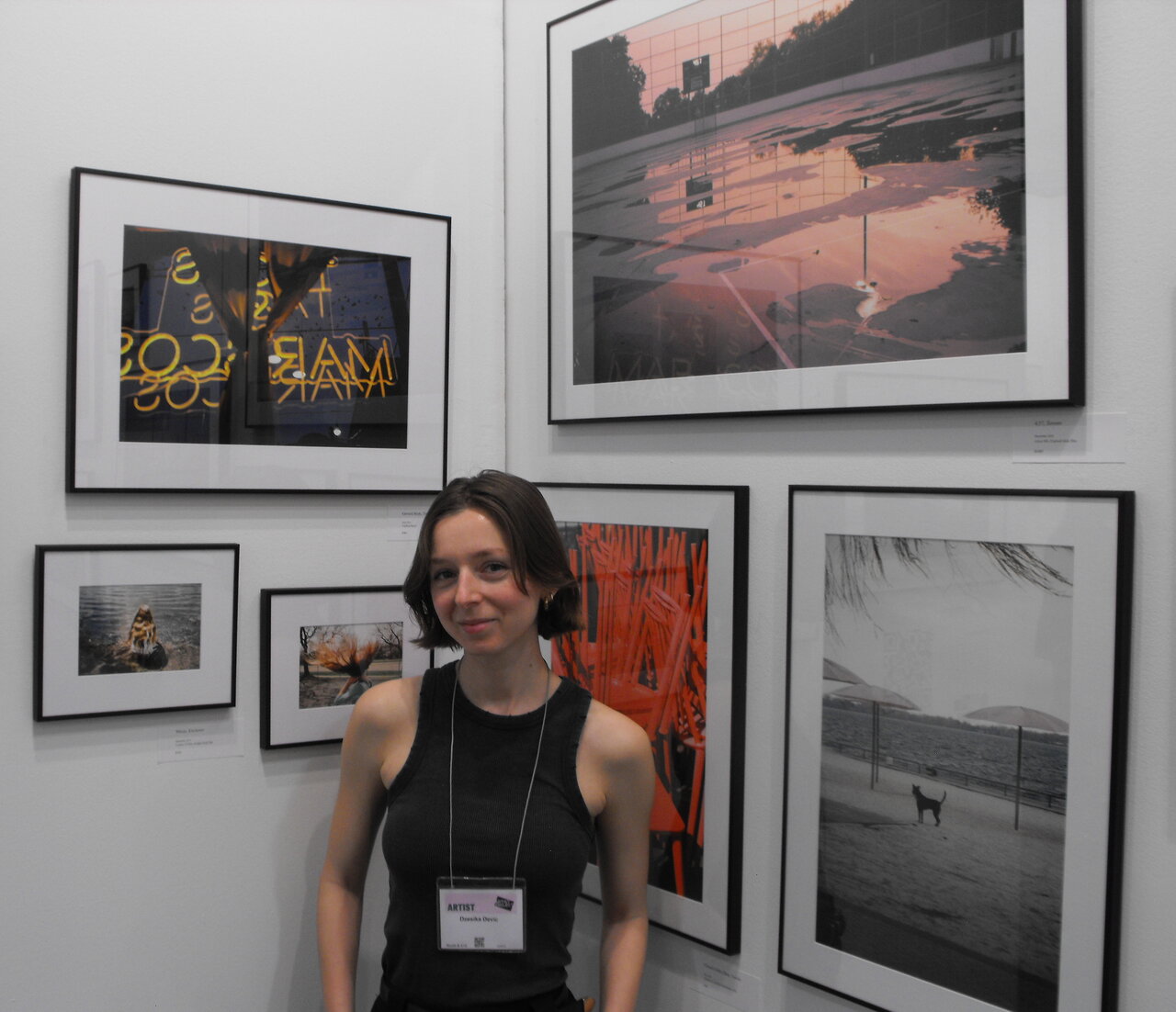
    Sandy Middleton’s photo encaustic paper sculpture was surrounded by interested visitors. Sandra Tarantino was exhibiting with her partner Ross Bonfanti, both coming from the AWOL Gallery Collective and both veterans of many fairs. She had plenty of red dots as did painter Audrey Smith. I chatted with photographer artist Dzesika Devic who was satisfied with this years Project.

    Sandy Middleton with her works

    Audrey Smith with her portraits

    Sandra Tarantino surrounded by her sculptures

    Dzesika Devic in her booth

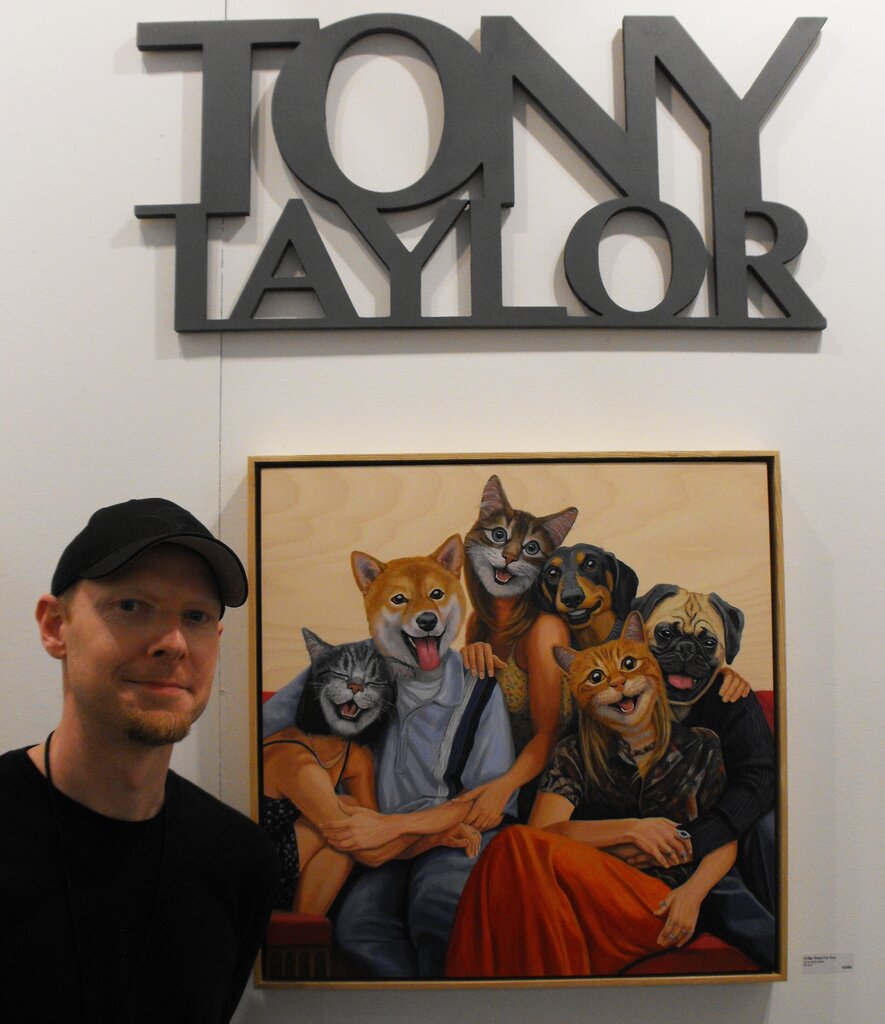
    I stopped by Tony Taylor and his fun art booth of animal characters. I enjoy his humor.

    Tony Taylor in his booth

    There were only a few artists who were not happy with the placement of their booth or complained about communication breakdowns with organizers. No doubt not an easy task keeping 250 artists happy.

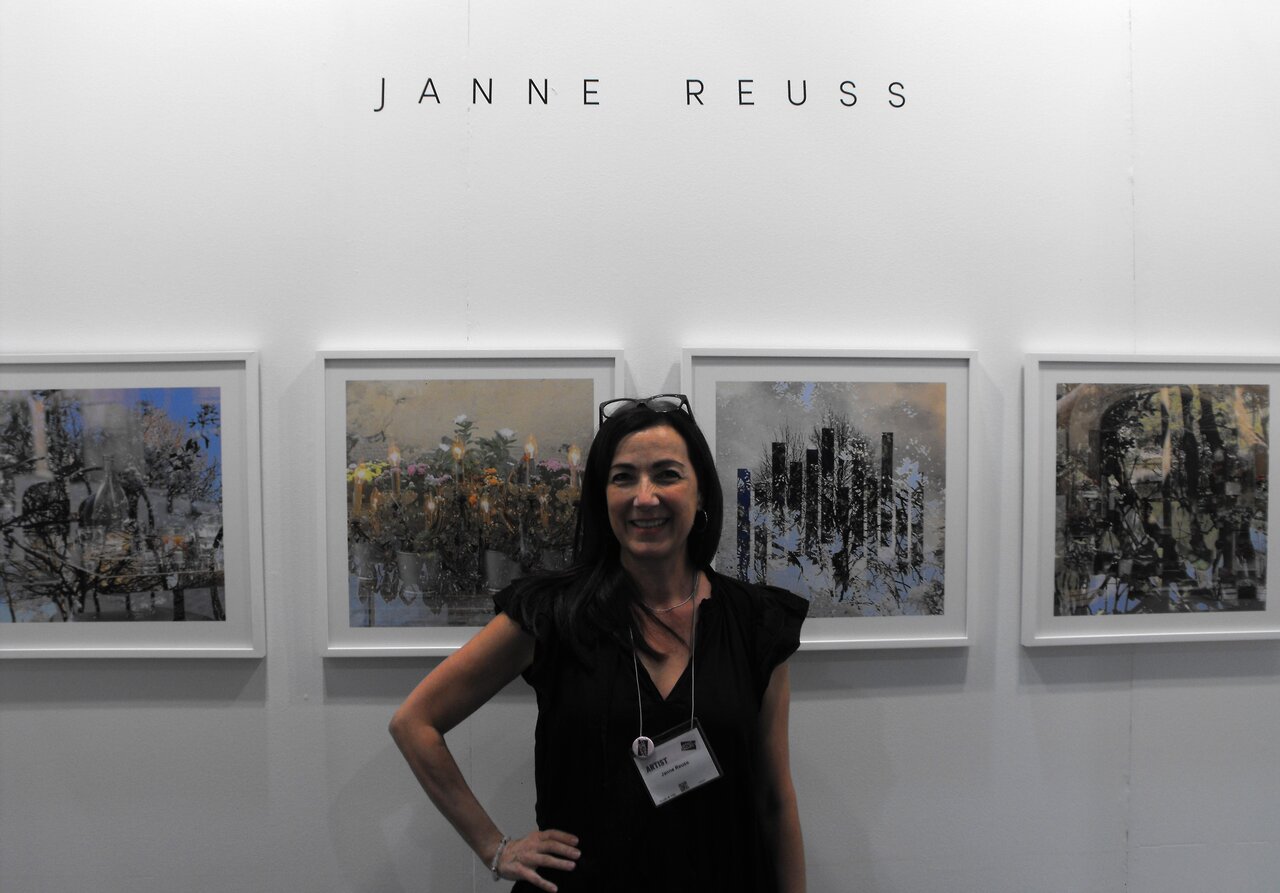
    One of my last stops was by photo-based artist Janne Reuss who had also sold several works and was thrilled with the enthusiasm of the crowds. She explained she had recently lost her father, a Mexican artist and she though he would be proud of her now, and indeed I think he would be.

    Janne Reuss in front of her photographs

    The Artist Project was a resounding success this year acclaimed by participants and visitors alike. The Toronto public seem to be embracing and supporting the arts community just when it needs it the most. Kudos to organizers for another year.

    Text and photo: Phil Anderson

    *Artist Project, April 11 – 14, 2024, Better Living Centre, Exhibition Place, 195 Princes’ Blvd, Toronto. Hours: April 11, 12 & 13, 12 – 8 pm, April 14, 12 – 6 pm.