Author: Emese Krunak

  • Chloe Chlumecky at Dianna Witte

    Chloe Chlumecky at Dianna Witte

    With Chloe Chlumecky’s View from the Window exhibition, the outside and inside meet at the intersection of doorways, doors, and windows. This installation captures the universal experience of being somewhere new. In these works, the sun’s presence settles on nearly all interior surfaces, influencing inside spaces to become something spectacular.

    When entering the Dianna Witte Gallery, I was immediately welcomed by the fourteen paintings that share Chlumesky’s summer memories. Every painting highlights the space and information shared through these openings between walls. A door, doorway, or window enables light and greenery to enter an interior space, and the rendering of such elements is done with precise consideration. Chloe Chlumecky’s artistic presence is deeply felt in every area she inhabited. As all the doors are depicted ajar, I feel invited into the scene and am curious to find out what is waiting in the next room. Every work provides a sense of the space within, as well as the space beyond. The use of sunlight, contrasting against shadows, is present on nearly every surface of the rooms and clearly demonstrates the powerful relationships seen between the outside and the inside. Overall, these works remind us that even when we are inside a house, we are constantly being touched and influenced by the outside environment.
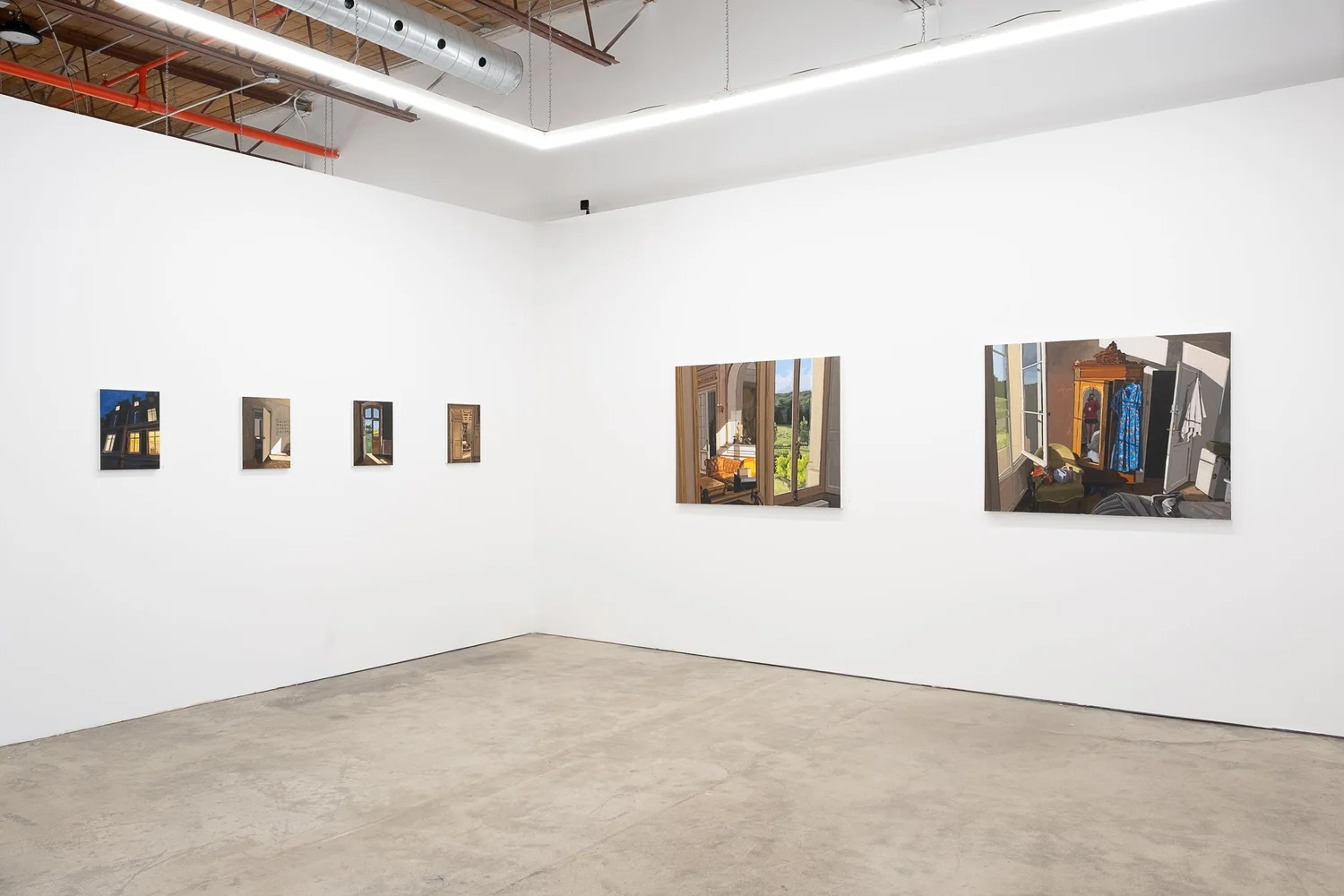
    Installation view of Chloe Chlumecky’s View from the Window at the Dianna Witte Gallery

    Apart from the wonder that Chloe Chlumecky depicts through her paintings, the feeling of comfort is brought to life through her use of texture. In every painting I was able to notice the deliberate brushstrokes upon the canvas that adds definition. Photographs do not capture all the textures and brushstrokes of Chlumecky’s work; it is something you must experience in person. I was especially captivated by the gorgeous brushstrokes seen in her works: self- portrait in wardrobe, chateau after hours, morning in my bedroom, and my studio light.
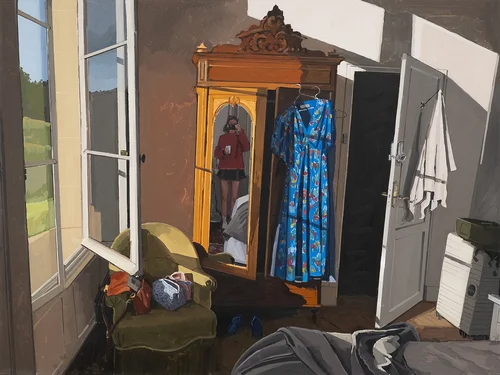
    self-portrait in wardrobe, 2026, oil on canvas, 36 x 48 inches

    The carving of the doors, the landscapes, the window frames, and the drapery present in her paintings are organic and elegant. The elements of everyday life appear so familiar. While Chlumecky also provides close-ups of some scenes, no two works read the same because they all reveal new details about her spatial experiences. The more time I spent alongside the paintings, the more I felt fascinated by stories of adventures in the French countryside and the more I felt enveloped by a complete sense of curiosity and happiness.
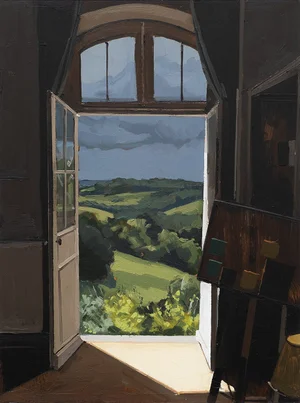
    oquevaux view, 2026, oil on panel, 16 x 12 inches

    Capturing the impression of light in space is not easy. In this exhibition, each marking of sunlight adds an unexpected geometry to the room. The imprint of sun is time specific. These details, like depicting the transition of light from the outside to the inside walls and floors, show how graceful a special moment can be.
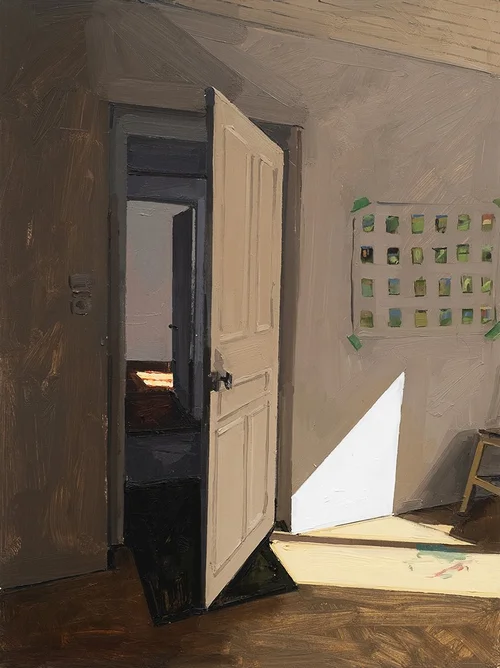
    my studio light, 2026, oil on panel, 16 x 12 inches

    Chlumecky’s paintings act as a window into her memories, and they tell her story through features that can often be overlooked. Windows and doors are not barriers to the outside, instead they are tools that allow us to bridge two worlds together. Nature and its influence is ever-present through all her works, reminding us how nature plays a big part in our lives. Through the French-style furniture, floor tiling, wardrobes, gold ornamentations, and displays of food, it was so easy to understand the joy of the artist’s experience in nature.
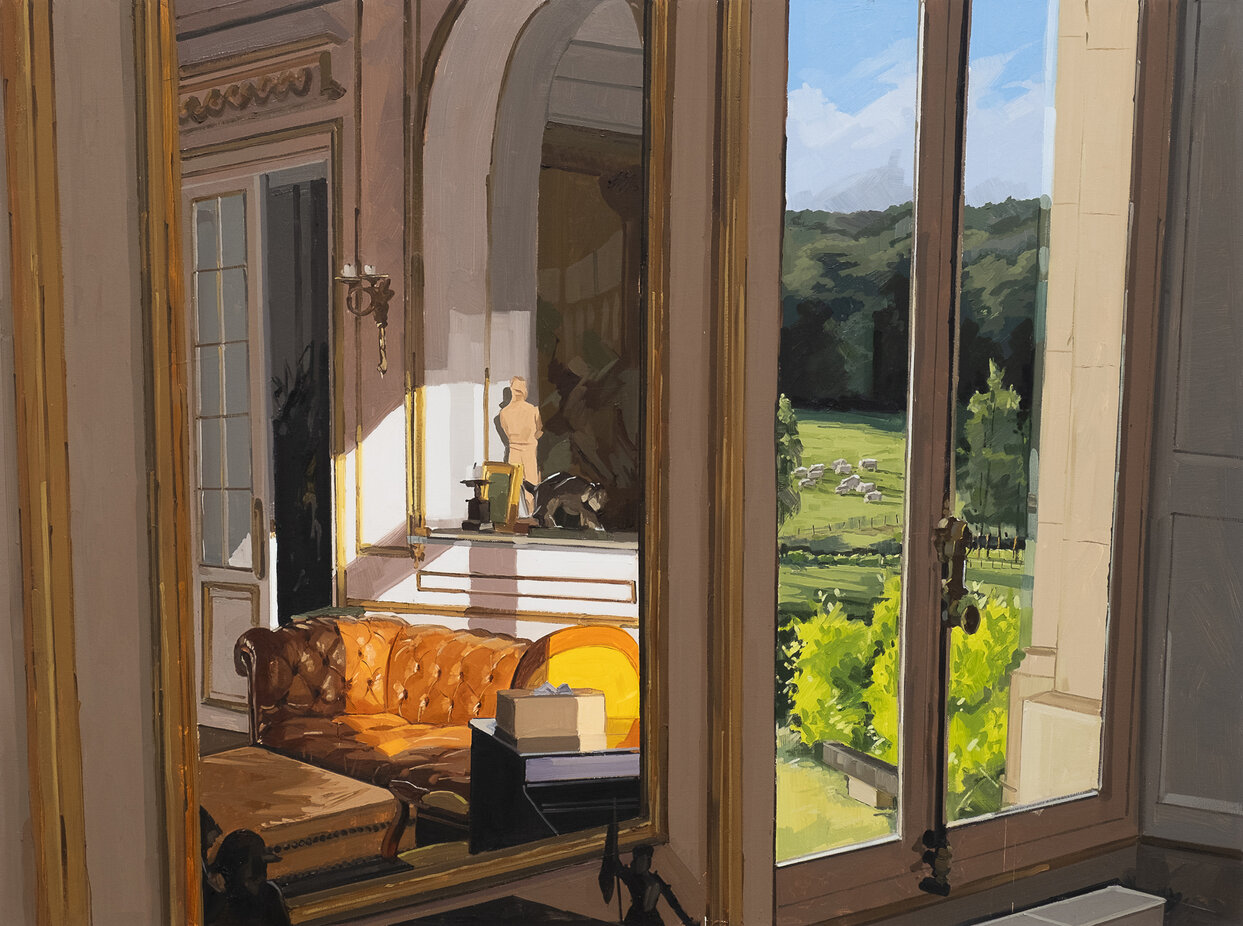
    view from the window, 2026, oil on canvas, 36 x 48 inches

    Chloe Chlumecky’s paintings celebrate being an artist and finding the striking beauty of one’s surroundings.

    Angie Ospina

    Images are courtesy of the Dianna Witte Gallery.

    *Exhibition information: Chloe Chlumecky, View from the Window, September 17 – October 10, 2026, Dianna Witte Gallery, 1122 Dundas St. East, Toronto. Gallery hours: Wed – Sat 12 – 6pm.
  • Ron Shuebrook at the modern.toronto

    The city of Toronto has reason to celebrate with the recent opening of a beautiful new exhibition space downtown, called ‘the modern.toronto’. It is not a commercial gallery, but rather is funded independently. Indeed, it is more of a museum than a gallery. Its stated mission is to showcase non-objective abstract art, otherwise known as abstract expressionism. This genre, as their website points out, began soon after World War II. That is a long time ago now, prior to the living memory of all but a few. So one might ask: isn’t its mission somewhat anachronistic? I’ll get back to that presently.

    The gallery is spacious and light and is divided into two exhibition areas – one at the front of the building, and a larger space located at the back. Today I’ll talk about the works displayed in the rear space. These are ten abstract paintings by the venerable artist and educator Ron Shuebrook who, among many other roles, served as president of the Ontario College of Art and Design between 2000 and 2005. He currently resides in Guelph. For decades he has been represented by Olga Korper Gallery.

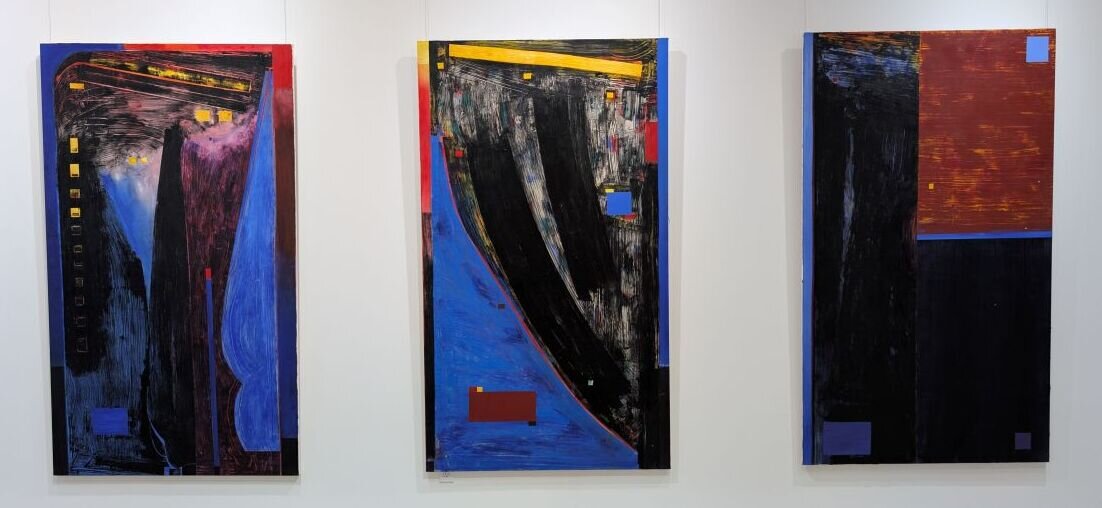
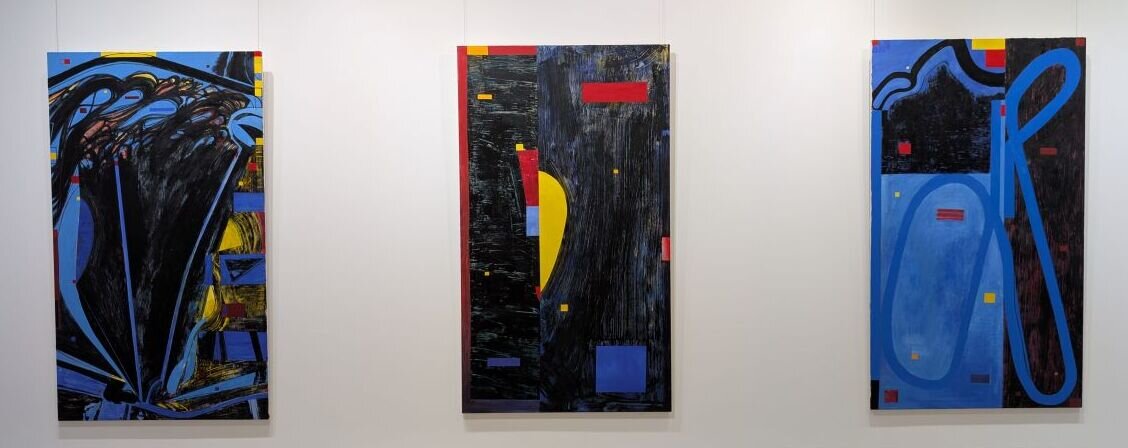
    L-R: Ron Shuebrook, Untitled (Contested Territories Series#2), Towards the Light and Black Mountain, Blue Monkeyrope, both 2021,  84 x 48 inches

    It would be hard to find a living artist with more of a pedigree that aligns with the modern.toronto’s mission. Born in Virginia Shuebrook studied visual arts and then for an M.Ed in art education at Kutztown University, Pennsylvania. From the mid-1960s to the early 1970s, through scholarships and a teaching assistanceship, he came into contact with many luminaries at the time, including Leon Golub, R.B. Kitaj, Robert Motherwell, Myron Stout and Fritz Bultman.

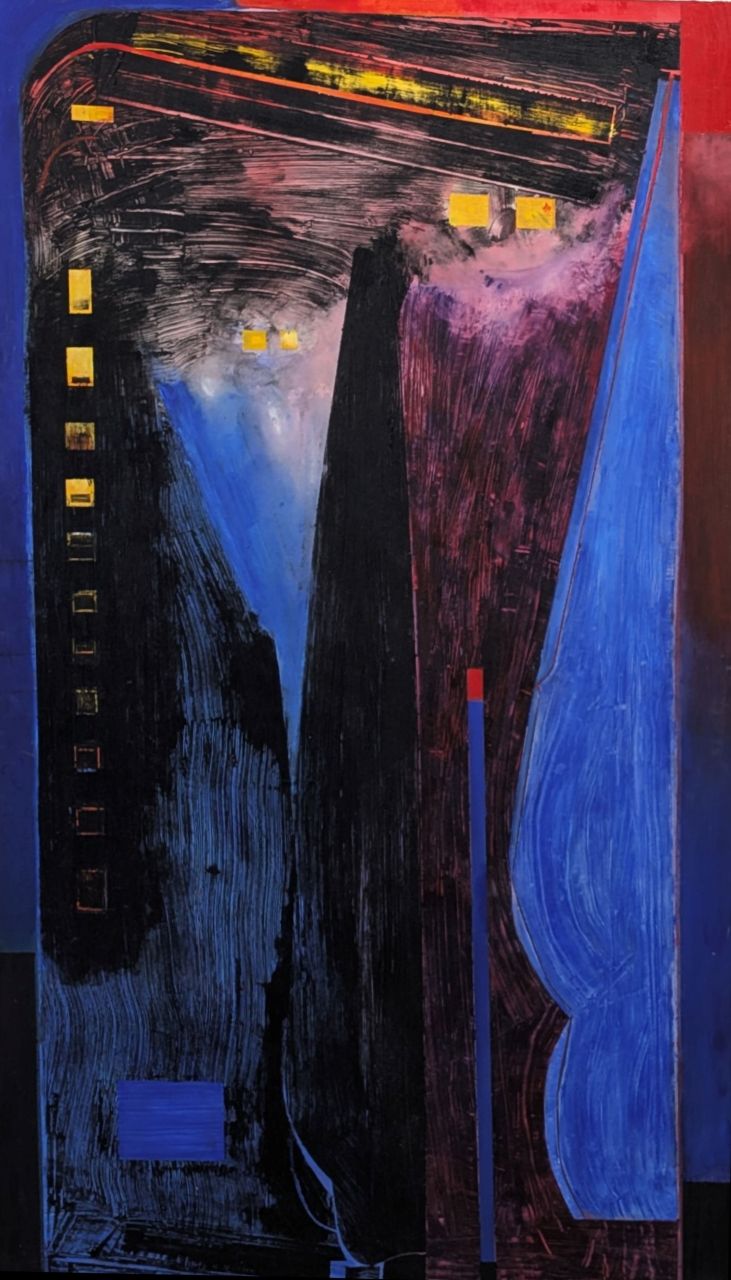
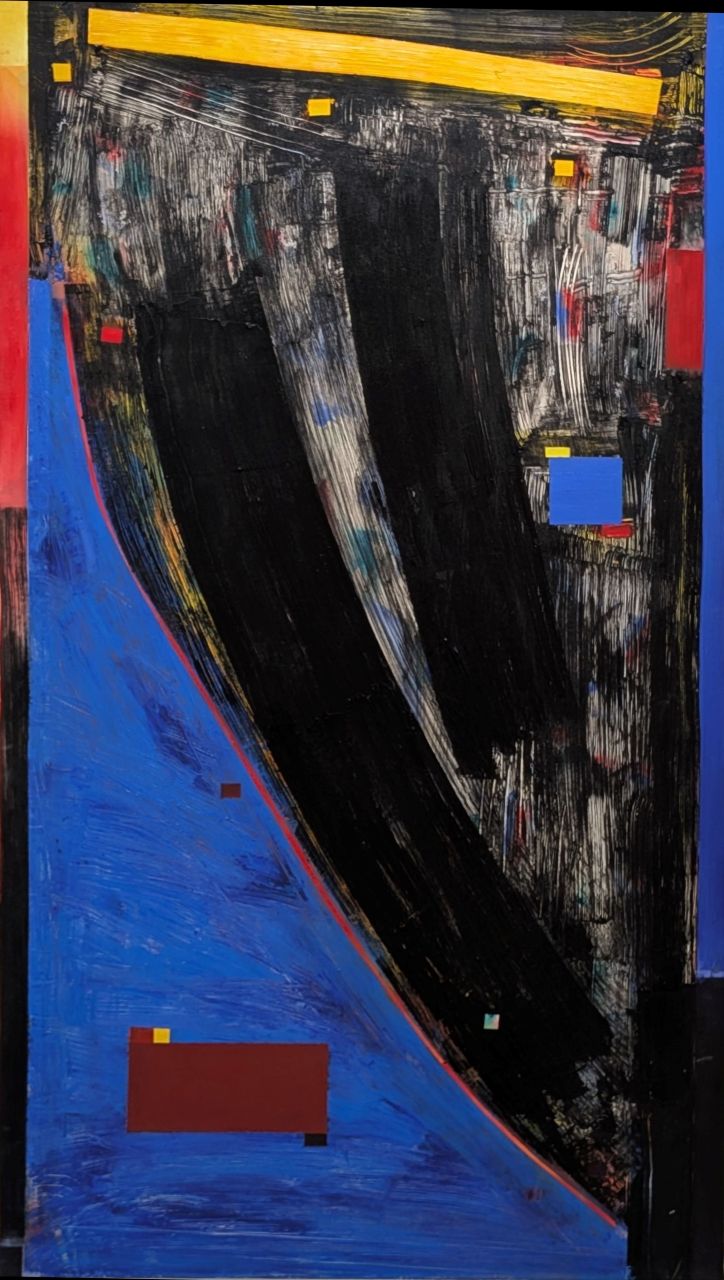
    Ron Shuebrook, Untitled, 2021, 84 x 48 inches

    Shuebrook’s accomplishments, in terms of where he has taught since moving to Canada and the number of public and private collections that have his work, are too numerous to list here. But what of his paintings themselves? The works on display were done in 2021, bar two works dating from 2015 and 2019 – distinguishable by their slightly smaller scale. Most are large, measuring seven feet high and four feet across. They are acrylic on canvas.

    L-R: Ron Shuebrook, Tower, Untitled and Untitled, both 2021, acrylic on canvas, 84 x 48 inches

    While all the paintings betray Shuebrook’s preoccupation with the formal qualities, with their emphasis on the division of the picture plane and colour, some appear to possess a narrative element. For example, his Tower (2021) suggests the tragedy of 9/11. Indeed, Shuebrook speaks of being influenced in another painting, for instance, by his reading of Melville’s Moby Dick. These large paintings, predominantly in blue and black, are compositionally complex and remind me in this respect of some of Richard Diebenkorn’s abstracted landscapes.

    Ron Shuebrook, Tower, 2021, 84 x 48 inches

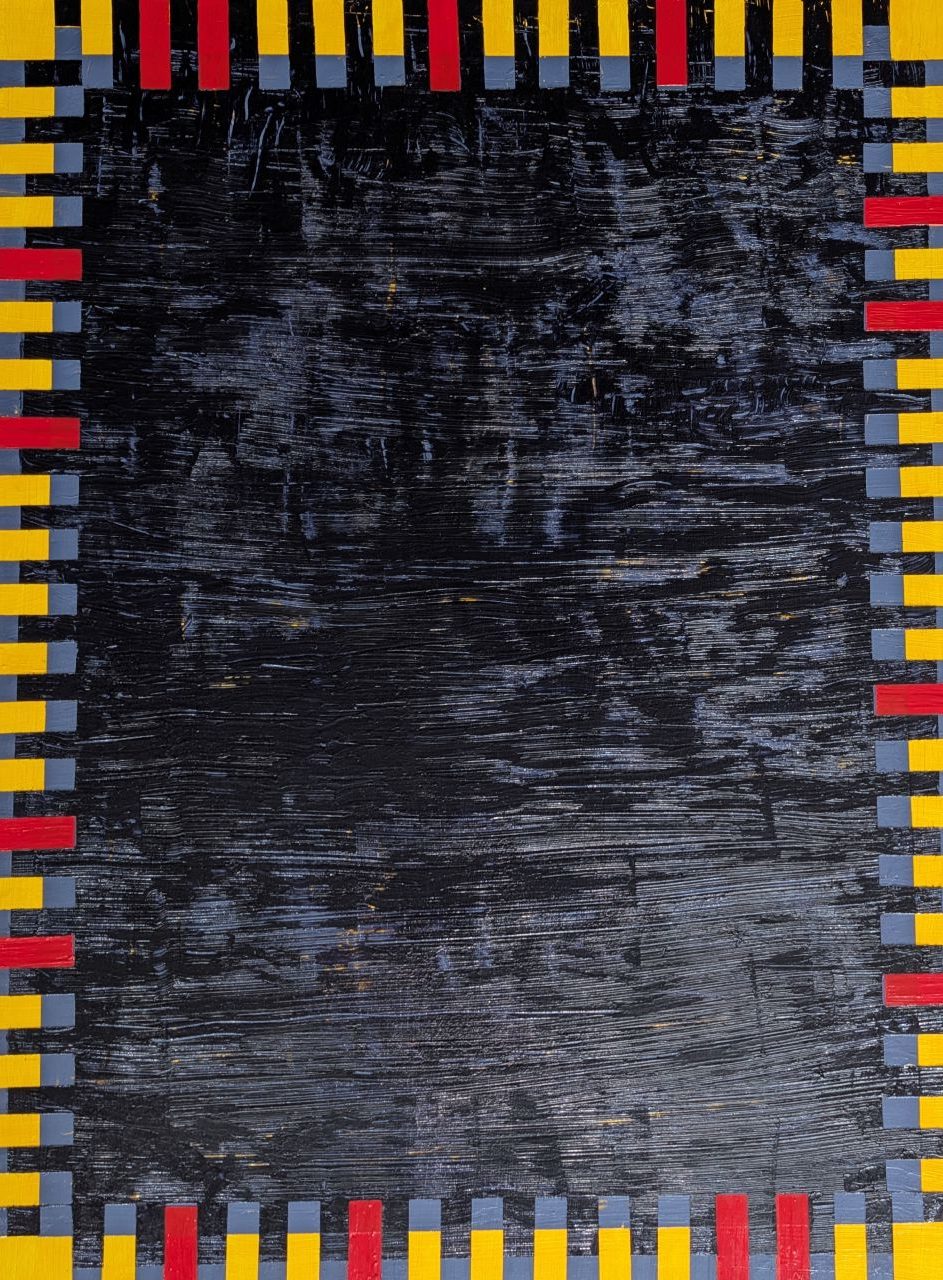
    The tightest and most accomplished works in the show are his three grid paintings. Parsimonious in their palette, the edges become integral to their composition. In this regard, they are entirely self-contained. The combination of geometry and gestural brushwork is masterful. To the extent they are purely abstract they are paradigms of non-objective painting in the way originally championed by Wassily Kandinsky in the early twentieth century. Kandinsky saw reality as divided into two – the external material world and the spiritual inner world. In his theories and through his paintings he aimed to ‘paint music’, which he saw as the epitome of a spiritual artform. What I see in Shuebrook’s work is an attempt to paint, if not consciously or intentionally, music reminiscent of that of minimalists like Philip Glass and Steve Reich, who coincidentally are Americans of the same generation as Shuebrook. The grid paintings are repetitive, restrained and enchanting in the manner of Glass’s and Reich’s music.

    Ron Shuebrook, Untitled (black, grey, red, yellow), 2019. Acrylic on wood panel, 40 x 30 inches

    Kandinsky’s division between objective and non-objective art has been stressed in particular by American art theorist and critic Donald Kuspit, who indeed has written a brief endorsement of the modern.toronto and its mission, that appears at the bottom of its website’s homepage. Kuspit lays out his thesis in detail in his book The End of Art. There he essentially argues that commercialism and the growth of the entertainment industry have turned what we call ‘art’ into a consumer product – one that is devoid of spirituality, of any quality that transcends the banal material world. Further, non-objective art is by nature spiritual, and so is a genre that resists what Kuspit sees as the emptying of art, which is now best decribed as ‘postart’. The modern.toronto’s owner, Ben Woolfitt, in agreement with Kuspit, holds that there is an obligation to champion non-objective art, as the works of this genre still have genuine intrinsic worth, independent of any financial considerations.

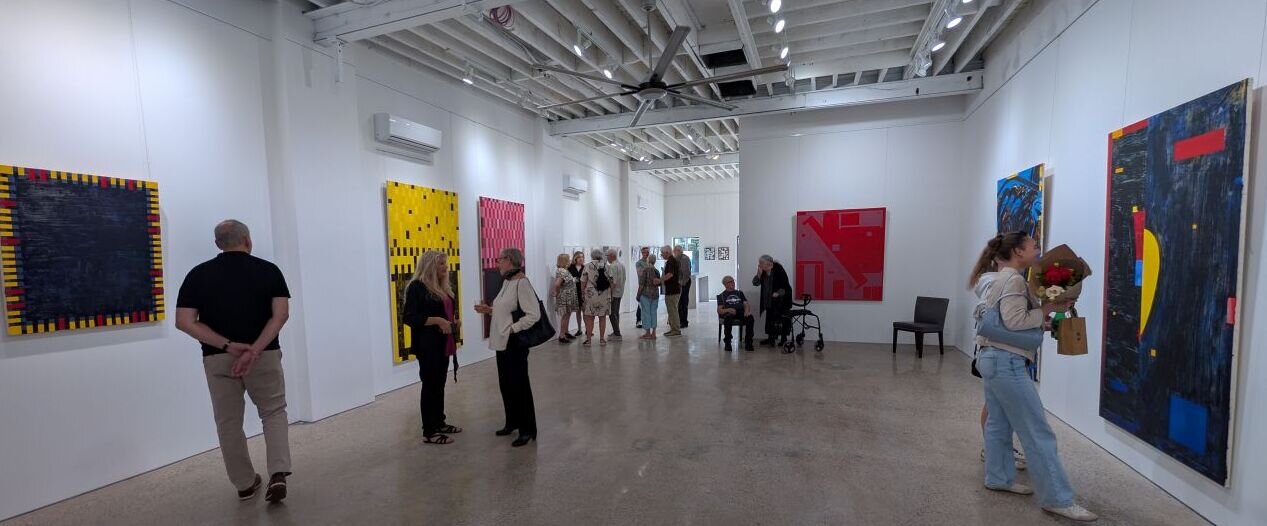
    Installation view of Ron Shuebrook, Selected Paintings at the modern.toronto

    Finally, we come back to the question of whether the modern.toronto’s mission is anachronistic. In many respects abstract painting in general is flourishing. And abstract expressionism in the broadest sense is still practised by many artists, as the shows at modern.toronto attest. But one cannot help but notice that almost all these artists are senior, belonging to a generation that has grown up with abstract expressionism. It is less clear whether the genre will survive over the decades as these artists die out. Let’s hope it does.

    Hugh Alcock

    Images are courtesy of the modern.toronto

    *Exhibition information: Ron Shuebrook, Selected Paintings, September 12 – 27, 2026, the modern.toronto, 230 Niagara Street, Toronto. Gallery hours: Sat – Sun 12 – 5pm.

  • William Ronald Radical

    William Ronald, a founding member of Painters 11, was a prominent Canadian abstract expressionist painter who would have celebrated his centenary this year. In honour of this milestone, the Christopher Cutts Gallery and the modern.toronto are hosting an exhibition showcasing his artwork to commemorate what would have been Ronald’s 100th birthday.

    Who is William Ronald and why is he so important to Canadian art?

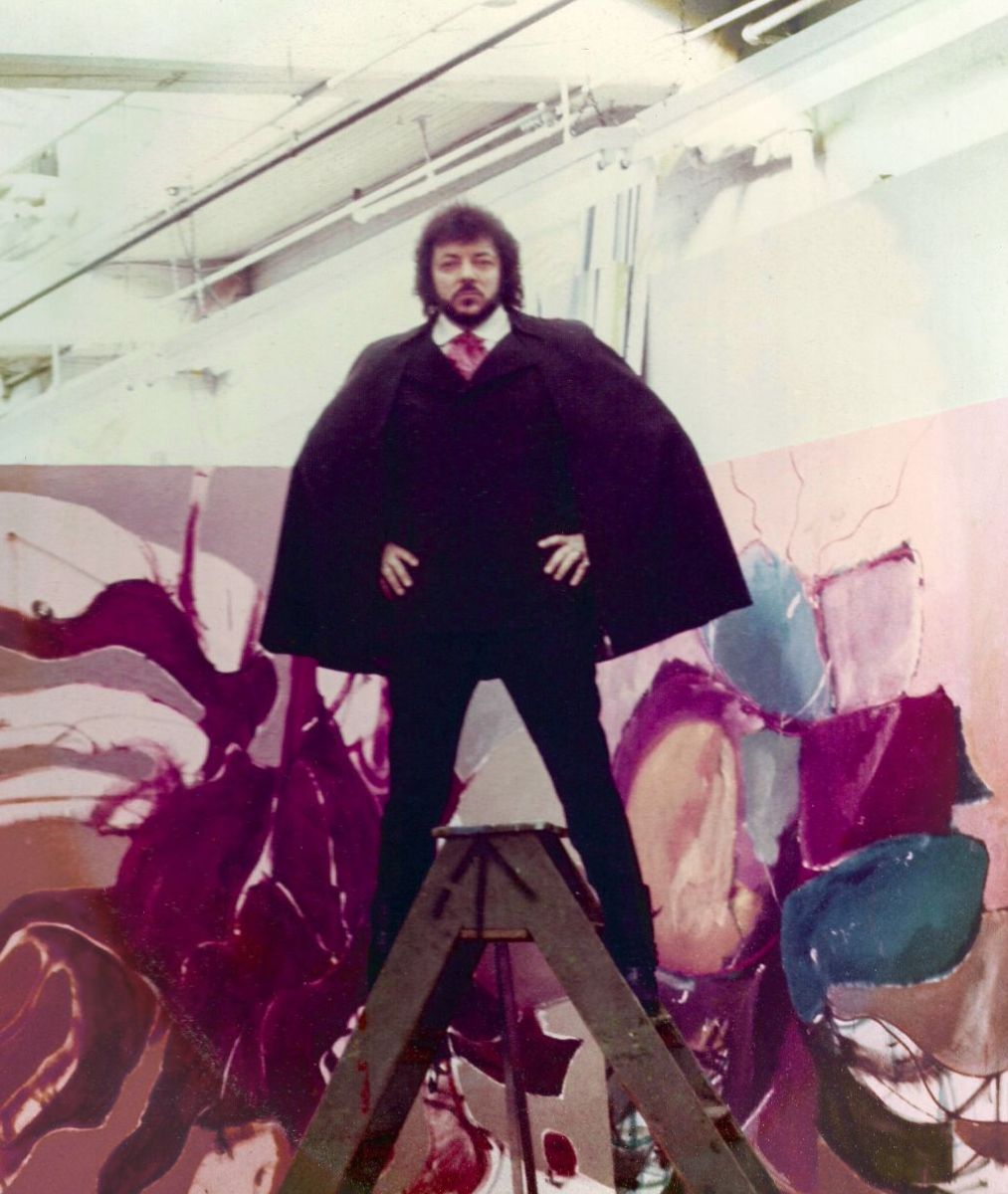
    William Ronald in his studio, 1970 in front of Altar, 1970, oil on canvas, 78 x 60 inches. Courtesy of the Christopher Cutts Gallery

    Many art historians, critics, and collectors alike call him one of Canada’s most critically acclaimed and internationally successful artists emerging in the 1950s. He was born William Ronald Smith in Stratford, Ontario in 1926.

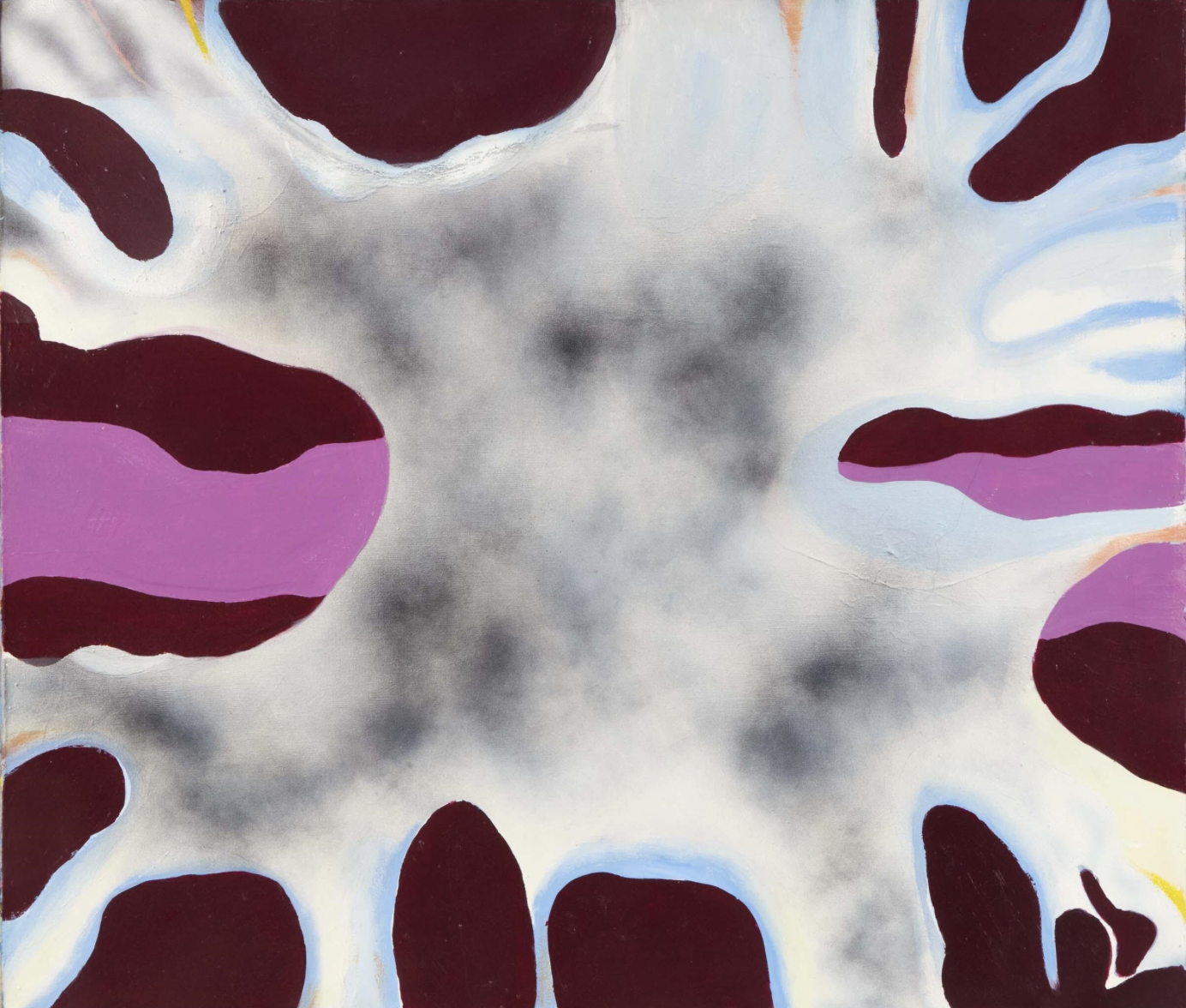
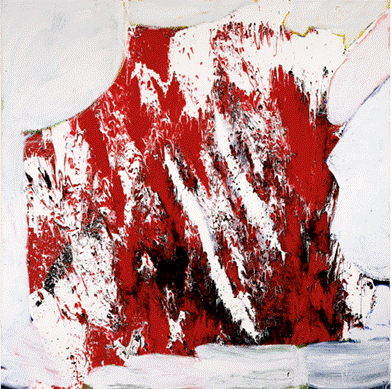
    William Ronald, Opus No. 3, 1963, oil on canvas, 36 x 42 inches. Private collection

    Ronald graduated from the Ontario College of Art in 1951 and then went to New York to study with Abstract Expressionist Hans Hofmann. Upon his return to Toronto, in a landmark exhibition, Painters Eleven was formed in 1953.  The group was accredited with bringing avant-garde American abstract expressionism into the mainstream Canadian art scene.  Ronald is best known for the crucial role he played in establishing this highly influential group.

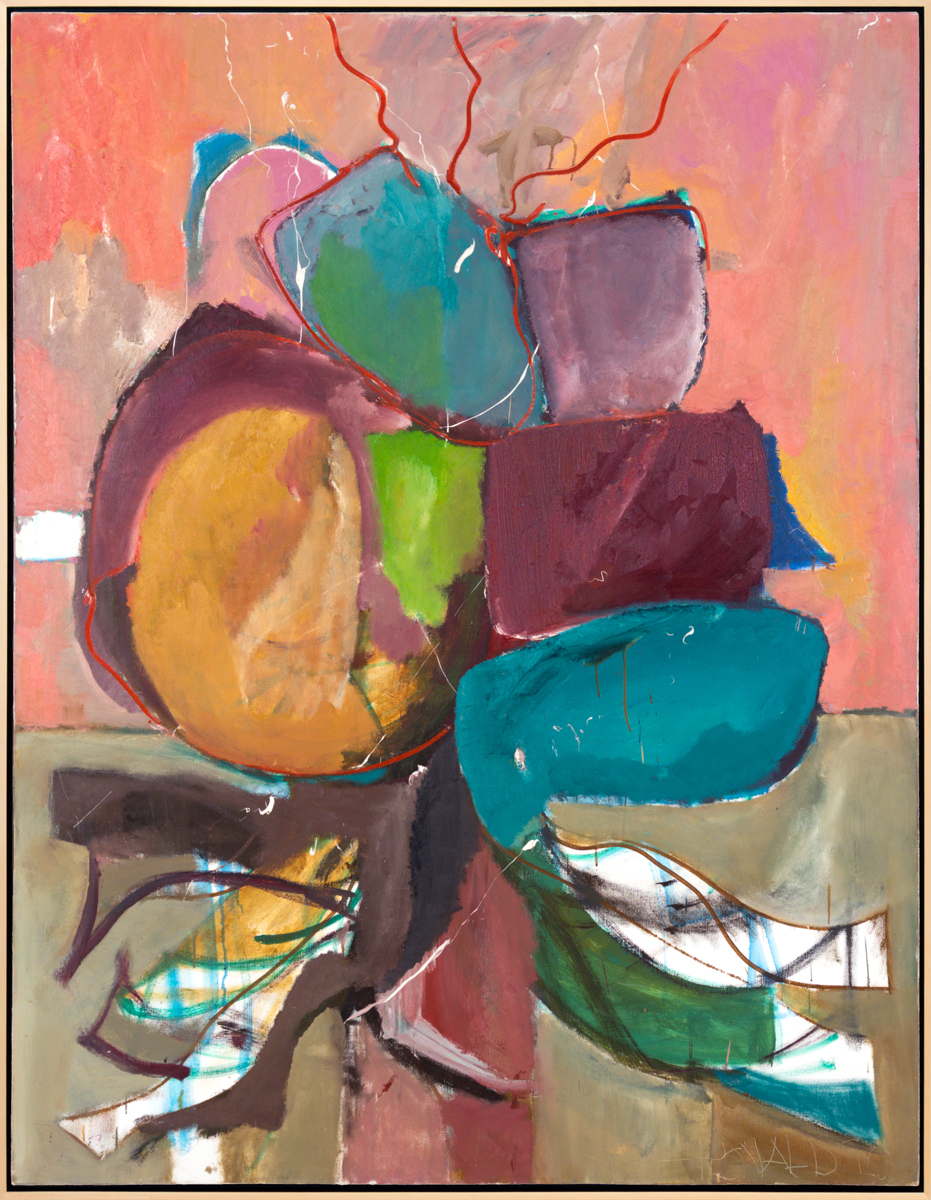
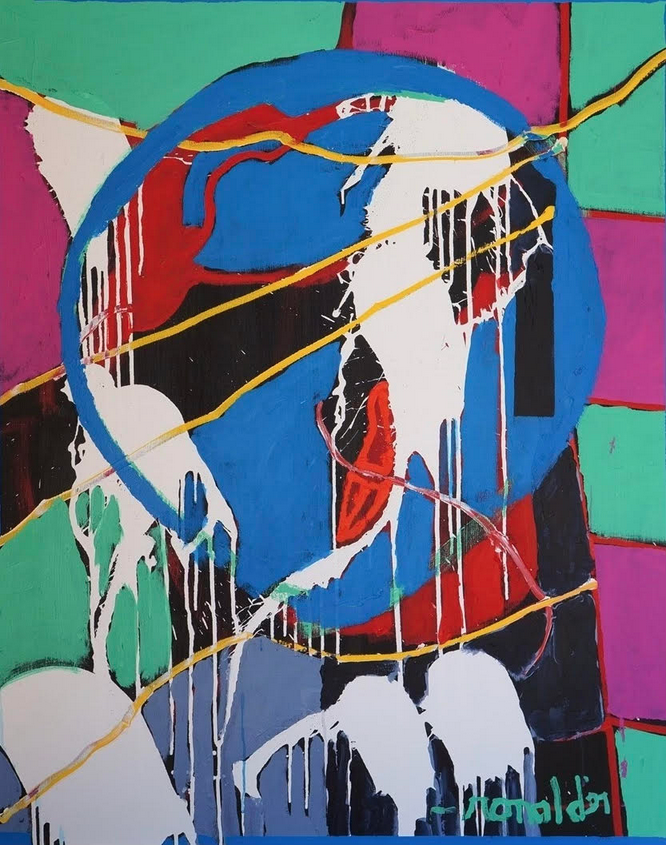
    William Ronald, Altar, 1970, oil on canvas, 78 x 60 inches. Courtesy of the Christopher Cutts Gallery

    Ronald was a flamboyant character with a love for the dramatic. He loved to paint in public, frequently hiring strippers and showgirls to dance around him as he painted. He was incredibly prolific creating large-scale, explosive abstract expressionist paintings that disrupted the traditional Canadian art market. His work evolved significantly over his career, shifting from raw, textured gestures into structured colour blocks, along with ambitious public murals. He became internationally famous for creating the central image style within abstract expressionism. Rather than scattering detail across the entire canvas, his paintings featured a singular, highly energetic focal point surrounded by aggressive brushstrokes.

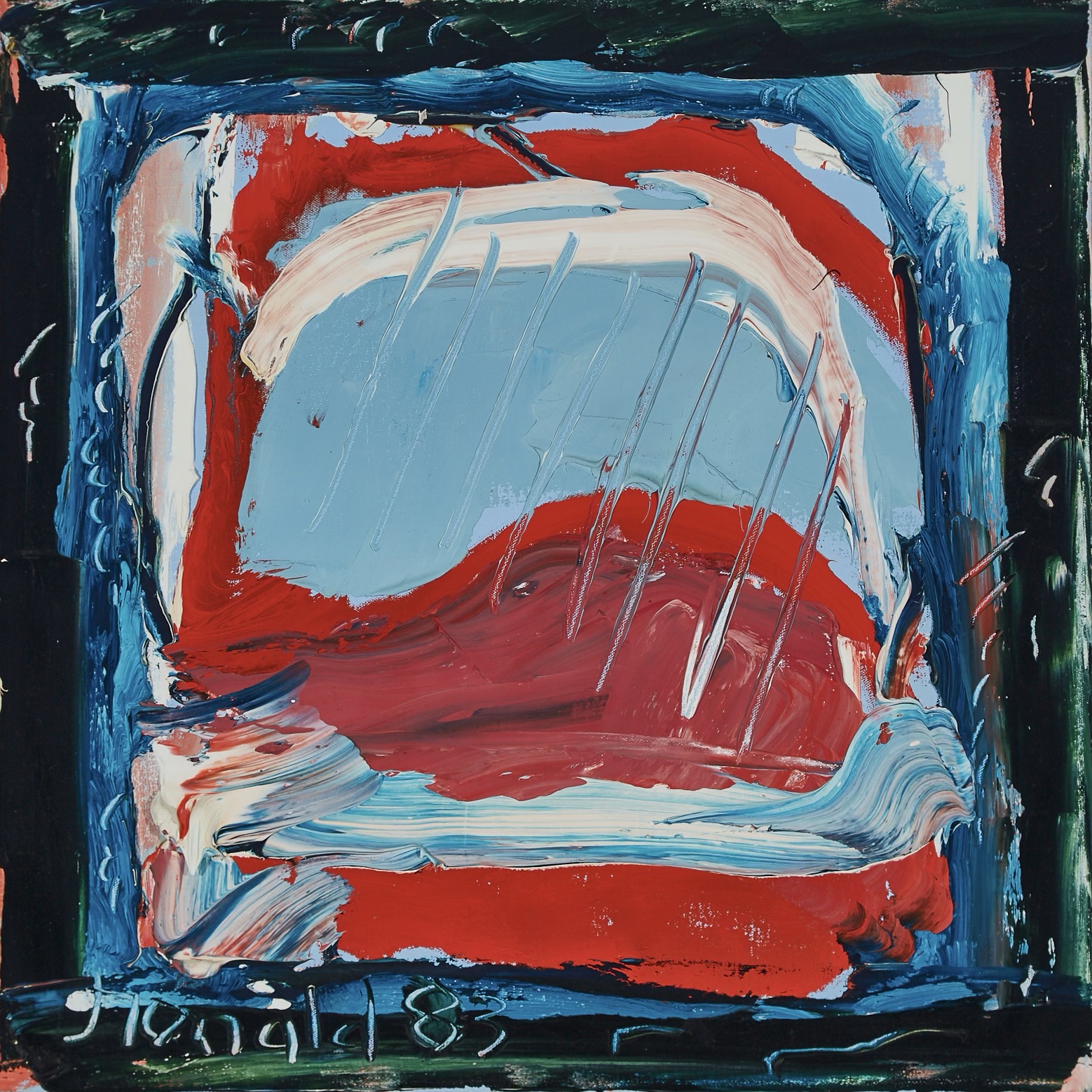
    William Ronald, Wellfleet Harbour, 1983, oil on canvas, 20 x 20 inches. Private collection

    Ronald moved back to NYC and eventually became an American citizen. He shared a studio with Frank Stella and joined the stable of artists at Manhattan’s Kootz Gallery. He was accepted by critics and collectors and enjoyed a period of success. Eventually, Ronald returned to Toronto and continued with his career that included work for CBC, CTV and CityTV as the host of a variety show. He continued to paint through the 1970s, ’80s and ’90s, moving to Montreal and then to Barrie, Ontario where he maintained an active studio.

    William Ronald, Jamine, 1997, acrylic on canvas, 48 x 36 inches, inscribed on verso “first painting executed at 21 Dunlop St. Barrie”. Private collection

    He continued to work until his death in 1998 when he suffered a heart attack while painting. However, he lived long enough to name the work Heart Attack.

    William Ronald, Untitled, 1997, acrylic on canvas, 72 x72 inches. Recognized as one of Ronald’s final work. Courtesy of the Christopher Cutts Gallery

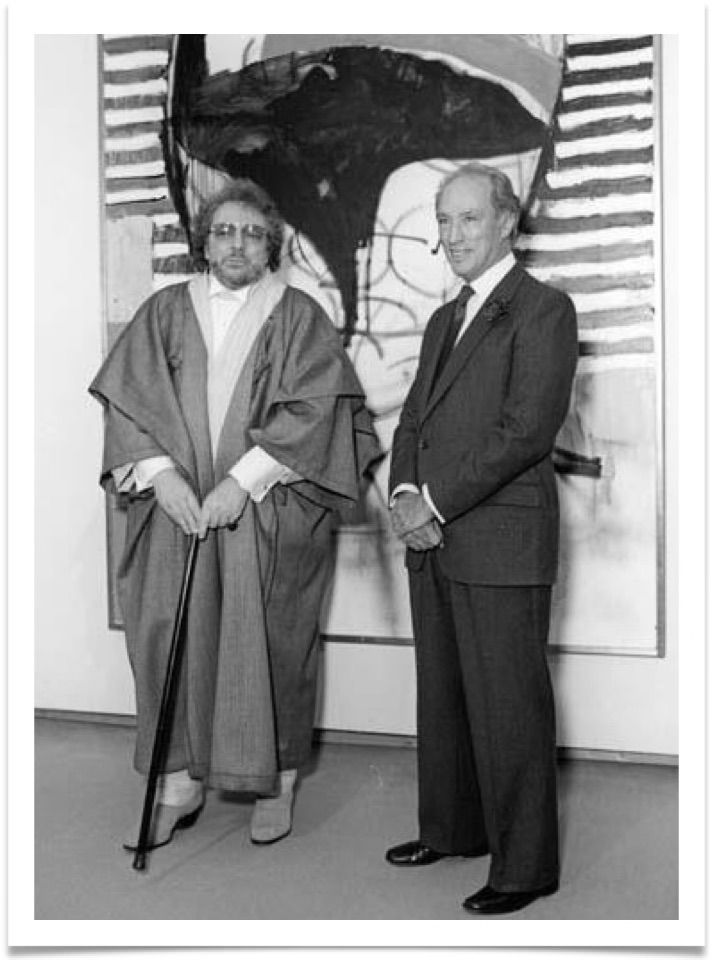
    Ronald won the International Guggenheim Awards, Canadian Section in 1956, and was part of the National Gallery of Canada’s Second Biennial of Canadian Painting in 1957.  In 1977, he was awarded a Canada Councils senior arts award to pursue his Prime Ministers project. He gained some notoriety for his portrait series of Canadian Prime Ministers, abstracted portrayals of heads of government opened by Prime Minister Pierre Trudeau in Toronto. The exhibition toured Canada. These works are in the permanent collection of the Kitchener-Waterloo Art Gallery in Kitchener, Ontario.

    1984 media photograph capturing Canadian abstract painter William Ronald standing alongside then-Prime Minister Pierre Elliott Trudeau in front of Ronald’s vibrant, non-representational portrait of the politician

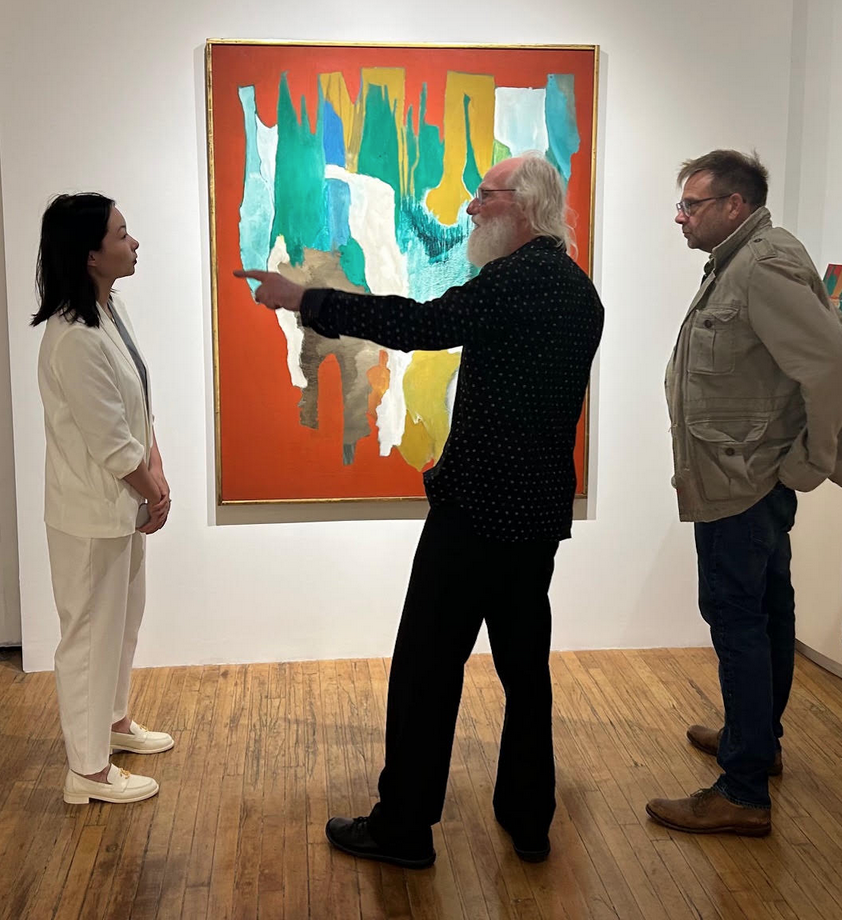
    The Christopher Cutts Gallery is hosting the exhibition from September 10th to October 10th, showcasing a selection of works spanning from the 1950s to the 1990s, including one of the artist’s final pieces that encapsulates his extensive creative journey. Cutts’s connection with William Ronald began serendipitously when Ronald entered the gallery, acknowledging his status as a member of Painters 11 with the declaration, “I’m here.” This encounter led to Ronald being represented by the Cutts Gallery. Ronald is a significant figure in the art world, with his works featured in major museum collections across North America, including The Museum of Modern Art (MOMA), the Solomon R. Guggenheim Museum, and The Whitney Museum of American Art, as well as numerous Canadian institutions such as the National Gallery and the Art Gallery of Ontario. A standout piece in the exhibition is titled September, a 1961 oil on canvas from the Rockefeller collection, measuring 60×50 inches, which was acquired from the Kootz Gallery in New York City. Additionally, the exhibition will include an Untitled painting from 1997, an acrylic on canvas measuring 72×72 inches, recognized as Ronald’s final work.

    Rayvin Chow, Christopher Cutts, and Michael Adamson are positioned before a 1961 oil on canvas 60 x 50 inches artwork entitled “September,” in conversation about the William Ronald paintings currently on display.

    The modern.toronto, will also host an exhibition commemorating the 100th anniversary of Ronald, showcasing works from private collections starting October 24th through to the end of November. This exhibition, curated by Lawrence Brissenden, who is currently cataloging Ronald’s extensive body of artwork. The William Ronald Authentic Inventory (WRAI), currently Version 5 catalogue raisonné project, highlights the artist’s remarkable contributions. Ronald, unquestionably the most flamboyant member of the Painters 11 group, produced a vast array of works, each accompanied by intriguing narratives from his life. Notably, he would often inscribe messages on the backs of his canvases, such as on his 1997 painting titled Jasmine, an acrylic on canvas measuring 48×36 inches where he inscribed “first painting executed at 21 Dunlop St. Barrie”. 

    Furthermore, Ronald will be historically acknowledged as one of Canada’s most prominent abstract expressionist artists, bringing abstraction to the forefront in the country. The exhibition at the Christopher Cutts Gallery, along with the forthcoming exhibition at the Modern Toronto Museum, represents a significant historical showcase, allowing viewers to experience a concentrated collection of works by the master William Ronald. These exhibitions are essential additions to any art enthusiast’s bucket list.

    Roy Bernardi and Jennifer Leskiw

    *Exhibition information: William Ronald “THE GREAT”, September 10 – October 10, 2026, Christopher Cutts Gallery, 21 Morrow Ave, Toronto. Gallery hours: Tue – Sat 12 – 6pm.
  • The Toronto Biennial of Art 2026

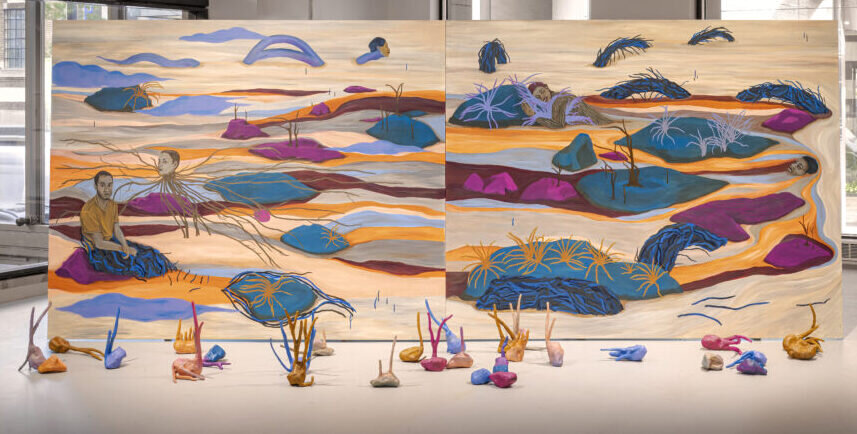
    Installation view of TBA with Tessa Mars, All Islands Touch, 2024. Photo: Toni Hafkenscheid

    The Toronto Biennial of Art (TBA), under the continued direction of Founding Executive Director Patrizia Libralato, opens with an extensive programming schedule for its fourth edition, titled Things Fall Apart. Running from September 26 to December 20,
    2026, the 12-week city-wide exhibition features works by over 30 artists and collectives, including 16 new commissions.

    Curated by Allison Glenn, Things Fall Apart is anchored by a central question: What can we learn from artists who explore rupture as an ontological tool or a way of understanding? Relying on the shared geographies of the Great Lakes as a place of departure, TBA 2026 also traces expansive, interconnected relationships between over twenty international waterways, trade routes, and voyages spanning five continents. The dialogue that emerges between these global waterways and trade networks expands upon an inquiry into waterways first seeded by the 2019 Biennial, which looked specifically at Toronto’s geographies.

    To explore these themes and geographical frameworks, the edition unfolds in three distinct parts: a central exhibition grounded in methodologies of collectivity, sovereignty, reflection, and refusal; a series of performances and artist-led programming that invites embodied engagement with these practices; and a collaboratively curated gathering in the form of a convening in three acts: An Arrival, A Grounding, A Departure. TBA 2026 opens with a weekend of performances and engagements, as well as the release of its exhibition catalogue, Things Fall Apart: Notes on Rupture.

    For more information please click here.

  • ArtWalk in the Square

    Cadillac Fairview Shops at Don Mills / September 18 – 20, 2026

    With 100 artists showcasing original paintings, photography, sculpture, and more, it’s your chance to discover unique art for your home. Connect with artists, and experience one of Toronto’s premier outdoor events.

    Hours:

    Fri, Sep 18: 3 PM – 8 PM
    Sat, Sep 19: 10 AM – 7 PM
    Sun, Sep 20: 11 AM – 5 PM

    Location:

    CF Shops at Don Mills (1090 Don Mills Rd., Toronto)

    Come explore a world of original art—meet the artists, hear their stories, and find inspiration in every corner.

  • The Modern Toronto Reopens

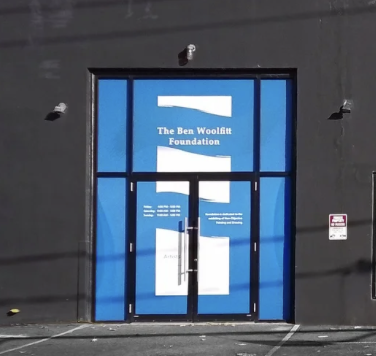
    The modern.toronto front doors at 230 Niagara Street

    The modern.toronto: The Ben Woolfitt Foundation Reopens With a Fresh Look and a Bold Celebration of Abstraction.

    After undergoing a complete renovation, the modern.toronto is preparing to reopen its doors at 230 Niagara Street with a grand reopening celebration on September 12th at 2:00 p.m. The newly transformed interior features more wall space and a clean, refocused aesthetic designed to put the artwork—and the experience of viewing it—front and centre.

    A thorough transformation of the museum’s interior

    The work of Ron Shuebrook and Steve Rockwell will be showcased, two artists whose work reflects the spirit of experimentation, energy and visual exploration at the heart of the modern.toronto. For a museum devoted to non-objective abstract art, the transformation of the space is more than cosmetic. More wall space means more room for art to command attention, while the newly refined interior creates an uncluttered environment in A New Look for an Unconventional Art Experience.

    The modern.toronto is a not-for-profit organization dedicated to educating the public and increasing the public’s understanding and appreciation of the arts. Its focus is distinctive: the museum exhibits and promotes modern visual art in the form of non-objective abstract art, presenting works by Canadian artists whose practices are innovative and influential.

    The newly renovated space reflects that philosophy. Clean lines, additional wall space and a more focused interior allow the artwork to take centre stage. Visitors can move through the gallery without visual distractions, giving each work the opportunity to make its own impression. And with abstract art, that impression can be remarkably personal. There may be no recognizable landscape, portrait or object to explain what a viewer is supposed to see. Instead, colour, line, shape, texture, movement and gesture become the vocabulary.

    “The question is no longer simply What is it? It becomes What does it make you feel?“

    Looking Beyond the Familiar

    Non-objective abstract art—or abstract expressionism—is a post-World War II genre of art that is nonrepresentational and improvisational. The style characteristically depicts non-organic images in an unstructured space, emphasizing emotional expression and technique. For audiences unfamiliar with abstraction, the experience can initially be challenging. But that uncertainty is also part of its appeal.

    The toronto.modern exhibition view before its renovation

    A single work can evoke movement, tension, calm, energy or emotion without depicting anything recognizable. Brushwork can become a record of physical action. Colour can establish mood. Layers and textures can reveal the process behind the finished piece. Rather than providing a single interpretation, abstract art leaves room for the viewer. That openness is central to the experience the modern.toronto seeks to create.

    The grand reopening will showcase the works of Ron Shuebrook in the main gallery and Steve Rockwell in the front gallery, providing visitors with the chance to experience two artists within the museum’s revitalized setting. Shuebrook is an abstract artist, a distinguished educator, and a writer whose works are included in the collections of the National Gallery of Canada, the Art Gallery of Ontario, the Art Gallery of Hamilton, the Beaverbrook Art Gallery, and the Art Gallery of Nova Scotia, among others. Rockwell, a long-established artist, writer, and publisher of dArt International magazine, views his publication as an extension of his artistic expression. Rockwell is a significant figure recognized throughout the art community and will be showcasing his newly created abstract forms. Their work provides an ideal introduction to the kind of artistic dialogue the modern.toronto is committed to encouraging: art that asks audiences to look closely, consider technique and engage with the emotional and visual possibilities of abstraction. With the renovated gallery offering more space to display the work, visitors will have an opportunity to experience the exhibition in an environment designed to allow the artwork to breathe.

    A Different Kind of Museum Visit

    Artist Katie Pretti delivering an artist talk regarding her showcased works.

    The modern.toronto hosts weekend afternoon artist discussions, where the currently exhibited artist discusses their work in the presence of an audience, elaborating on their creative process, medium and more. Attendees have the opportunity to engage in an intimate setting with the artist

    The modern.toronto occupies an interesting place in Toronto’s cultural landscape. It is not simply a place to walk through, glance at a painting and move on. Abstract art rewards attention. The longer a viewer spends with a work, the more details can emerge. A seemingly simple composition can reveal layers of colour. A spontaneous-looking gesture can expose extraordinary control.

    An arrangement of forms can shift depending on where the viewer stands. That makes a visit to the modern.toronto an active experience. By increasing public understanding and appreciation of the arts, the organization hopes to encourage audiences to engage with modern art rather than feel intimidated by it.

    “You don’t need to be an art historian to have a response to a painting. You simply need to look.”

    An opening at the modern.toronto before its renovation

    A Not-for-Profit Powered by Community Support. The modern.toronto is also committed to maintaining its work as a not-for-profit cultural organization. The museum gratefully accepts monetary donations and will issue a Charitable Donation receipt in return. Community support helps the organization continue its mission of exhibiting innovative and influential modern art while educating and engaging the public. As the museum enters this new chapter, that support becomes particularly meaningful.

    Located at 230 Niagara Street in Toronto, the museum will be open to the public every Saturday and Sunday from 12:00 pm to 5:00 pm. For longtime supporters, the reopening offers a chance to see a familiar institution in a completely new environment. For first-time visitors, it is an opportunity to discover a museum with a distinctive point of view. The walls may have changed. The space may be cleaner, brighter and more focused. But the invitation remains the same: Come in. Slow down. Look closely. And experience modern abstract art for yourself.
    On September 12th the modern.toronto opens a new chapter—one with more space, a renewed sense of purpose and the work of Ron Shuebrook and Steve Rockwell waiting to be discovered.

    Roy Bernardi

    Images are courtesy of the modern.toronto gallery.

  • Ry Van Der Hout: In Broken Light at Spadina Museum

    Ry Van Der Hout’s recent installation of works at Spadina Museum curated by Adrien Sun Hall is an active reimagination of the historical home’s many stories and the echoes of memories held within its ornate objects and spaces.

    In Broken Light acts as a journey through time where Van Der Hout starts at the creation of the universe and grapples with stories of past, present and futures, leading to death and hopeful rebirth. As you move throughout the floors of Spadina House, the chronological journey of each work reflects the many tales that the museum holds, both through its historical occupants and its current historians. These artworks accompany the museum’s restored 1920’s decor and allow viewers to immerse themselves within the history of the site while actively interpreting its stories through the lens of contemporary art. Its use of light as a natural fixture of the home through its windows, mirrors and sunlit rooms ties seamlessly to Van Der Hout’s chosen material and its reflective properties.

    Partly inspired by Hanya Yanagihara’s To Paradise and its storytelling of multiple timelines interconnected through a singular setting, this exhibition takes on the chronological stories of Spadina House’s inhabitants and pairs them within the contextual rooms of the house. Its conceptual approach is both a literal progression as the viewer travels upwards and a metaphorical reflection of real lived experiences, ones that fill the historical site with humanity and a sense of connection within disjointed narratives.

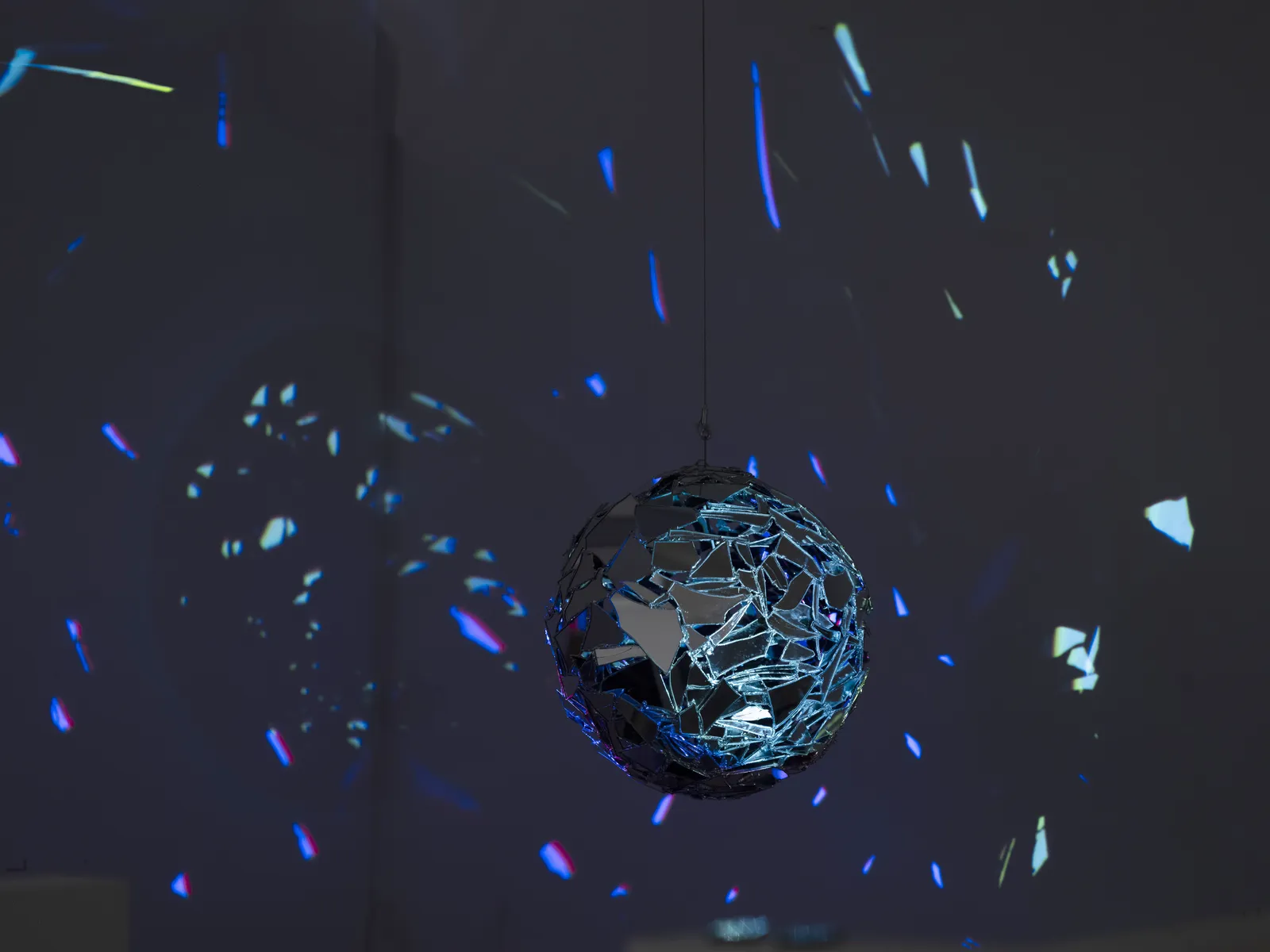
    The exhibition begins in the basement where two works are tucked away in the archeological dig sites of the Museum’s fieldstone foundation. The Shattering and Orpheus, Twice are enclosed within dimly lit brick ruins where both pieces illuminate the space through shards of broken glass. The former captures the fragmentation of a disco ball; mimicking ideas of shattered vessels found in creation stories by reflecting fragments of light across the room. The latter continues ideas of fragmentation while incorporating one of the first historical stories of Spadina House, that of Robert and Eliza Baldwin’s tragic romance. Tackling themes of longing in death and physical devotions, Orpheus, Twice beautifully embodies the artistic process and its connection to mending what was once broken.
    The Shattering, 2026, mirror, solder, copper, stainless steel, 28″ Diameter. Courtesy of the artist.

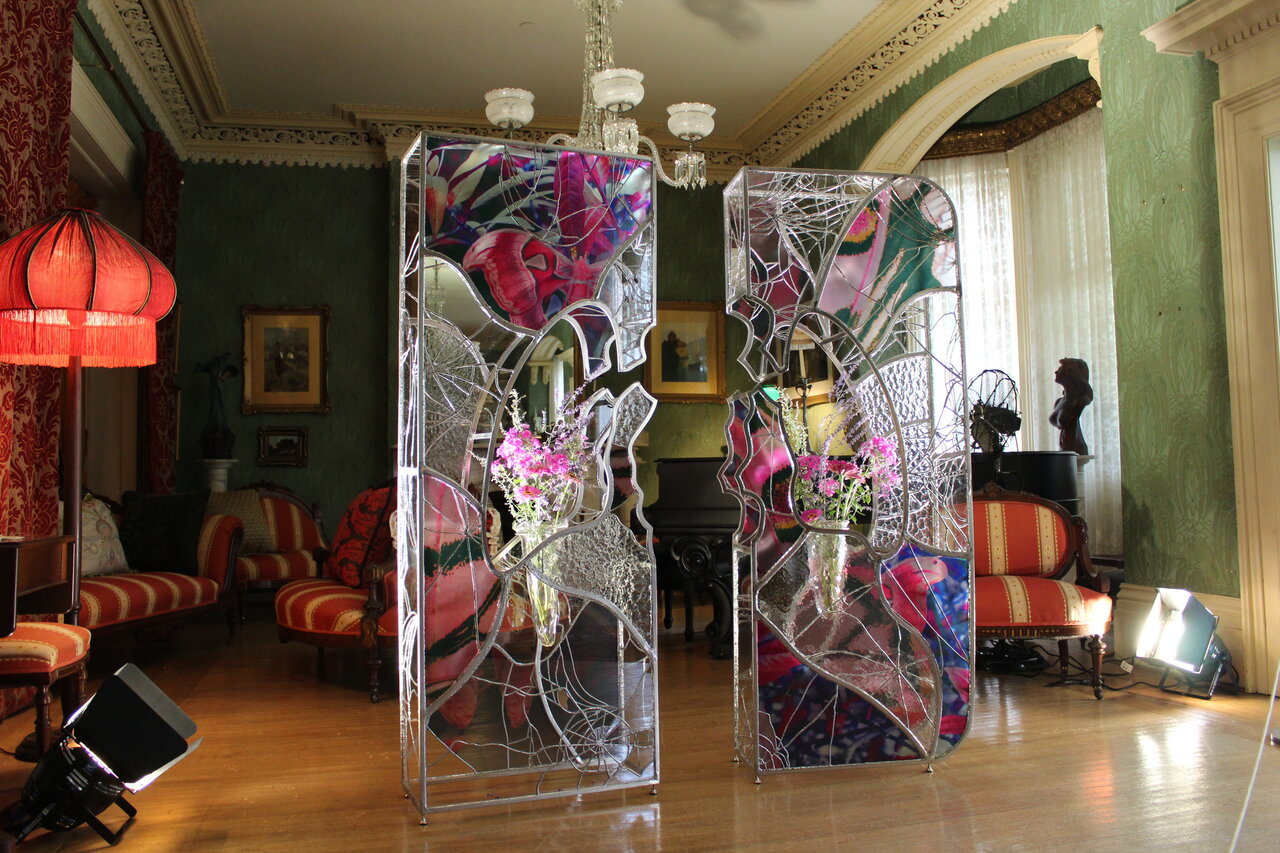
    Led by a museum guide to the first floor of the home, we are educated about the Austin family and their stories as they occupied Spadina House for most of its existence. Among them being Albert Austin, who contracted tuberculosis and sadly died at a young age, bringing a looming emptiness to the family house. As the centerpiece of this floor After – Breath acts as a reliquary where shattered glass and decaying flowers reflect the body’s inability to withstand expectations, pondering the weight of both the body and of the social obligations that follow with living such a lavish lifestyle. Positioned near an ornate drawing room, this piece hauntingly reminds us of the fragility of our own physical core while embracing the ephemeral nature of the living.

    Installation view with After – Breath, 2026, Glass, Uv Print on Glass, Solder, Steel Tin Coating, Flowers, 71″x71″x 12″. Photo: Marina Diolaiti

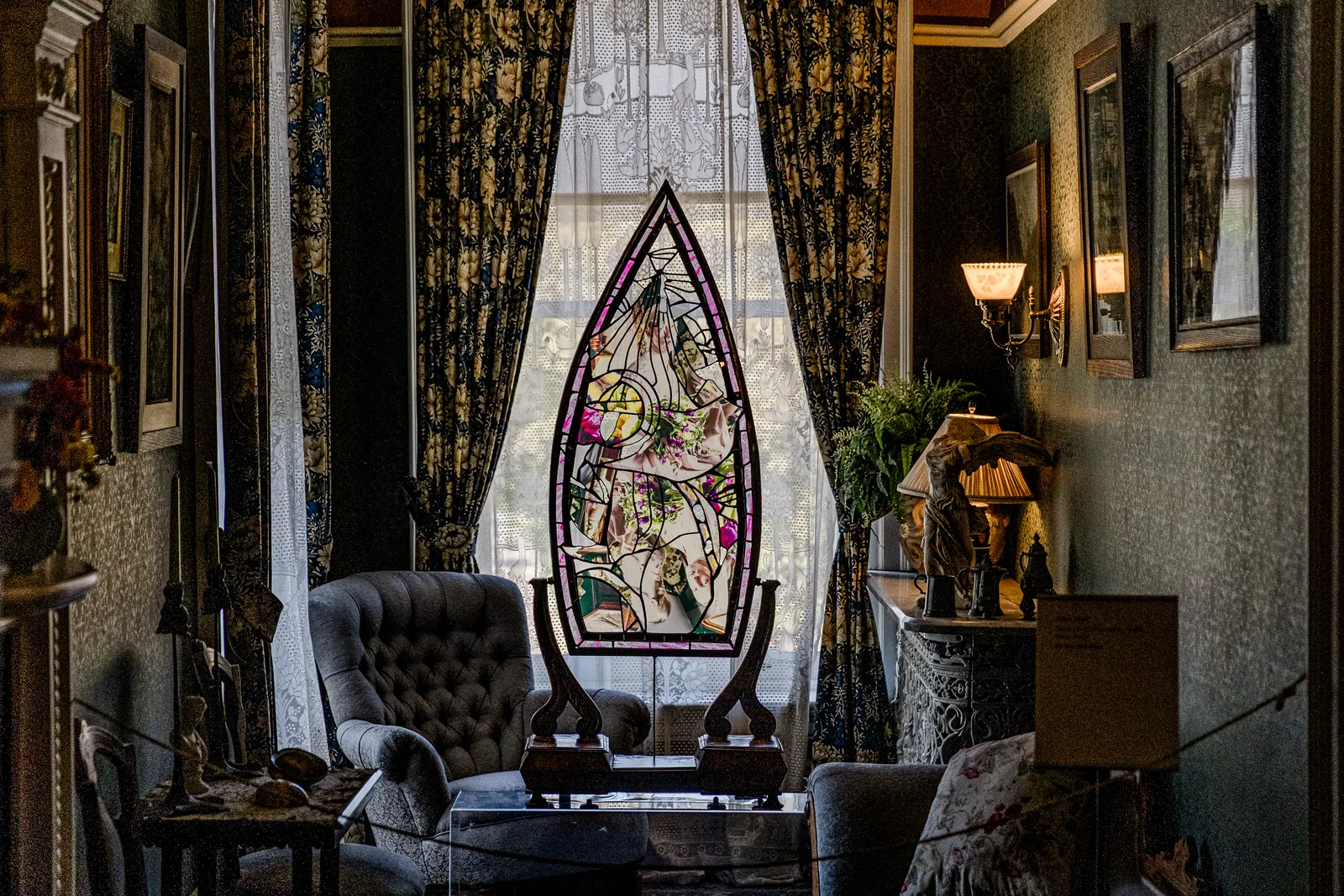
    Upon reaching the second floor, we instantly feel a sense of imposition as we are guided through the private bedrooms of past occupants. Tiber greets us in a small seating room near the main bedroom where its colourful shattered fragments reflect through the warmly lit window onto the quaint furniture, evoking the stained-glass techniques of gothic cathedrals. In this work, Van Der Hout flips the story of Narcissus into a tale of affirmation and reflection on one’s innermost self while telling the story of a contemporary historian who serendipitously found their way to the museum through an innate desire to collect old antiques. While the work is smaller in presence and tucked within the quiet atmosphere of the main lady’s bedroom, Tiber is a beautiful ode to the present and the many stories that Spadina Museum continues to create.

    Tiber, 2026, UV Print on Glass, Steel, Antique Mirror, Solder, Copper, Wood, 16″ x 47″x 6″. Courtesy of the artist.

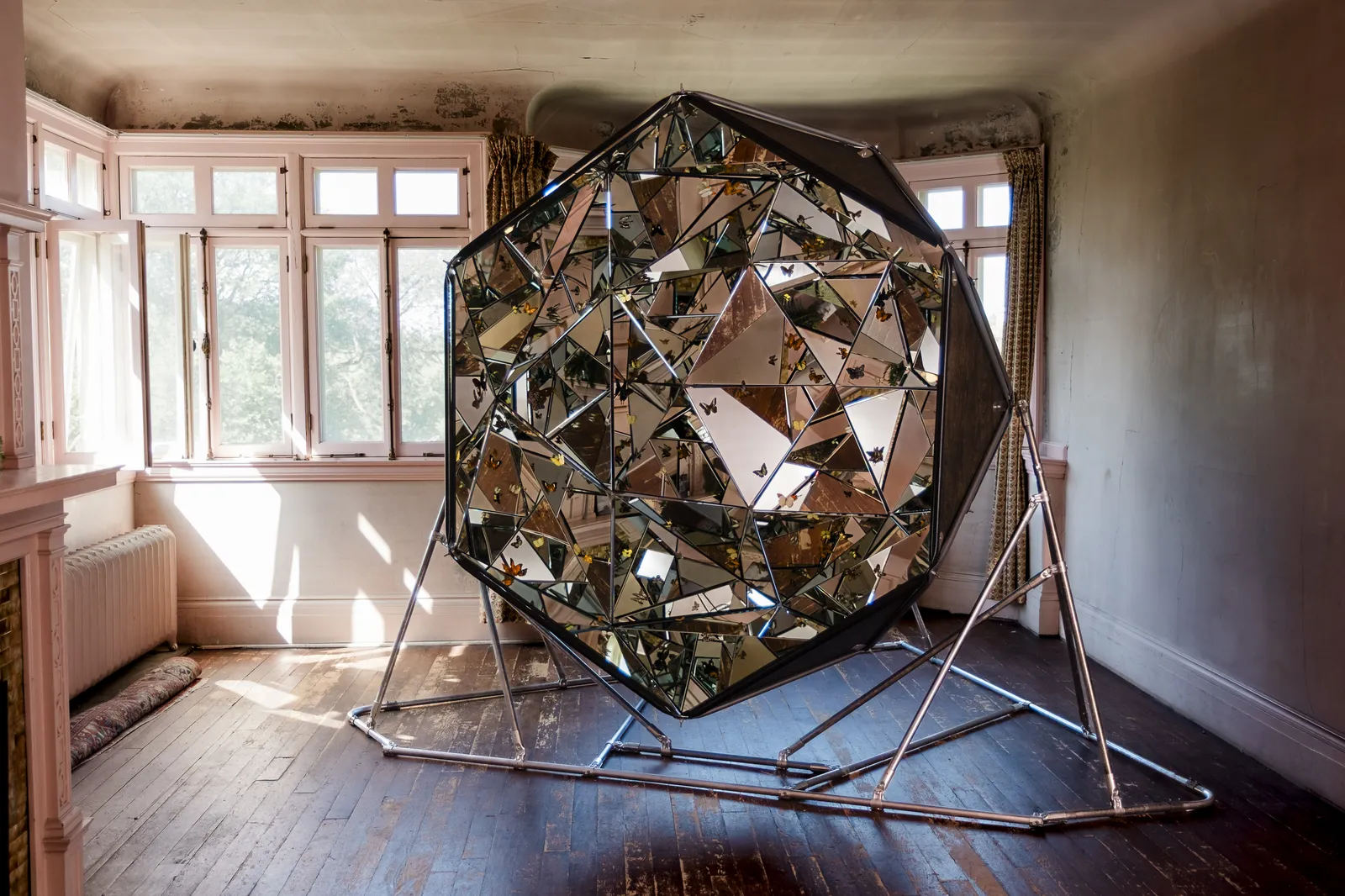
    As we reach the third and last floor of the house, we enter the servants’ quarters and additional bedrooms, which all carry a sense of emptiness in the faded original wallpaper and in the antiquated practices of keeping household servants. As we discretely walk through each room, we are eventually faced with an empty sun filled space where Open Wing Death transports us through its reflective interior housed by hundreds of moths and butterflies. The hexagonal dome fully immerses us into Van Der Hout’s fictional future where organisms take over restoration efforts, completing the natural cycle of decay and rebirth. Through its reflections, the work immerses us within multiple perspectives of the family’s unrestored bedroom and acknowledges the temporality of such a fragile historical site.

    Open Wing Death, 2026, Moths, Butterflies, Mirror, Coated Steel, Wood, Silicone, 12′ x 9′ x 12′. Courtesy of the artist.

    In Broken Light successfully delivers on the daunting task of reanimating a historical site while honouring its past, present and future stories through immersive contemporary art. While Spadina House already holds a storied history, it is through these artworks that we feel the space being thoughtfully revived by taking on new perspectives that reflect a critical approach to recollections of the past. The exhibition’s attentive curation of a rich historical home balances the need for contemporary voices while preserving the complexities that any historical site might undergo in nearly two hundred years. By uncovering these layers of history, Van Der Hout’s work centralizes the importance of objects embedded with experiences that reflect forgotten historical lineages and brings them back into the light.

    Marina Diolaiti

    *Exhibition information: Ry Van Der Hout, In Broken Light, August 26 – Oct 18, 2026, Spadina Museum, 285 Spadina Road, Toronto. Museum hours: Wed – Sun 11 am – 5 pm.

  • Propeller Art Gallery Turning 30

    The Interview questions with Propeller Art Gallery were answered by Tiffany Duong, Susan Ruptash and Anna Dopico, the organizers of the Propeller 30 Exhibition (PAG). Interview questions by Phil Anderson (PA).

    Video still (L-R) Tiffany Duong, Susan Ruptash, Snaige Sileika, Anna Dopico

    PAG: The biggest one is that our Board Secretary and Exhibition Co-organizer, Anna Dopico, has written a fabulous book commemorating our first 30 years.

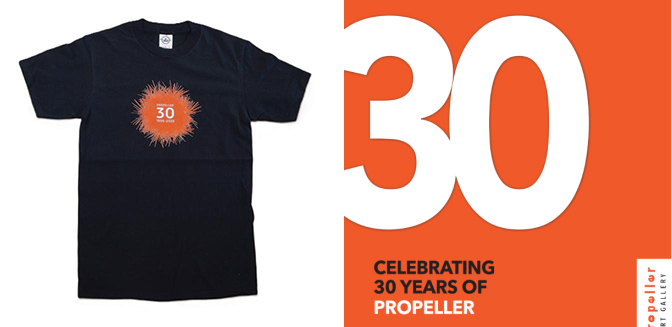
    You can see a copy in the gallery, or read more information here. We also made T-shirts using the logos designs by our long-standing member, Keijo Tapanainen.

    T-shirt (left) book cover (right)

    PAG: Certainly the day we learned that our landlord Artscape was going into receivership was one off the darkest days for us. But the gallery has faced other challenges in the past as rents rose on Queen West and financial uncertainty loomed from time to time. The resilience and bravery of the founding and past members gave us the resolve to dig deep and save the gallery.

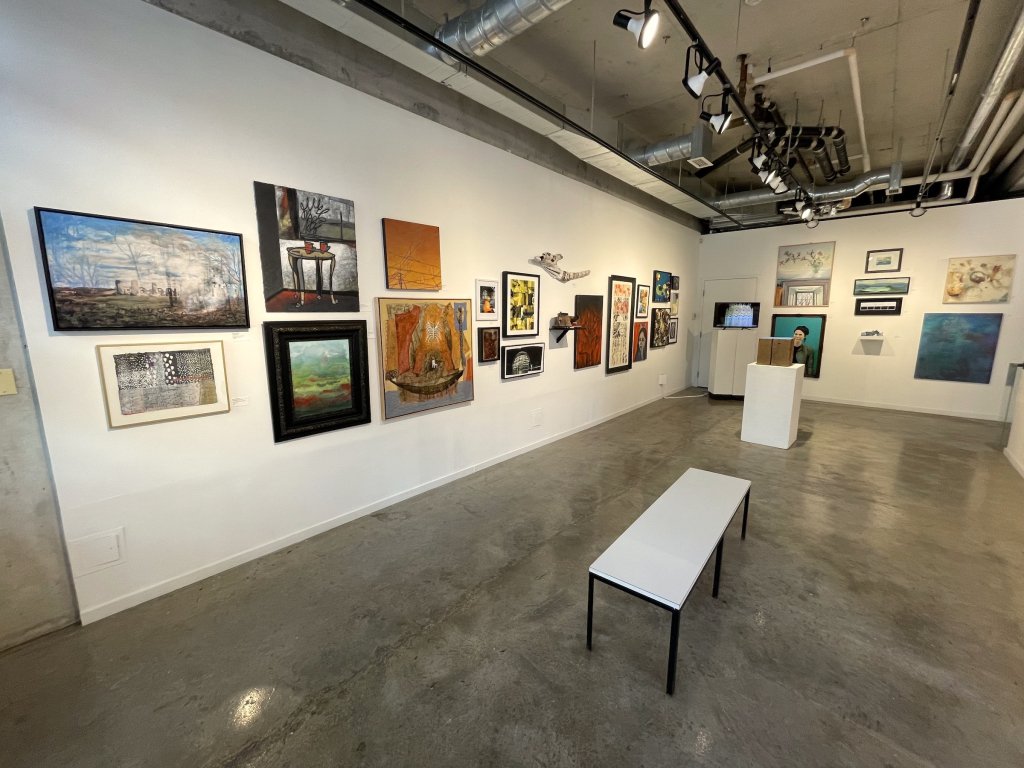
    Installation view of Propeller 30 at Propeller Art Gallery

    PAG: We have been an artist-run Not for Profit organization since inception. Being artist-run means that each one of our members feels a pride and responsibility to each other and to the gallery as an enduring entity.

    PAG: We want to continue to diversify our membership and attract a wide range of artists. We also want to continue to expand our connection with the general community. As the gallery continues to attract more interest and more submissions, managing the workload of our volunteers and employees remains an ongoing issue.

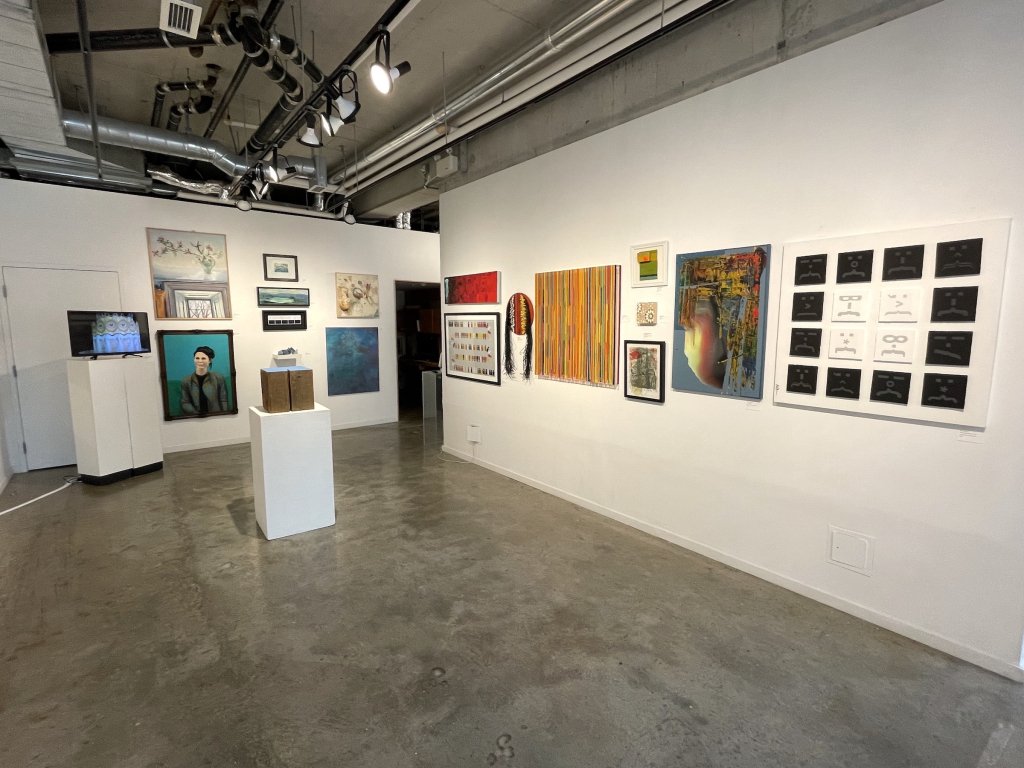
    Installation view of Propeller 30 at Propeller Art Gallery

    PAG: Our Open Mic happens this coming Sunday September 6 and we are looking forward to hearing the stories. We hope you can join us!

    As part of the current exhibition, we asked artists to reflect on what Propeller means to them, and it was very touching to read how many artists have been deeply affected by Propeller throughout the years. There is also a printed copy of their opinions in the Gallery.

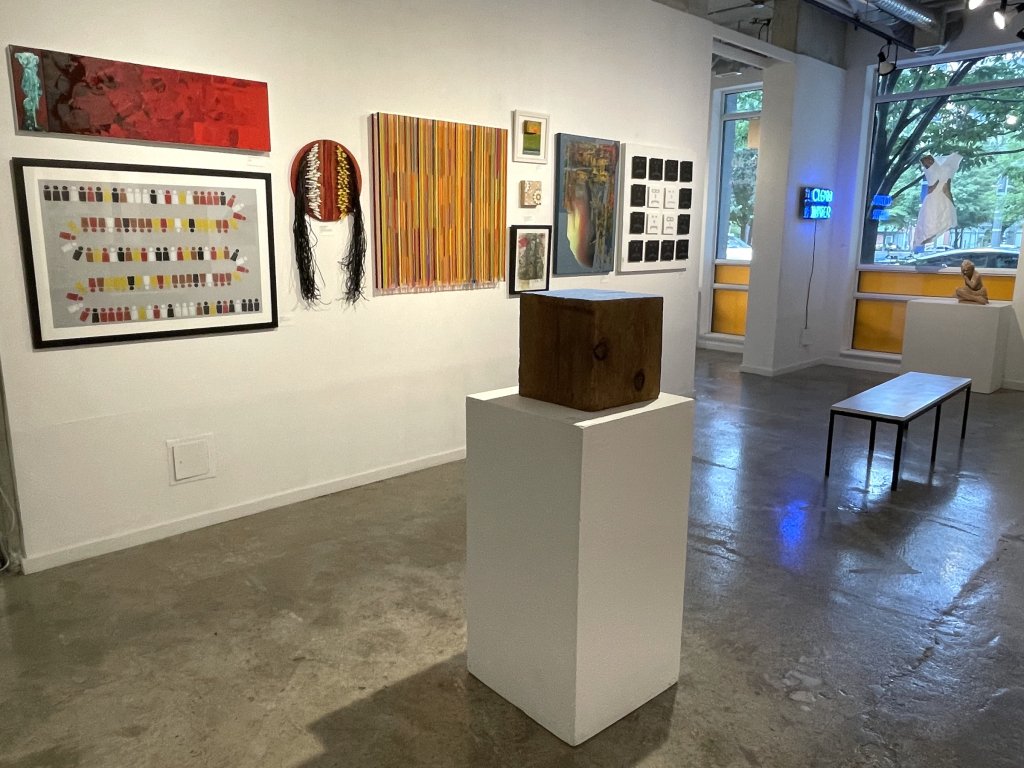
    Installation view of Propeller 30 at Propeller Art Gallery

    PAG: The financial realities of Toronto make it a serious challenge for emerging artists to find spaces to exhibit. We are proud to be one of the long standing artist-run galleries, and our role in offering a space and a community for artists.

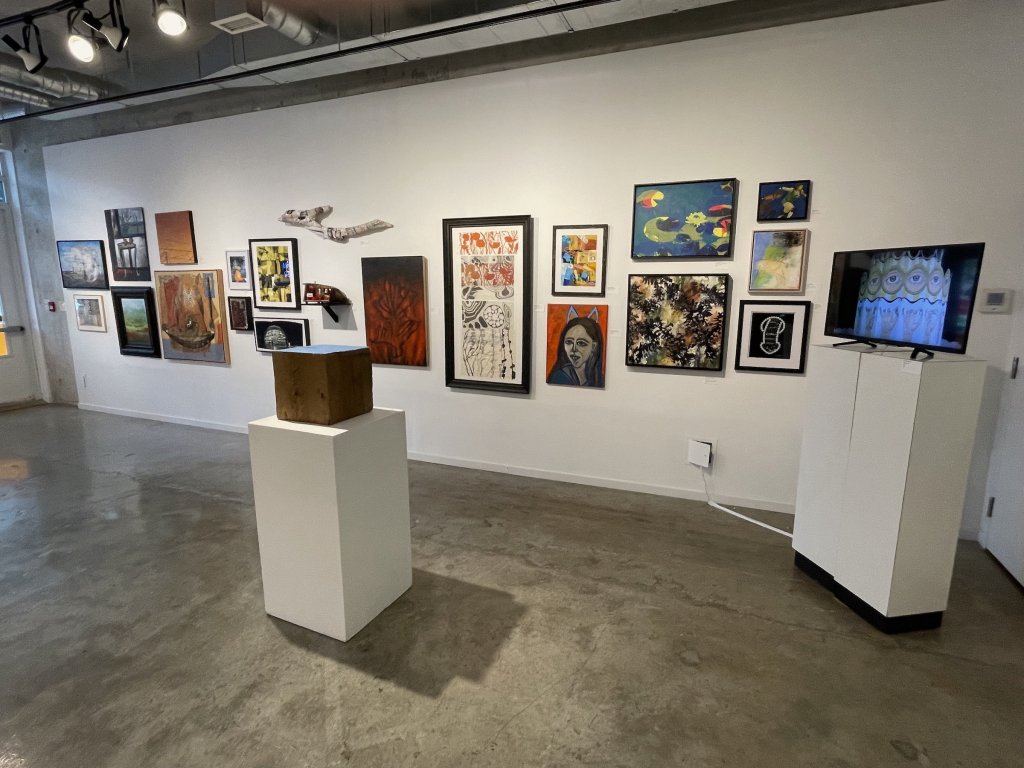
    Installation view of Propeller 30 at Propeller Art Gallery

    PAG: We worked hard to reach out to as many of our Alumni as possible and we are thrilled with the response from both current members and alumni. We had no idea how many artworks we would get. The absence of a specific exhibition theme could have meant a challenge to curate the works into a cohesive exhibition, but Tiffany Duong, one of the co-organizers, did a masterful job in arranging and organizing the artworks.

    PAG: With the assistance of an Ontario Trillium Grant, we are undertaking some renovations later this year to improve the accessibility of the gallery. We want to be welcoming to everyone.

    Installation view of Propeller 30 at Propeller Art Gallery

    PAG: It was stressful at times, but we never gave up hope. Once we resolved to try to save our space, everyone worked hard to pursue every possible avenue. At the same time, we believed that even if we were not successful, Propeller would continue in some form. We were not going to let Propeller end on our watch.

    Installation view of Propeller 30 at Propeller Art Gallery

    PAG: Our annual fundraising event in December, Off the Wall, is so much fun and a highlight in our year. Our fall programme includes great pairings of members, both newer and long-standing, including a few small group exhibitions. Our first exhibition of 2027 continues our tradition of supporting our Emerging Members with an exhibition. For the first time, we are including our New Members as well.

    Images are courtesy of Propeller Art Gallery

    *Exhibition information: Propeller 30 / Anniversary group exhibition, August 19 – September 6, 2026, Propeller Art Gallery, 30 Abell Street, Toronto. Gallery hours: Wed – Sat 1 – 5:30 pm, Sun 12 – 4 pm.

  • Six Positions in Abstraction at The Red Head Gallery

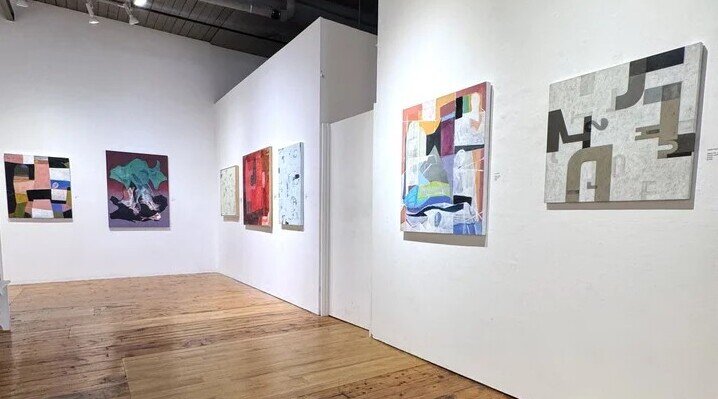
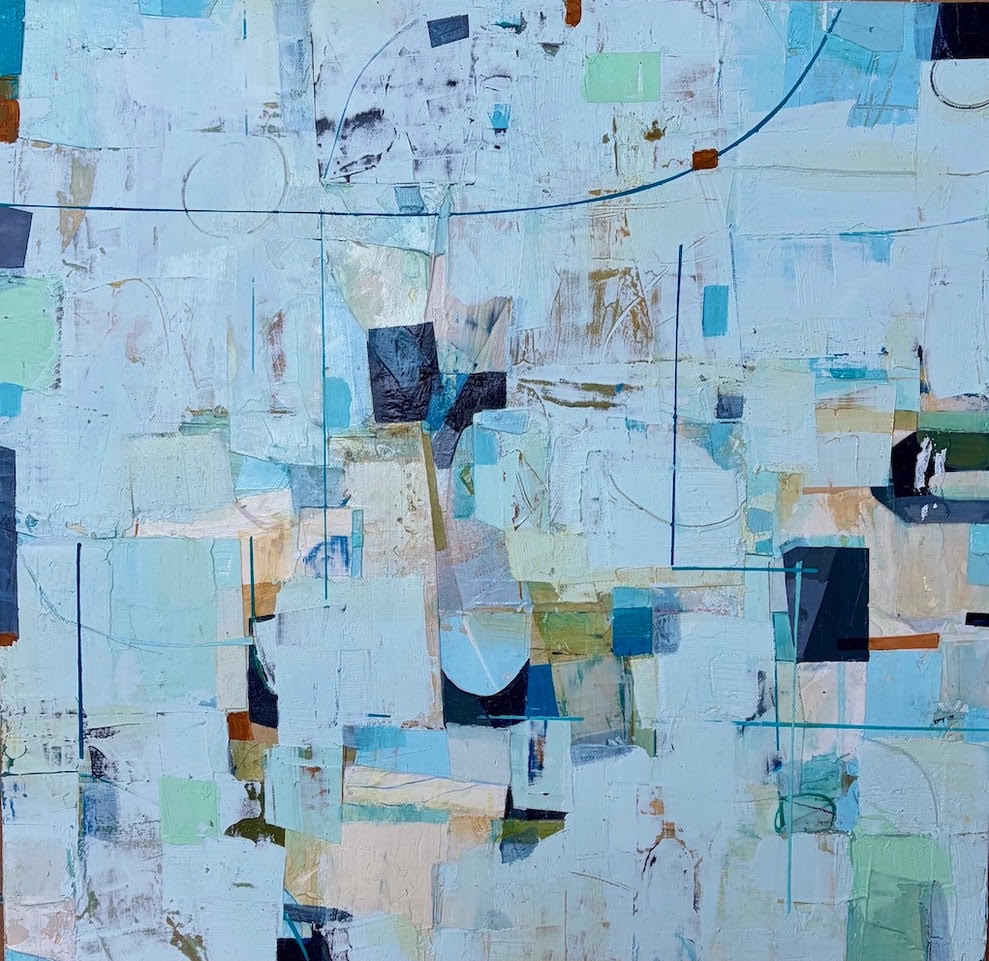
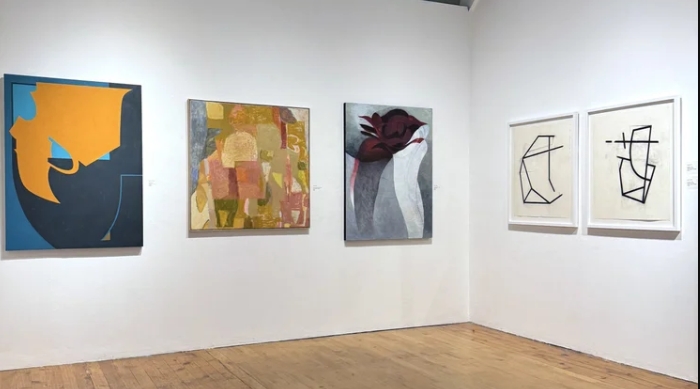
    The Red Head Gallery at 401 Richmond St, W is a relatively compact space, but for this show a surprising number of abstract paintings are on display. The works of the six artists are each hung one besides the other in turn, to surround the entire space. A major reason that so many paintings can be accommodated is that they cohere so well. And as their write-up states: “the works resonate through their common investment in colour, structure and the expressive potential of paint”. But these listed features are shared by such a variety of abstract painting that it hardly explains why this particular set of paintings fits together, why they resonate.

    In one sense the artists selected one another after a process of showing at the common venue of the Carnegie Gallery, Hamilton, and most recently together at Joshua Farm Gallery, Oakville. They all hail from the Hamilton/Niagara region. They are peers who have each ‘had long-running practices’, as they put it. Several of them began their art educations in the late 1970s. That was a time when the mainstream was beginning to accept abstract art.

    Installation view of Six Positions in Abstraction at Red Red Gallery. Courtesy of The Red Head Gallery

    At the Ontario College of Art in the 1970s, for instance, a revolution of sorts took place when a power struggle among the faculty ultimately led to the overthrow of conservative traditional painting, to be replaced by the latest practices of the international art scene epitomised by the art of New York City. And so both Ian MacKay and Barry Coombs, who studied there at the end of the 1970s, were exposed to the celebrated abstract paintings of the expressionists, colour field painters and the post-minimalists. These movements epitomised the height of abstractionism in art. In other words, the six painters were part of the first generation who grew up with the grand abstract paintings at the end of the modernist era. It was the tradition they inherited.

    Our six painters – Barry Coombs, Jody Joseph, Peter Kirkland, Janice Kovar, Ian Mackay and Marla Panko – have essentially kept faith with the modernist universalist agenda, that is, the view that art ought to concern itself with what is common to us all, notwithstanding the idealism and presumptions behind this view. As such there are no overt cultural or ethnic markers in their works. Their focus is exclusively on formal and emotional qualities using the medium of paint.  

    So in this show we have the works of a collection of painters who have a common artistic outlook. As a result their works share an agenda in a very loose sense – the aim, roughly, of exploring the formal and emotional qualities that painting licenses, and which are distilled and highlighted by abstraction in particular. Let’s briefly look at each of them in turn.

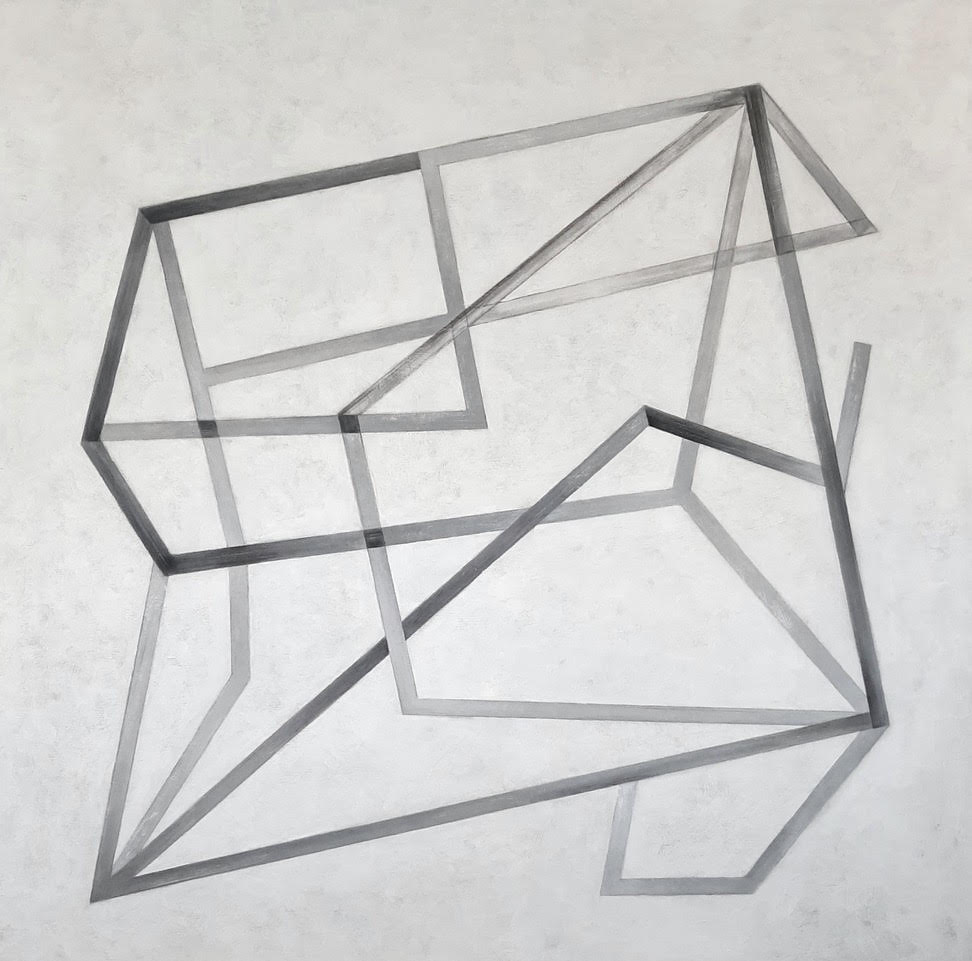
    Throughout her long career Panko has experimented and produced an enormous variety of work, from collages to sculpture. In this show we encounter her sparest, almost minimalist works consisting of bold linear shapes rendered in black-and-white. She masterfully highlights, with a few lines, the illusionistic quality of space rendered on a two-dimensional surface.

    Marla Panko, Laocoön 2025, acrylic on wood, 36 x 36 inches

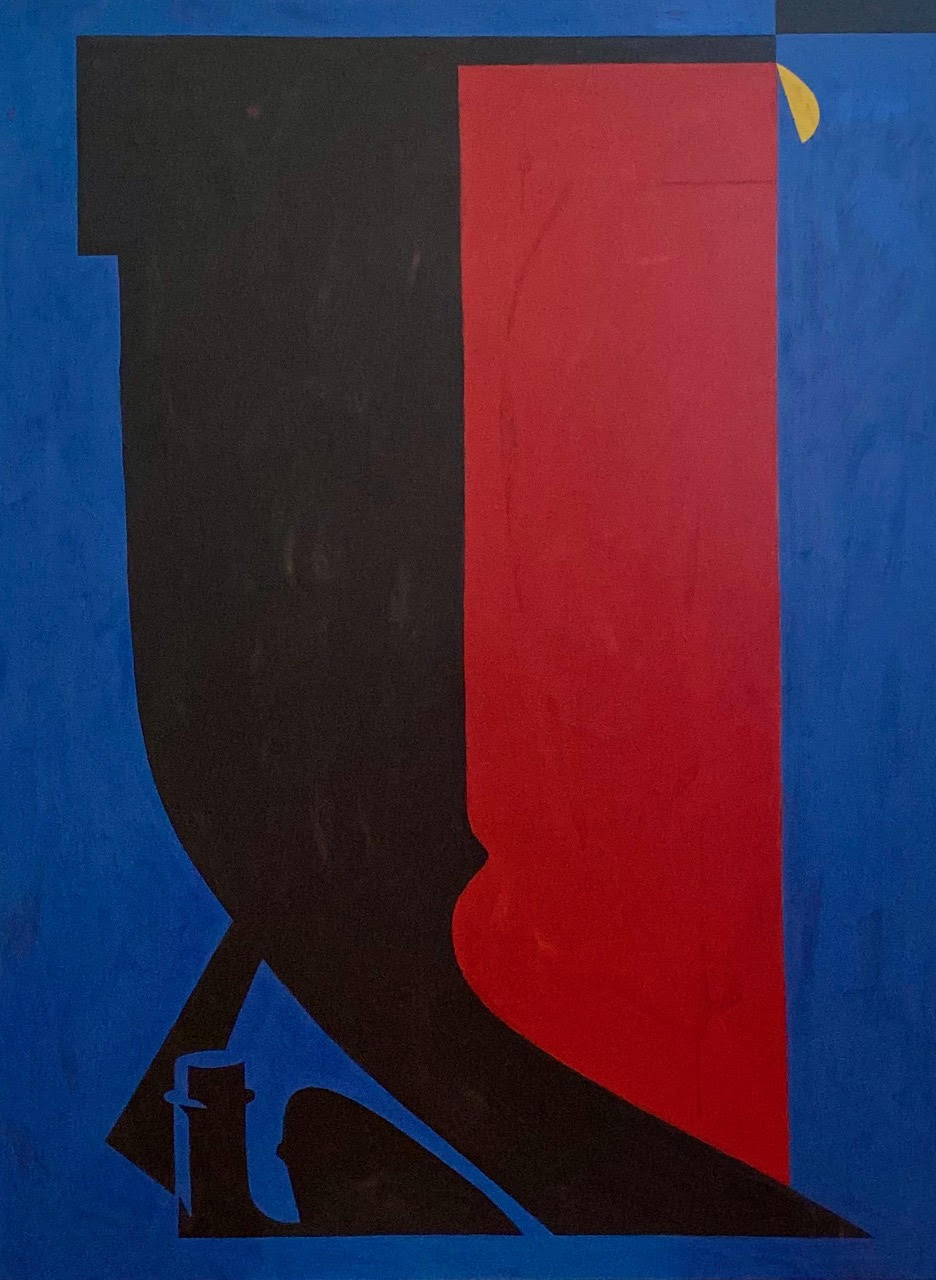
    The two-dimensionality of painting is celebrated by Coombs and Mackay more literally. The works of both artists involve the division of the pictorial surface into shapes. The very act of doing this creates spatial illusion, but in this case the spotlight turns onto structure and colour themselves. For Coombs the division of the paintings’ surfaces is hard-edged, and consequently has a cerebral quality to it. His aim, he tells us, is to bring out the magical visual qualities at play in the mundane world, e.g., the way shadows are cast. And that he does wonderfully.

    Barry Coombs, METER #1, 2026, acrylic on canvas,  48 x 36 inches

    For Mackay, on the other hand, his looser rendering reflects a playfulness in his work. His paintings often sit on the edge of representationalism, in as much as some elements hint at the depiction of this or that object, or architectural detail perhaps. He has developed an assured touch that betrays a unquestionable mastery of abstraction.

    Ian Mackay, Templum, 2026, oil on wood, 36 x 30 inches

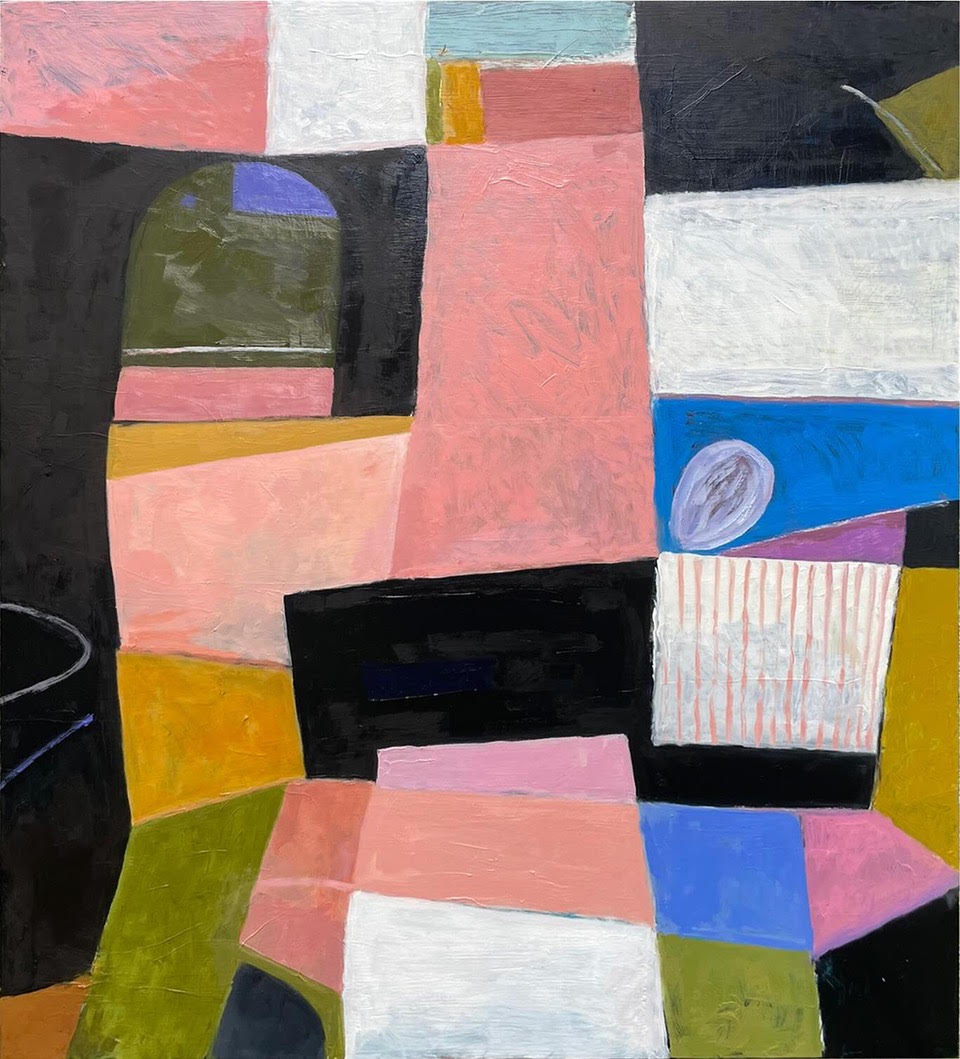
    The works of Joseph and Kovar emphasize the physicality of paint. Both celebrate the material surface and the seductive qualities of paint itself. Every painter has felt its seductiveness, has fallen in love with it. That is especially true of abstractionists. Joseph has spent a great deal of time working in Italy, and that has influenced the pallette and compositions of her paintings. Indeed, she tells me that as well as painting abstracts she has long had a practice of painting the Italian landscape, and luscious Cézannesque still-lives.

    Jody Joseph, Montecastello, 2026, oil on canvas, 40 x 44 inches

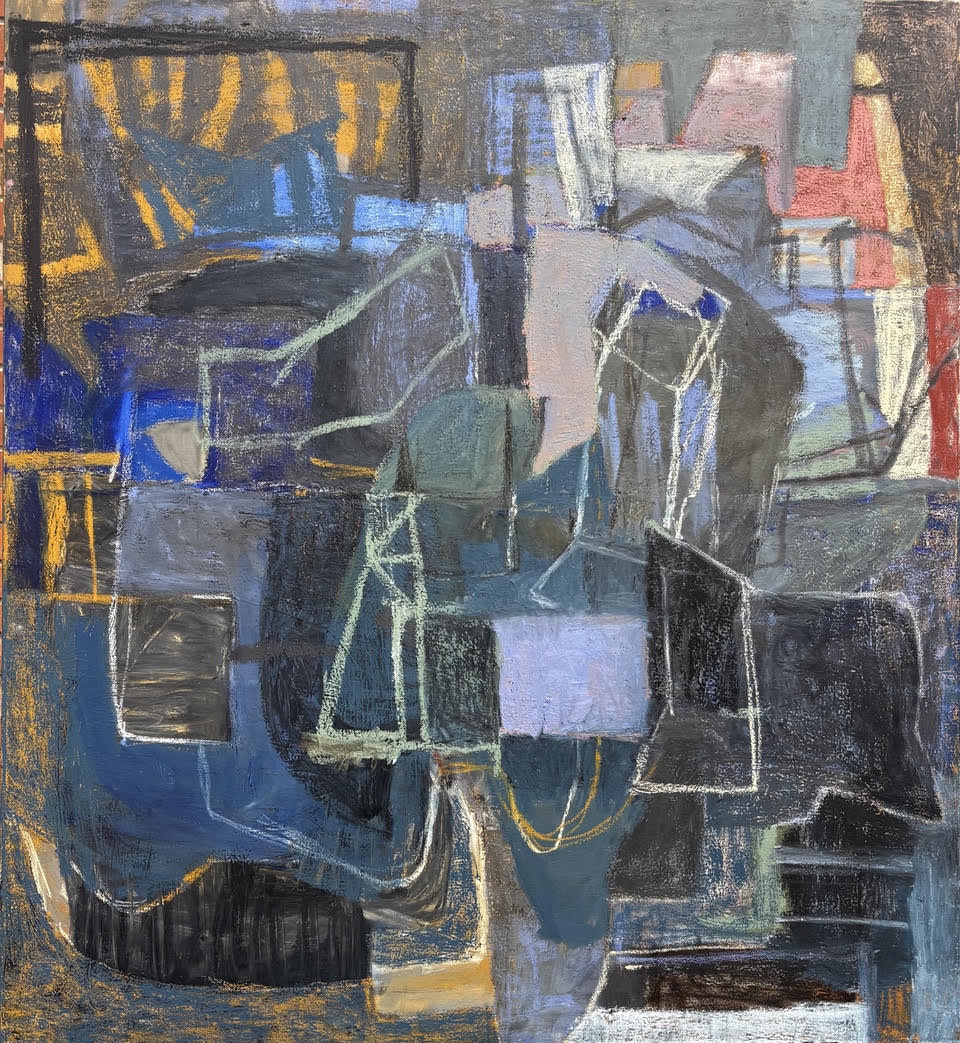
    The surfaces of Kovar’s paintings are truly mesmerizing. Using a combination of roughly blocked shapes and large gestural marks, within a limited pallette, Kovar’s surfaces sing. She sums up her approach as follows:  “I’m drawn to that liminal space—the tension, overlap, and quiet transition between the built and the natural.”

    Janice Kovar, Threshold Blue, 2026, mixed media on cradled board, 30 x 30 inches

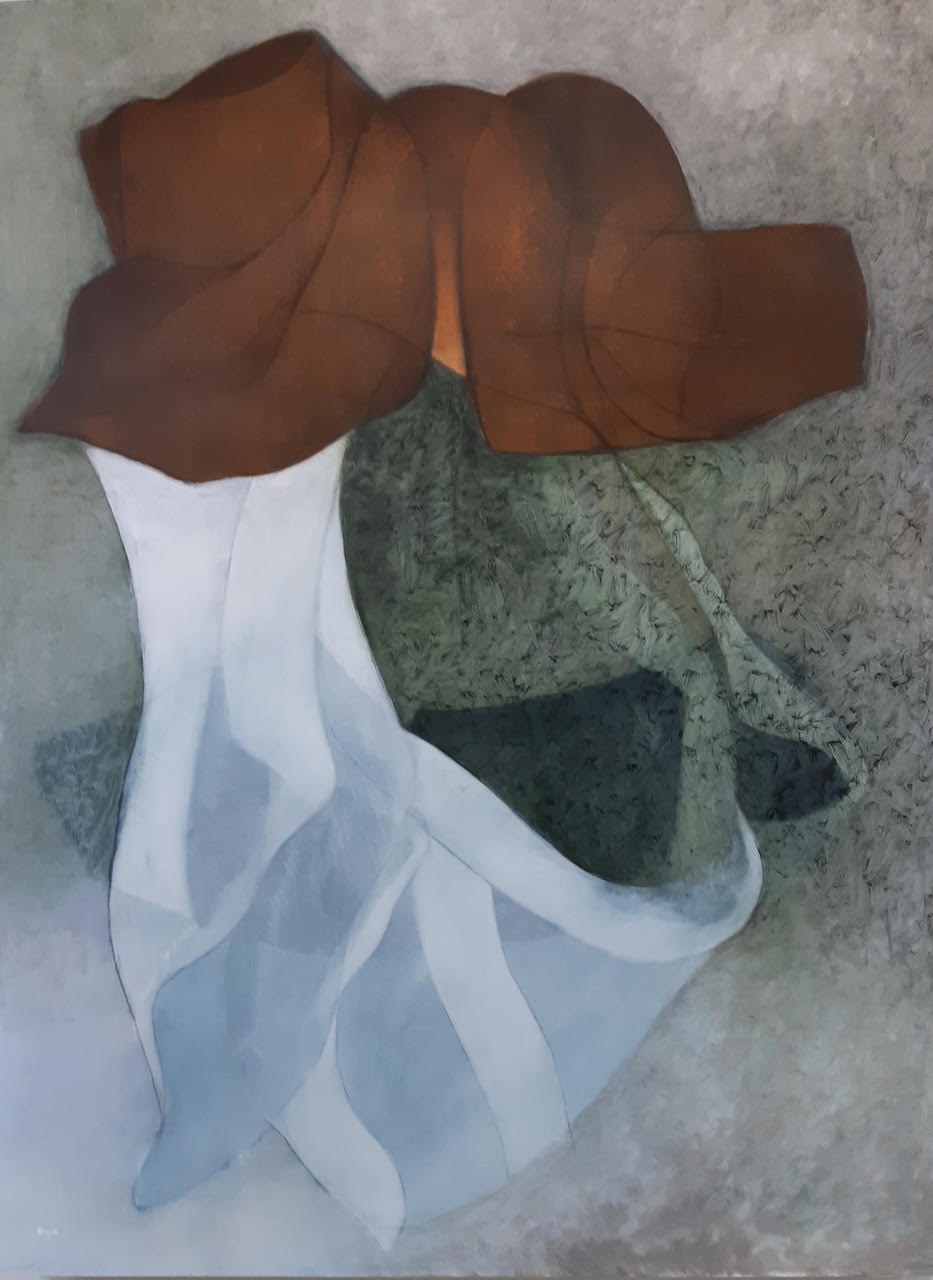
    Finally, Kirkland’s images of organic shapes are not in fact derived from directly observing natural forms, as one might suspect. Rather, they are the result of ‘working the surface’ as he puts it. He layers and erases the paint in turn, sometimes scraping or sanding it. Emerging from this process are his magical ‘biomorphic forms’.

    Peter Kirkland, “Painting 6/26 #1”, 2026, oil on wood, 40 x 30 inches

    All of the painters in this show are modest in their ambition. Their works are neither cutting-edge nor candidates for display in the pavilions of the grand biennales, say. Nonetheless they are serious dedicated artists who have spent very many years immersed in their craft. And it shows. Abstractionism is a difficult genre to master. The competent abstractionist walks on the tightrope of producing compelling work, but always risks falling into the merely decorative. These are all compelling works. This show is a dazzling testament to the fact that the modernist tradition of abstraction is thriving, and has plenty of life in it.

    Installation view of Six Positions in Abstraction at Red Red Gallery. Courtesy of The Red Head Gallery

    Hugh Alcock

    Images are courtesy of the artists.

    *Exhibition information: Six Positions in Abstraction, August 5 – 22, 2026, Red Head Gallery, 401 Richmond  St W, #115, Toronto. Gallery hours: Wed – Sat 12 – 5 pm.